Is It Safe To Travel To Uganda In 2026?
Is It Safe To Travel To Uganda In 2026? Uganda is safe, go and go soon. The country offers some of the most extraordinary natural experiences on earth and has welcomed international visitors for decades with a strong track record in its tourism zones.
But travel planning requires honesty, and mid-2026 is a complicated moment for Uganda. A serious health situation, combined with the usual security considerations that apply to any developing nation, means travelers need to do more than read a headline and book a flight.
This guide gives you the complete, grounded picture across health, security, wildlife zones, logistics, and practical safety, so you can make a decision based on facts rather than either fear or wishful thinking.
The Current Health Situation in 2026
In May 2026, Uganda confirmed cases of Bundibugyo Virus Disease, a type of Ebola hemorrhagic fever. The outbreak originated in Ituri Province in the Democratic Republic of Congo, which shares a border with western Uganda, and spread to Kampala, the Ugandan capital. The World Health Organization declared the outbreak a Public Health Emergency of International Concern on May 17, 2026.
The US State Department upgraded Uganda to a Level 4 ‘Do Not Travel’ advisory as a result, citing the Ebola outbreak alongside existing concerns around crime, terrorism, and civil unrest. The CDC issued a Level 2 Travel Health Notice for Uganda, recommending enhanced precautions. The US, Canada, and Australia all imposed re-entry requirements, including health screening and in some cases mandatory quarantine for travelers returning from Uganda.
Here is what the current situation actually means in practical terms for travelers:
- All confirmed Ugandan cases have been in Kampala. As of late June 2026, the safari zones including Bwindi, Queen Elizabeth, Murchison Falls, Kibale, and Kidepo are geographically remote from affected areas and have not reported cases.
- Uganda’s border with DRC has been temporarily closed, with exceptions only for health response teams, humanitarian aid, cargo, and security personnel under strict health screening.
- Mass gathering restrictions have been issued by the Ugandan Ministry of Health in Kampala and high-risk districts along the DRC border.
- Entebbe International Airport remains operational with enhanced health screening. Major international airlines including Kenya Airways, Ethiopian Airlines, Qatar Airways, KLM, and British Airways continue to operate routes.
- No approved vaccine exists for the Bundibugyo strain of Ebola. Early supportive care is the primary intervention for those who contract it.
- The Ugandan government and Uganda Wildlife Authority have stated that all 10 national parks remain at operational status.
The Uganda gorilla trekking industry already enforces strict health protocols under the Uganda Wildlife Authority’s Conservation Tariff. A mandatory minimum distance from gorilla families is required on every trek, face coverings are standard, boots are disinfected at entry points, and anyone unwell is refused permission to trek. These are not emergency measures introduced for 2026 but the established baseline for every gorilla trekking permit.
What should you actually do with this information? If your trip is several months away, monitor developments closely. The outbreak is being actively managed with international support.
If you have a trip booked in the near term, contact your tour operator and travel insurer immediately to understand your options. If you are considering booking a Uganda trip for late 2026 or early 2027, keep watching the situation, because the picture could change significantly in either direction.
Gorilla Trekking Safety in 2026
Gorilla trekking in Uganda is one of the most extraordinary wildlife experiences available anywhere on earth, and understanding how it works helps put the safety picture in proper context.
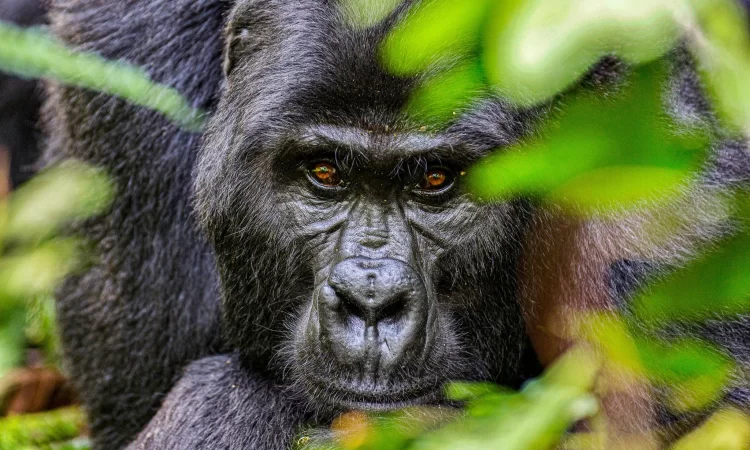
Bwindi Impenetrable National Park in southwestern Uganda is home to nearly half of the world’s remaining mountain gorillas, spread across 19 habituated families in four sectors: Buhoma, Nkuringo, Rushaga, and Ruhija. Mgahinga Gorilla National Park, smaller and quieter, offers access to a single gorilla family against the dramatic backdrop of the Virunga Volcanoes.
Every single gorilla trek operates under a structured safety protocol. You begin with a mandatory briefing from park officials covering rules, expectations, and gorilla behavior. Groups are capped at eight visitors per gorilla family per day, making this among the most exclusive wildlife encounters in the world.
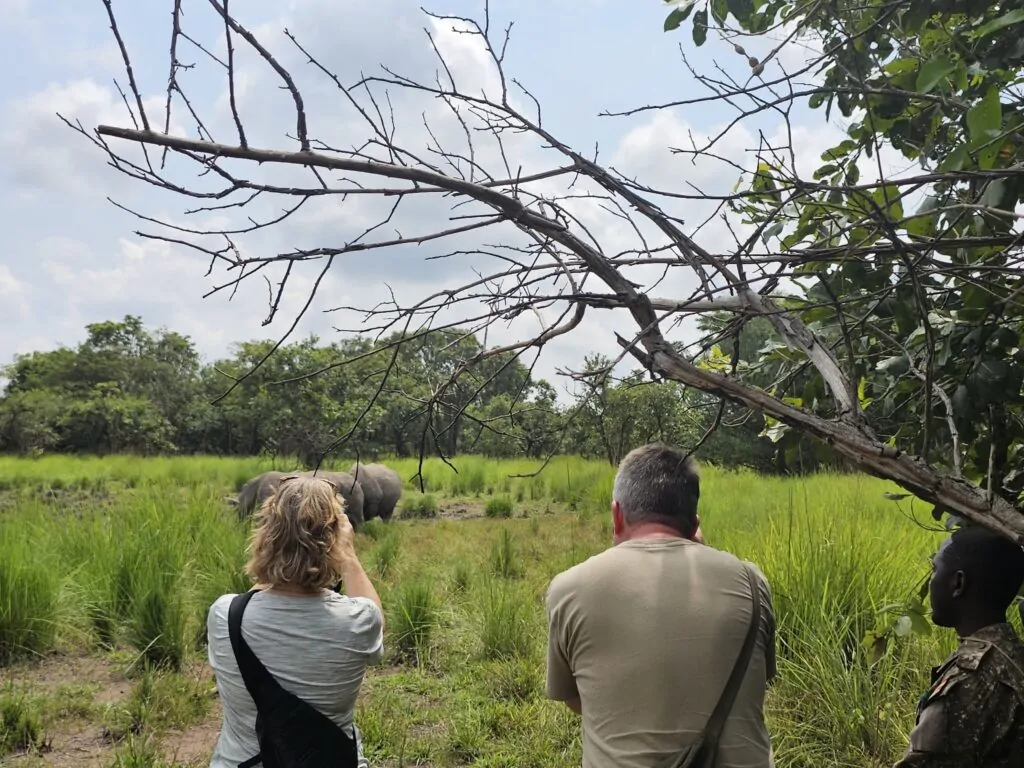
Armed rangers lead from the front and follow from behind throughout the entire trek. Radio-equipped trackers locate the gorilla family ahead of your group’s arrival. You spend exactly one hour with the gorillas at a minimum distance, after which you return to the trailhead.
The physical challenge of the trek is the most common concern for first-timers and it deserves honest attention.
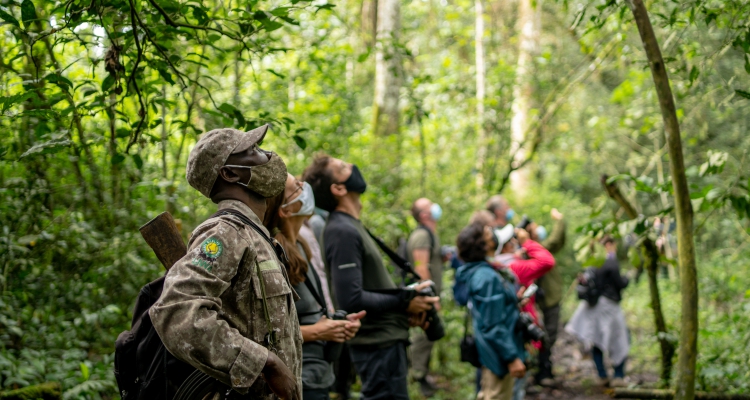
Bwindi lives up to its name: the terrain is steep, root-tangled, often muddy, and dense. Trek duration ranges from one hour to eight hours or more depending on where the gorillas are on that particular day. Hiring a porter is strongly recommended, not as a luxury but as a practical investment. Porters carry your pack, support you on slopes, and can physically assist on the most challenging sections. They cost roughly 15 to 20 USD.
Health Considerations Beyond Ebola
Even in normal circumstances, Uganda requires health preparation. The current Ebola situation adds urgency to health planning, but several other health considerations apply regardless.
Malaria
Malaria is present throughout Uganda and is the most common health risk tourists face. Anti-malarial medication is essential: consult a travel health clinic or your doctor at least four to six weeks before departure to discuss the appropriate prophylaxis for your itinerary. Long-sleeved clothing, insect repellent with DEET, and sleeping under treated nets all reduce your exposure. The safari lodges and camps that make up the standard tourist circuit are generally well equipped with mosquito prevention measures.
Yellow Fever
Yellow fever vaccination is required for entry into Uganda for most travelers. You will need to present your yellow fever certificate on arrival. If you do not have a certificate, you may be vaccinated at the port of entry, but this is not a situation you want to find yourself in. Get vaccinated well in advance.
Water and Food Safety
Drink bottled or purified water throughout Uganda. Do not drink tap water or use ice in drinks unless you are certain it has been treated. Eat food that is freshly cooked and served hot. Lodge and camp dining across the safari circuit is generally safe and well managed. Street food in Kampala requires more caution. Be conservative with raw vegetables and unpeeled fruit from markets.
Schistosomiasis
This parasitic infection is found in Uganda’s freshwater lakes and rivers, including Lake Victoria. Avoid swimming in any natural freshwater. The swimming pools at lodges and hotels are safe. This is a firm rule rather than a suggestion: freshwater swimming in Uganda should simply be removed from your itinerary.
Medical Facilities
Medical facilities in Kampala and Entebbe are adequate for most situations. International clinics in Kampala can handle the needs most tourists encounter. Outside the capital, medical capacity drops significantly. Serious medical emergencies in remote safari areas require evacuation, potentially to Nairobi. Flying Doctor services cover most of the country. This is why comprehensive travel insurance including medical evacuation cover is non-negotiable for any Uganda trip.
Transportation Safety
Road safety is one of the more underappreciated risks for Uganda travelers and deserves specific attention. Traffic accidents are among the most common ways tourists get injured in Uganda.
Roads and Driving
Highways connecting major towns and cities are paved and generally well maintained. Rural roads and park tracks vary considerably, from reasonable gravel to challenging seasonal conditions. Night driving is genuinely dangerous: poor street lighting, pedestrians on roads, livestock wandering after dark, and motorcycle traffic all create hazards. The standard advice from experienced operators and the CDC is straightforward: do not drive at night. Plan your itinerary so that all transfers happen during daylight hours.
Reputable tour operators use well-maintained four wheel drive vehicles with experienced drivers who know the routes. If you are arranging your own transport, inspect the vehicle before departure, confirm the driver’s experience with the specific route, and always wear a seatbelt.
Boda Bodas
Boda bodas are the motorcycle taxis ubiquitous throughout Ugandan towns and cities. They are cheap, convenient, and statistically among the most dangerous forms of transport in the country. US Embassy employees and their families are prohibited from using boda bodas due to accident and crime risks. Tourists should follow the same guidance: avoid them. Use registered taxis, Uber, or SafeBoda instead.
Minibus Taxis
Public minibus taxis (locally called taxis despite not operating on the same model as Western taxis) and long-distance buses should be avoided for the same reasons: they are frequently overcrowded, often poorly maintained, and drivers regularly travel at unsafe speeds. For inter-city travel, arrange private transfers through your tour operator or a reputable car hire company.
Safety Tips for Specific Traveler Groups
Solo Female Travelers
Uganda is generally manageable for solo female travelers with appropriate precautions. Verbal harassment can occur, particularly in urban areas and markets. Women traveling alone should avoid isolated areas, walk confidently, and dress modestly especially in more conservative communities.
In the national parks and on organized safaris, solo female travelers consistently report feeling safe and well looked after. It is worth choosing lodges and guides based on reviews that specifically mention the experience of solo female guests.
LGBTQ+ Travelers
Uganda has some of the most restrictive laws relating to same-sex relationships in the world. The Anti-Homosexuality Act signed into law in 2023 created serious legal risks. Public displays of affection between same-sex couples are inadvisable.
LGBTQ+ travelers should research the current legal situation carefully and assess their personal comfort level with the existing environment before making travel decisions.
Families with Children
Uganda can work well for families with older children, roughly 15 and above, who meet the minimum age requirement for gorilla trekking. The parks are child-friendly in the sense that wildlife viewing is accessible and lodges are generally welcoming.
The physical demands of gorilla trekking and the general infrastructure considerations mean it is less well suited to very young children than more developed safari destinations like Kenya.