
Guide to Open Park Days in Uganda
For three days each September, the gate fee that normally stands between you and Uganda’s national parks disappears. Uganda’s Open Park Days, run by the Uganda Wildlife Authority (UWA) and timed to lead into World Tourism Day, waive standard park entrance charges at a curated selection of the country’s best-known protected areas. It’s an opportunity to visit Murchison Falls, Queen Elizabeth, Kidepo Valley, and other savannah parks at a meaningfully lower cost than a standard visit, provided you understand exactly what the waiver covers and what it doesn’t.
This guide works through the confirmed 2026 dates, which parks are included, what’s actually free versus what you’ll still pay for, and how to plan a visit that doesn’t get derailed by the crowds and booking pressure this kind of promotion reliably attracts.
Is Open Park Days Worth Planning a Trip Around?
For domestic travelers and Ugandan residents, the honest answer is yes. Removing the entrance fee at parks like Murchison Falls National Park or Queen Elizabeth is a real, meaningful saving, and pairing it with a long weekend makes for an accessible short safari that would otherwise carry a higher upfront cost.
For international visitors already planning a September 2026 trip to Uganda, timing your park visits to fall within this window is worth consideration too, though it comes with one important caveat covered in detail below: not every source describing this year’s program agrees on whether foreign tourists qualify for the waiver in the same way citizens and residents do.
Where Open Park Days isn’t worth restructuring a trip around: if your priority is gorilla or chimpanzee trekking. Primate-focused parks operate under a strict daily permit cap regardless of any promotional waiver, and as covered further down, they sit outside this specific program entirely.
What Open Park Days Actually Is
Open Park Days is an annual initiative organized by the Uganda Wildlife Authority specifically to boost domestic tourism, raise conservation awareness, and give Ugandans, alongside eligible visitors, low-barrier reason to experience the country’s protected areas. The program has run in previous years too, though the specific participating parks and exact terms are announced fresh each time rather than following a fixed, unchanging format.
For 2026, the announcement came from Susan Nsambu Nakawuki, State Minister for Tourism, during a visit to Murchison Falls National Park and Ajai Wildlife Reserve organized by UWA. Her framing was inclusive: “September 25, 26, and 27, we are opening up all game parks in the country. Come have fun. It will be free entry for everyone. Just come with some change to eat some fish.”
Confirmed Dates: September 25-27, 2026
Every source reporting on this year’s program agrees on the dates: Open Park Days 2026 runs from Friday, September 25, through Sunday, September 27, timed deliberately to lead directly into Uganda’s national World Tourism Day celebrations on September 27 itself. This three-day window is fixed and consistently reported, unlike some of the other program details covered below.
Which Parks Are Included
This is where reporting on the 2026 program diverges, and it’s worth understanding the discrepancy honestly rather than assuming a single, universally agreed list exists. Some early coverage described the waiver as applying to “all game parks in the country” without qualification. More detailed reporting closer to the rollout, however, consistently narrows this to a specific, curated selection built around Uganda’s savannah destinations rather than every protected area nationwide.
The most consistently repeated list across multiple sources names Murchison Falls National Park, Queen Elizabeth National Park, Lake Mburo National Park, and Kidepo Valley National Park as the core participating national parks, with Pian Upe Wildlife Reserve also confirmed across several reports. Additional reserves mentioned in some, though not all, coverage include Ajai Wildlife Reserve, Katonga Wildlife Reserve, and Toro-Semuliki Wildlife Reserve.
Important Exclusion: Primate Parks
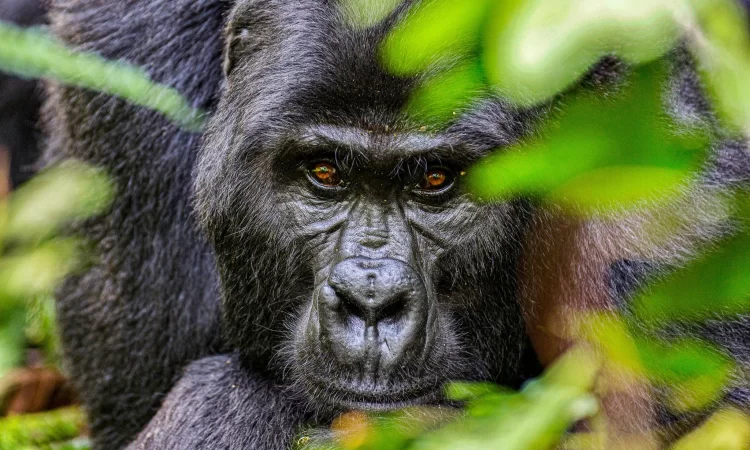
Multiple sources are explicit and consistent on one point: Uganda’s primate-focused parks, Bwindi Impenetrable National Park, Mgahinga Gorilla National Park, and Kibale National Park, are excluded from the free-entry waiver. This makes sense given how these parks operate: gorilla and chimpanzee trekking run on a strict, capped daily permit system specifically to protect the animals from overcrowding and disease transmission, a structure that simply isn’t compatible with a promotional, unlimited free-entry model.
If gorilla or chimpanzee trekking features anywhere in your itinerary, plan and budget for it entirely separately from Open Park Days. The standard $800 Uganda gorilla trekking permit (or $600 during the low season months of April, May, and November) and Kibale’s $250 chimpanzee permit remain in effect regardless of the September waiver happening at other parks in the same week.
What is Free, and What Isn’t?
The core waiver covers standard park entrance fees and the gate charge that normally applies per person for foreign non-residents, foreign residents, and East African citizens alike. Some reporting suggests the waiver extends further, covering vehicle entrance fees and even certain guided activities like game drives, guiding services, and access to specific attractions such as the Top of the Falls viewpoint at Murchison Falls.
This broader scope isn’t confirmed with the same consistency as the basic gate-fee waiver itself, so it’s worth treating as a possibility rather than a guarantee.
What remains firmly, consistently excluded across every source: accommodation, transport and fuel, meals, and specialised paid activities, including boat cruises on the Kazinga Channel or Nile, and ranger-guided walking safaris. In other words, Open Park Days removes the barrier to entry itself, not the cost of the broader trip surrounding that entry.
Who Actually Qualifies: A Discrepancy Worth Flagging
Most official framing of the 2026 program, including the minister’s own quoted statement, describes the offer as open to everyone: Ugandan citizens, foreign residents of Uganda, and international visitors alike, with no stated exception for nationality. This is the version repeated across the majority of current reporting.
However, at least one travel-industry source describes the promotion differently, framing it as available specifically to Ugandan citizens and foreign residents in Uganda, with international tourists paying standard fees regardless of the promotional dates. Given this mismatch between sources, anyone planning international travel specifically around Open Park Days should confirm eligibility directly with UWA or through a licensed tour operator before assuming free entry will apply to a foreign passport holder without local residency.
Why UWA Runs This Program
The stated goals behind Open Park Days are straightforward: increasing domestic tourism participation, raising public awareness of conservation, encouraging families, schools, and youth groups specifically to visit protected areas they might not otherwise prioritize, and building broader national pride in Uganda’s wildlife heritage.
There’s also an economic angle tourism officials have been candid about: demonstrating that Uganda’s parks are open, safe, and worth visiting, while giving the tourism sector and the conservation funding it directly supports a lift after what’s been described as a difficult recent stretch for the industry.
What to Expect at Each Featured Park
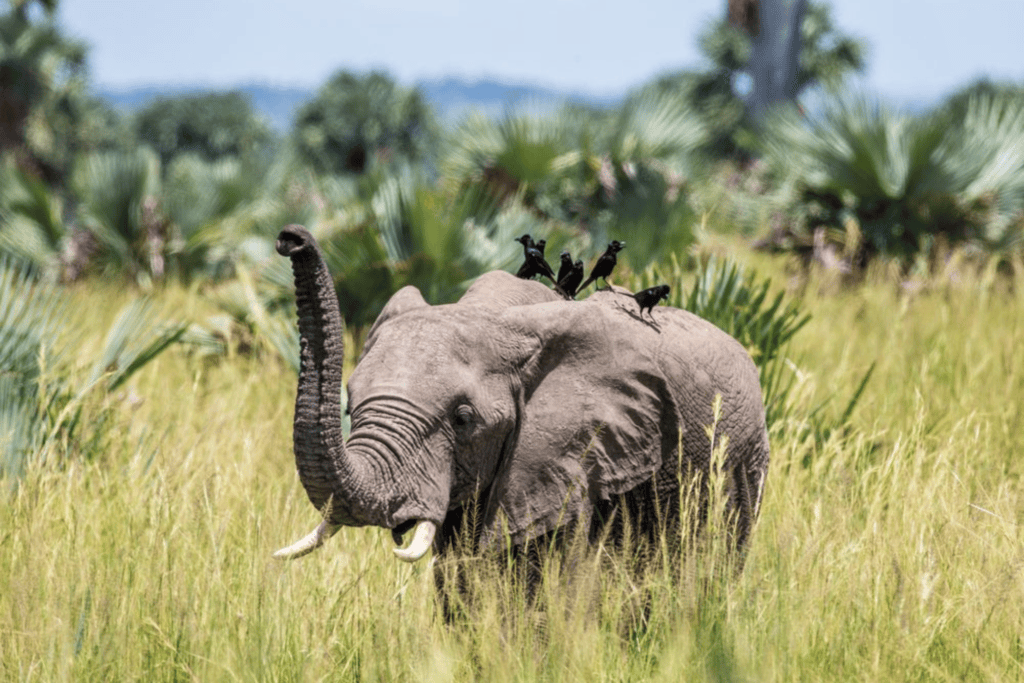
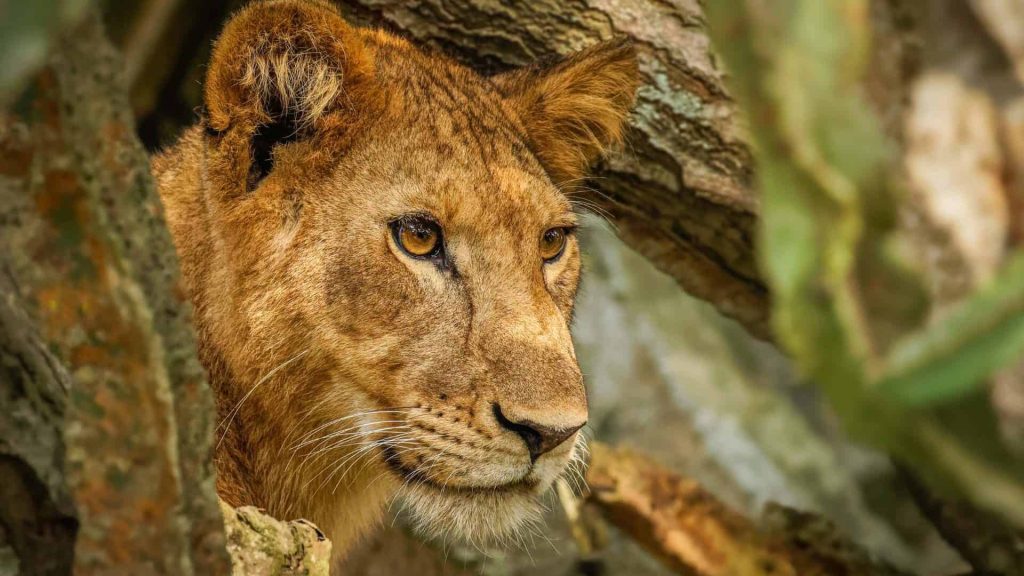
Murchison Falls National Park, Uganda’s largest, centers on the point where the Nile forces its way through a gorge just a few meters wide before plunging into the gorge below, and Open Park Days visitors should expect access to the Top of the Falls viewpoint alongside standard game viewing across the park’s savannah plains. Queen Elizabeth National Park, the country’s most visited safari destination at nearly 2,000 square kilometers, shelters over 95 recorded mammal species and remains famous specifically for its tree-climbing lions.
Lake Mburo National Park, considerably more compact and close enough to Kampala for a short trip, offers zebra, impala, and eland across gentler, more accessible terrain than Uganda’s larger parks. Kidepo Valley National Park, in the country’s remote northeast, delivers wilderness solitude given how few visitors reach it in a typical year, making a free-entry window here a particularly compelling incentive for travelers who’ve been curious about Uganda’s least-visited major park but hesitant given the distance involved.
Planning Around the Crowds
The one predictable consequence of a free-entry promotion is higher-than-normal demand at exactly the same time, and thousands of domestic travellers are expected to take to the road during this specific three-day window.
This means the parts of the trip that aren’t free, accommodation and vehicle hire specifically, become the bottleneck, and booking these well in advance rather than assuming last-minute availability matters considerably more here than for an ordinary visit outside the promotional period.
For international visitors specifically, this crowding also means the classic, quiet safari experience some travelers specifically seek out may be harder to find during these exact three days, since domestic visitor numbers will run well above typical levels at the featured parks. Travellers prioritizing a quieter, less crowded visit might reasonably choose to visit just before or after the Open Park Days window while still benefiting from any general September travel planning, without competing directly for accommodation and vehicles during the peak promotional dates.
A Practical Checklist Before You Go
- Confirm the current, final list of participating parks and reserves directly with UWA close to your travel date, since reporting on this detail has varied.
- If travelling internationally, verify whether the free-entry waiver applies to foreign tourists specifically or only to citizens and residents, given the discrepancy across current sources.
- Book accommodation and vehicle hire well in advance, ideally several weeks ahead, given the high domestic demand this promotion consistently generates.
- Budget separately for anything beyond the gate fee itself: fuel, meals, boat cruises, guided walks, and any activity not explicitly confirmed as part of the waiver.
- If gorilla or chimpanzee trekking is part of your plan, book and pay for that permit entirely separately, since Bwindi, Mgahinga, and Kibale sit outside this specific program.
- Carry some cash for food and incidentals at the gate and within the park itself, exactly the kind of practical advice the tourism minister herself offered when announcing the initiative.
Who Should Prioritize This Window
Ugandan citizens and residents considering a first visit to a major national park, families wanting an affordable introduction to the country’s wildlife, and students or youth groups are all well-suited to timing a visit around Open Park Days, given the program’s explicit domestic-tourism focus. International visitors already committed to a September 2026 Uganda trip should treat the potential fee waiver as a welcome bonus worth confirming rather than the central reason to choose these specific travel dates, particularly given the unresolved eligibility question and the likelihood of heavier-than-usual crowds.
What Open Park Days Fit Into a Wider September Itinerary
September sits within Uganda’s dry season, running roughly June through September, meaning visitors timing a trip around Open Park Days also benefit from some of the year’s firmest game-drive conditions and most reliable wildlife concentrations around remaining water sources.
This overlap is a practical bonus beyond the fee waiver itself, since late September consistently ranks among the stronger windows for savannah game viewing regardless of any promotional pricing.
For travelers building a longer trip around this specific window, a sensible structure might open with two to three days at Murchison Falls or Queen Elizabeth to take advantage of the confirmed waiver before continuing on to a primate-focused park like Bwindi or Kibale for gorilla or chimpanzee trekking booked and paid for separately. This sequencing lets a single trip capture both the cost savings of Open Park Days and the country’s headline primate experiences, without either activity compromising the other.
A Note on Verifying Information Before You Travel
Given how much of this year’s Open Park Days coverage varies between sources, the participating parks list, the exact scope of what’s waived, and the eligibility question for international visitors among them, the single most useful step any traveler can take is confirming details directly with the Uganda Wildlife Authority’s official channels or through a licensed local tour operator with current, verified information in the days immediately before travelling.
Government tourism promotions of this kind are valuable, but they also tend to firm up in exact detail only as the dates themselves approach, making early, generic reporting a reasonable starting point rather than a final word.
Frequently Asked Questions
When exactly are Uganda’s Open Park Days in 2026?
September 25 through 27, 2026, timed to lead into Uganda’s national World Tourism Day celebrations on September 27.
Which national parks are included in the 2026 free-entry waiver?
The most consistently confirmed parks are Murchison Falls, Queen Elizabeth, Lake Mburo National Park and Kidepo Valley, alongside Pian Upe Wildlife Reserve, with some sources also naming Ajai, Katonga, and Toro-Semuliki reserves. Confirm the final list directly with UWA before travelling.
Can international tourists get free entry during Open Park Days?
Most official reporting says yes, with no stated exception for nationality, but at least one source describes the offer as limited to citizens and Ugandan residents. Given this discrepancy, foreign visitors should confirm eligibility directly with UWA before assuming free entry applies to them.
Do Open Park Days include gorilla trekking permits?
No. Bwindi Impenetrable, Mgahinga Gorilla, and Kibale National Parks are excluded from the waiver, and standard gorilla ($800) and chimpanzee trekking permits remain fully payable regardless of the September promotion happening elsewhere.
What costs still apply during Open Park Days even with free entry?
Accommodation, transport and fuel, meals, and specialized paid activities like boat cruises or ranger-guided walking safaris are not covered by the waiver; only the standard park entrance fee itself is confirmed as free.