How Hard Is Gorilla Trekking in Uganda, Rwanda and DR Congo?
Every gorilla trekking guide online says some version of “moderate fitness required,” which is technically true and almost completely unhelpful, because it does not tell you whether you personally, at your current fitness level, age, or with your particular knee, will actually manage it.
We get asked this question more than almost any other, usually from guests in their fifties, sixties, and seventies who want to do this trip but are worried about being the person who holds up the group or has to turn back.
This guide gives a straight answer: what the terrain actually involves in each country, how trek difficulty is decided on the day, what support is available if you struggle, and how to honestly assess whether you are ready for it before you book.
Should You Attempt Gorilla Trekking If You Are Not Very Fit?
Short answer: yes, in most cases, because trek difficulty is far more variable and far more manageable with support than most first-time trekkers assume, but you need to be honest with your operator about your fitness level beforehand rather than after you are struggling on the trail.
The single biggest factor in whether a moderately fit person has a good or a miserable trekking day is not their fitness level in isolation, it is whether their guide knew in advance to plan accordingly.
Rangers can request an easier-access gorilla family assignment, arrange extra porters, set a slower pace, and build in more rest stops, but only if they know beforehand that this is needed. Guests who overstate their fitness out of pride or embarrassment, and then struggle silently on the trail, have a far harder day than guests who simply say upfront, “I am reasonably fit but not a hiker, please plan accordingly.”
Why Difficulty Varies So Much From One Trek to Another
Unlike a fixed hiking trail with a known distance and elevation profile, gorilla trekking difficulty is decided fresh each morning based on where the assigned family group is currently located, which trackers determine by following the group’s overnight movement before your trek even begins.
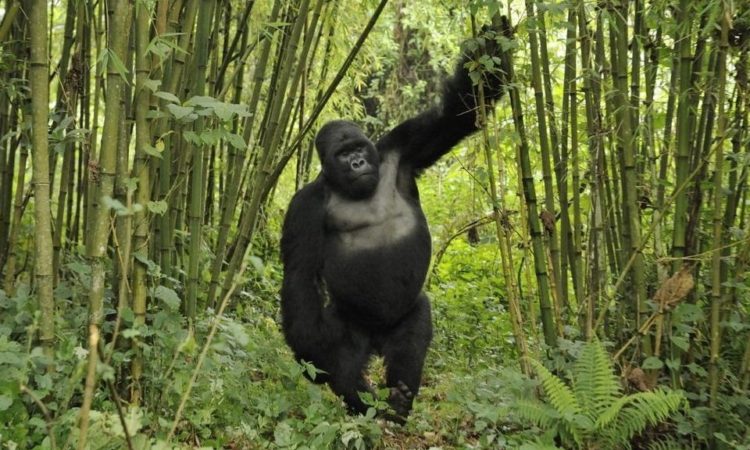
This is the central fact that makes blanket difficulty ratings almost meaningless: the same person, on the same trek route, could have a ninety-minute walk one day and a six-hour trek the next, depending entirely on gorilla movement that no one controls.
Practical implication: you cannot choose your exact trek difficulty in advance, but you can influence the odds by choosing a park and sector with a generally easier reputation, and by communicating your fitness level clearly so rangers can request an appropriately accessible family if one is available.
Comparing Difficulty Across the Three Countries
| Country | General Terrain | Typical Trek Duration | Altitude |
| Uganda (Bwindi) | Dense, steep rainforest, often muddy and slippery underfoot | 1 to 8 hours round trip | 1,160 to 2,600 metres |
| Rwanda (Volcanoes National Park) | Volcanic slopes, bamboo forest, generally firmer ground | 1 to 6 hours round trip | 2,400 to 3,700 metres |
| DR Congo (Virunga) | Volcanic slopes similar to Rwanda, some steeper sections | 1 to 5 hours round trip | 1,900 to 3,000 metres |
Bwindi’s name, which translates roughly to “impenetrable,” is not marketing language. Its terrain is generally considered the most physically demanding of the three countries because of dense understory vegetation, frequent mud, and steep, uneven slopes that require constant careful footing rather than a steady walking rhythm. Rwanda and DR Congo’s volcanic slopes are steep in places but tend to offer firmer, more predictable footing, which is part of why some guests with knee or balance concerns are steered toward Rwanda over Uganda when the choice is available.
What Actually Makes a Trek Difficult
It helps to break “difficulty” down into its actual components rather than treating it as one vague concept, because different people struggle with different specific elements.
- Altitude: Rwanda and DR Congo’s trekking areas sit considerably higher than Bwindi’s, and travellers arriving directly from sea level without any acclimatisation may notice breathlessness more than they would in Uganda.
- Mud and slippery footing: this is Bwindi’s defining challenge, particularly in and immediately after rainy periods, and affects balance-conscious trekkers more than pure cardiovascular fitness.
- Steep gradient: all three countries have sections of genuinely steep ascent and descent, which is harder on descent for people with knee sensitivity than on the way up.
- Duration uncertainty: not knowing whether you are thirty minutes or four hours from the gorilla family is a psychological difficulty as much as a physical one, and can be more draining for anxious trekkers than the walking itself.
- Heat and humidity: particularly in Bwindi’s lower-altitude sectors, which can be genuinely warm and humid even on a moderate walking day.
When Trekking Is Easier or Harder
Season affects difficulty meaningfully, and this is worth factoring into your planning if you have specific fitness concerns.
| Season | Effect on Difficulty | Recommendation |
| Dry season (June to September, December to February) | Firmer trails, less mud, generally easier footing | Best choice for less experienced hikers or those with joint concerns |
| Wet season (March to May, October to November) | Muddier, more slippery trails, particularly in Bwindi | Manageable but noticeably harder underfoot; bring proper gaiters and waterproof boots |
What Support Is Available If You Struggle
This is the part most guests do not know about until they are already on the trek, and it changes the calculation considerably for anyone worried about their fitness.
- Porters: local community members hired for a modest daily fee who carry your daypack and, importantly, physically assist you over difficult sections, offering a hand, an arm, or steadying support on slippery terrain.
- Sedan chairs: available in some sectors of Bwindi and occasionally elsewhere, a stretcher-style chair carried by a team of porters for guests who cannot walk the full distance, used more often than most people expect, including by guests with mobility limitations who still wanted to complete the trek.
- Flexible pacing: rangers are experienced at adjusting group pace and building in rest stops once they know a guest needs them, rather than sticking to a rigid schedule.
- Walking poles: often provided or available for hire at the trailhead, and genuinely useful for both ascent and descent stability.
How Fit Do You Actually Need to Be
A reasonable benchmark: if you can comfortably walk for sixty to ninety minutes on uneven ground, including some incline, without needing an extended rest, you have enough baseline fitness to attempt gorilla trekking safely and reasonably comfortably, provided you use a porter and pace yourself sensibly.
You do not need to be a regular hiker, a runner, or particularly young. We have arranged successful treks for guests well into their seventies, and for guests with previous knee replacements, when they were upfront about their limitations and used the support available.
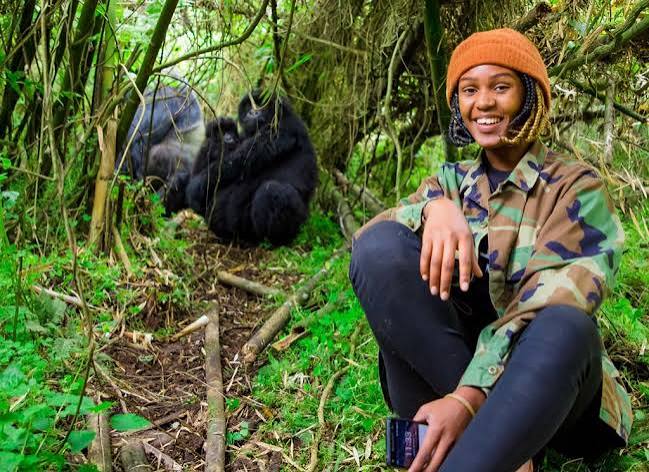
The trekking countries do enforce a minimum age of 15, largely due to disease-transmission concerns around young children rather than physical difficulty alone, but there is no upper age limit, and fitness rather than age is the relevant factor for older travellers.
Difficulty by Bwindi Sector
Uganda’s Bwindi Impenetrable Forest is split into four trekking sectors, and while gorilla movement still determines the actual day-of difficulty, each sector has a general reputation worth knowing when choosing where to base your trek.
| Sector | General Reputation | Notes |
| Buhoma | Most established, generally considered moderate | Good road access, widest lodge choice, popular with first-time trekkers |
| Ruhija | Moderate to challenging, higher altitude sector | Cooler temperatures, less crowded than Buhoma |
| Rushaga | Variable, hosts the most habituated families | Offers the gorilla habituation experience option alongside standard treks |
| Nkuringo | Generally considered the most physically demanding | Steep terrain immediately from the trailhead, better suited to fitter trekkers |
A Simple Training Plan Before You Go
You do not need months of dedicated training, but a few weeks of targeted preparation makes a genuine difference to how the trek feels, particularly for guests who do not hike regularly.
- Four to six weeks out: build up to walking 45 to 60 minutes several times a week, including at least one route with genuine incline, a hill, stairs, or a stadium ramp.
- Two to three weeks out: add a weighted daypack to your training walks, similar to what you will carry on the actual trek, to condition your shoulders and back.
- One week out: taper down to lighter activity, allowing your body to arrive rested rather than fatigued from last-minute intense training.
- On arrival: use your first day or two in-country for gentle activity only, allowing time for jet lag recovery and, in Rwanda or DR Congo, initial altitude adjustment before the trek itself.
Which Traveller Profile Fits Which Country
| Traveller Profile | Best Fit | Reasoning |
| Generally fit, no major joint concerns | Any country | Terrain differences matter less when baseline fitness is solid |
| Knee or balance concerns, altitude tolerant | Rwanda or DR Congo | Firmer volcanic terrain reduces slipping risk versus Bwindi’s mud |
| Altitude-sensitive, no joint concerns | Uganda (Bwindi) | Lower elevation range reduces altitude-related breathlessness |
| Older travellers wanting the most support infrastructure | Uganda (Bwindi national park) | Widest availability of sedan chairs and porter networks given higher visitor volume |
| First-time trekker wanting the gentlest likely start | Buhoma or Ruhija sector, Uganda | Generally gentler trailhead gradient than Nkuringo or some Rwandan routes |
Planning Advice for Managing Difficulty
- Tell your operator your honest fitness level when booking, not on arrival. This changes which family group rangers may try to assign you, where possible.
- Do some incline walking training in the weeks before your trip. Even a few weekly walks on hilly terrain or a stair machine meaningfully improve trek comfort compared with no preparation at all.
- Hire a porter regardless of fitness level. This is the single most impactful decision for making the trek more manageable.
- Choose Rwanda over Uganda if firmer footing matters more to you than cost. The volcanic slopes generally offer steadier ground than Bwindi’s dense, often muddy forest floor.
- Consider requesting an easier-access family if this option is available in your chosen sector. Some sectors and specific families are known to have historically required shorter average trek times, though this is never guaranteed for any given day.
- Acclimatise for a day if trekking in Rwanda or DR Congo. The higher altitude can affect people who have not had a day to adjust, particularly if arriving directly from a lower-altitude location.
Frequently Asked Questions
Is gorilla trekking harder than a normal hike?
It is genuinely more unpredictable than a standard marked hiking trail because duration and terrain difficulty are not known in advance, but the walking pace itself is generally moderate and adjusted to the group’s ability.
What happens if I cannot continue partway through the trek?
Rangers will assess the situation and can arrange a sedan chair, additional porter support, or in some cases have you wait at a safe point while the rest of the group continues, followed by a shortened viewing opportunity if the family is nearby. Communicate honestly with your guide the moment you feel you are struggling, rather than pushing through silently.
Do I need hiking experience before attempting this?
No prior hiking experience is required, though general baseline fitness from regular walking helps considerably. Guests with zero hiking background complete treks successfully every season, particularly with a porter’s support.
Is Rwanda easier than Uganda for trekking?
Generally, Rwanda’s terrain offers firmer, more predictable footing than Bwindi’s dense, often muddy forest, though Rwanda’s higher altitude introduces its own challenge. Neither country is uniformly “easier,” and difficulty still depends heavily on where the assigned family is located on the day.
Can I request a shorter trek in advance?
You can request an easier-access family assignment, and rangers will try to accommodate this where possible, but the final assignment depends on which families are available on your trekking date and where they were last located, so a guarantee is never possible.
Will altitude sickness be a problem in Rwanda or DR Congo?
Mild symptoms, headache or breathlessness, are possible given the elevation, but serious altitude sickness is uncommon at these heights compared with much higher mountain trekking. Staying hydrated, avoiding alcohol the night before, and allowing a rest day on arrival all help reduce the risk.
Are there age restrictions I should know about besides the minimum age?
There is no upper age limit for gorilla trekking, and operators regularly arrange successful treks for guests in their seventies and beyond, provided general health and mobility allow for a supported walk with porter assistance.
Making a Realistic Assessment
Gorilla trekking difficulty is genuinely variable, genuinely manageable for most reasonably healthy adults with the right support, and genuinely worth being honest about with your operator rather than worrying about privately. The support systems, porters, sedan chairs, flexible pacing, exist precisely because park authorities want this experience to remain accessible to as wide a range of travellers as possible, not just experienced hikers.