Rwanda Travel Guide for First-Time Visitors
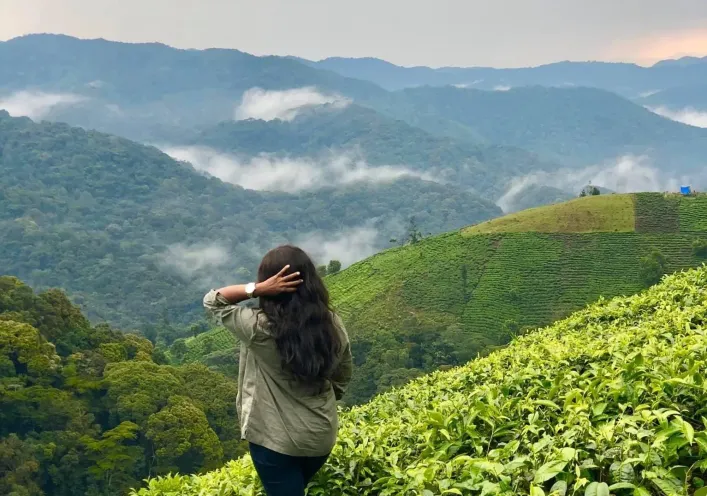
Rwanda tends to arrive on a traveller’s radar for one specific reason, gorilla trekking, and then quietly exceeds expectations on almost everything else. It is compact enough to see properly in a week, cleaner and better organized than its reputation as a ‘developing country’ destination might suggest, and increasingly positioned as one of Africa’s more premium, low-volume safari destinations rather than a simple add-on to a Kenya or Tanzania trip.
For a first-time visitor, that combination of a single unmissable headline experience and an easy, well-run country around it makes Rwanda one of the more reassuring places in Africa to plan a first big trip to.
Should Rwanda Be Your First African Trip?
Rwanda works particularly well as a first trip if gorilla trekking is the experience drawing you to Africa in the first place, since no other country pairs the encounter with such smooth logistics: paved roads to the trailheads, short domestic distances, and a genuinely safe, orderly capital in Kigali to start and end the trip.
It is a less natural fit if your main goal is classic Big Five game viewing across open plains, since Rwanda’s parks, while good, do not match the sheer volume and density of wildlife found in Kenya, Tanzania or South Africa. Many first-time visitors solve this by pairing Rwanda with a few days in Kenya or Tanzania, but Rwanda stands on its own perfectly well for travellers whose priority is the primates.
Why Rwanda Has Become an African Travel Favourite
Rwanda’s tourism strategy has deliberately avoided competing on volume. Instead of trying to match the visitor numbers of East Africa’s bigger safari destinations, the country has positioned itself around high-value, low-impact travel, capping gorilla trekking permits at a strict daily number and investing tourism revenue directly into conservation and surrounding communities.
The result, for a visitor, is a country that feels considerably less crowded than its neighbours at almost every major site, alongside genuinely impressive infrastructure: Kigali is one of Africa’s cleanest and safest capital cities, plastic bags have been banned nationwide for over a decade, and roads between the major tourist areas are in noticeably better condition than in much of the region.
Where to Go:
Kigali
Most itineraries begin and end in Kigali, and it is worth allocating at least a half day here rather than treating it purely as a transit point. The Kigali Genocide Memorial is a sobering, essential visit that provides context for modern Rwanda that most first-time visitors find genuinely changes how they see the rest of the trip.
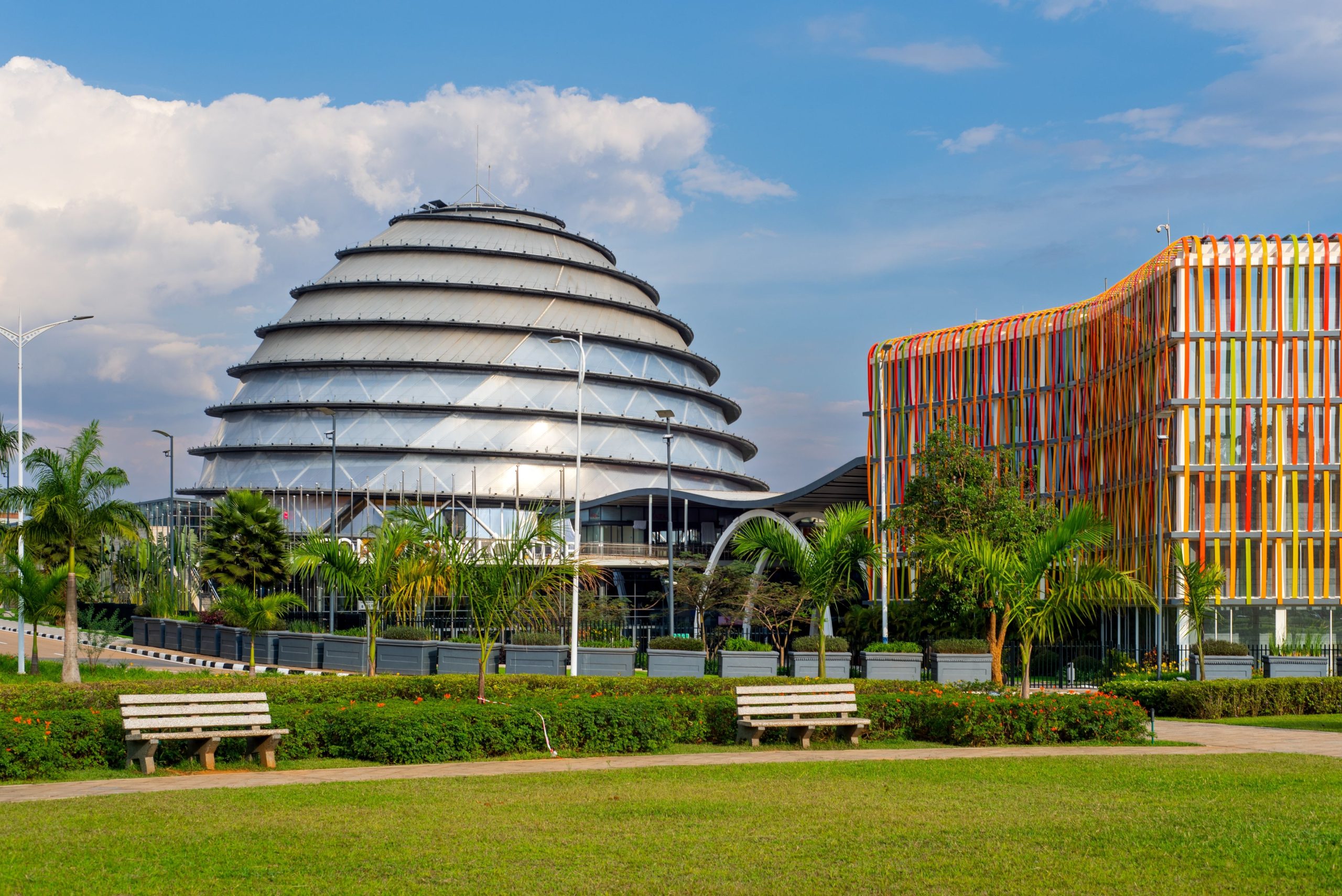
Beyond that, Kigali’s restaurant scene, craft markets and hillside neighborhoods reward a little extra time, and the city’s safety and walkability make it an easy place to explore independently.
Volcanoes National Park
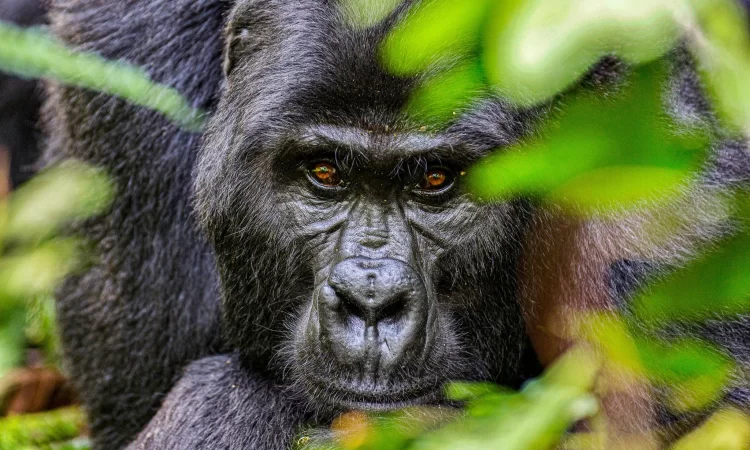
This is Rwanda’s headline destination, home to mountain gorilla trekking across the forested slopes of the Virunga volcanoes, a mountain range shared with Uganda and the Democratic Republic of Congo.
Treks vary considerably in length and difficulty depending on where a given gorilla family is located that day, ranging from a thirty-minute walk to a strenuous multi-hour hike through dense, often muddy terrain, but every trek ends the same way: roughly one hour in the direct presence of a gorilla family, an experience most visitors describe as the most powerful wildlife encounter of their lives. Golden monkey trekking, a less strenuous and less expensive alternative or addition, is also based here.
Akagera National Park
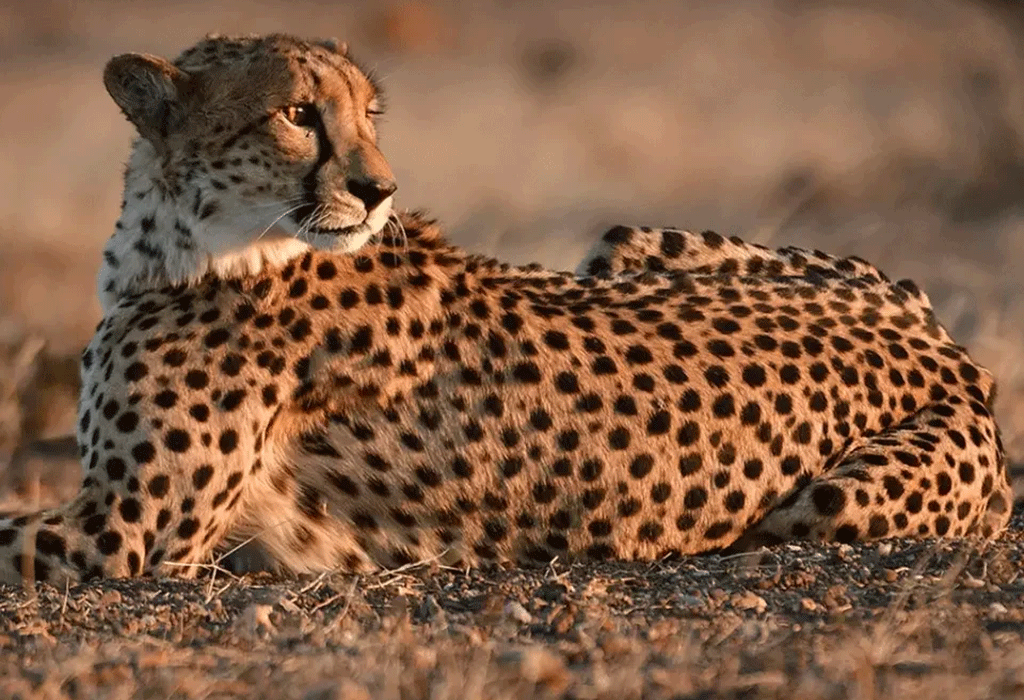
For travellers who want classic Big Five game viewing alongside gorilla trekking, Akagera in Rwanda’s east delivers it, and its recovery over the past decade is one of Africa’s genuine conservation success stories. Lion and black rhino were both locally extinct here and have since been successfully reintroduced, joining healthy populations of elephant, buffalo and leopard across a landscape of savannah, wetland and lake.
It is smaller and less dramatic than the Serengeti or Masai Mara, but delivers a full, satisfying safari in just two to three days, which suits Rwanda’s compact, efficient travel style well.
Nyungwe Forest National Park
Nyungwe offers a genuinely different experience: montane rainforest trekking, a canopy walkway suspended above the forest floor, and chimpanzee tracking that, while less certain than gorilla trekking, rewards patient visitors with sightings of one of humanity’s closest living relatives. It suits travellers who want to extend their primate experience beyond gorillas, or who are drawn to birdwatching, since Nyungwe hosts one of the richest bird populations in the region.
Lake Kivu
A stop at Lake Kivu, one of Africa’s Great Lakes, works well as a slower, more relaxed close to a Rwanda itinerary. Lakeside towns like Gisenyi and Kibuye offer boat trips, kayaking and simply a change of pace after the early mornings that gorilla trekking and game drives demand, and several genuinely comfortable lodges have opened along the shoreline in recent years.
When to Visit
Rwanda’s best weather for trekking falls in two windows: June through September and December through early February, both drier periods with more stable trails and, generally, easier trekking conditions.
That said, if gorilla trekking is your priority, the honest advice is to plan your trip around whenever you can secure a permit rather than strictly around the calendar, since the $1,500 fixed permit price books out months ahead regardless of season and rarely has meaningful last-minute availability. The wetter months outside these windows bring lower visitor numbers and lush scenery, and trekking still happens, just with muddier trails and a higher chance of rain during the walk itself.
Budgeting for a Rwanda Trip
The gorilla permit is the single largest and most fixed cost of a Rwanda trip: $1,500 per person, set by the government, with no discounting and no refund if you cancel. Beyond that, accommodation varies widely.
Budget guesthouses and simpler lodges near Volcanoes National Park run roughly $150 to $300 per person per night, mid-range options $300 to $600, and the country’s standout luxury properties, including several ultra-premium lodges built specifically around gorilla trekking, move well above $1,000 per night. A well-paced five to seven day trip covering Kigali, Volcanoes National Park and either Akagera or Nyungwe typically runs $3,500 to $6,000 per person at mid-range comfort, gorilla permit included, before international flights.
Accommodation Styles
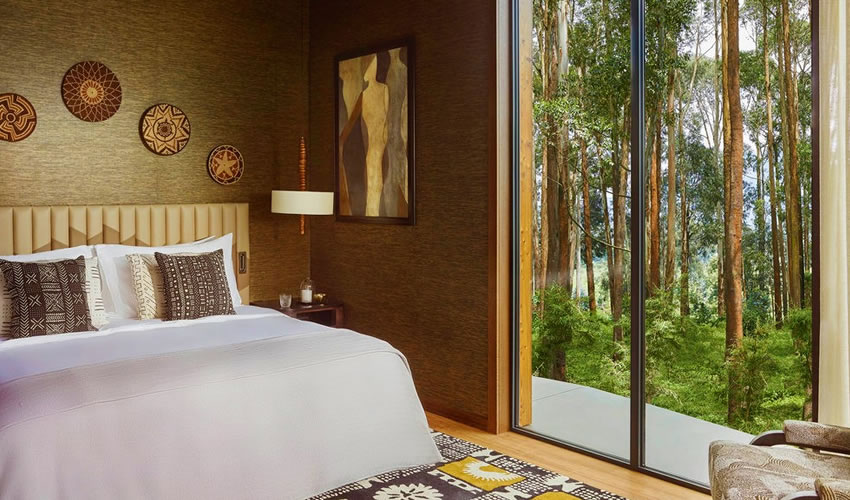
Lodges near Volcanoes National Park range from simple, comfortable guesthouses to some of Africa’s most talked-about luxury properties, several of which have been built in the last decade specifically to capture the growing high-end gorilla trekking market. Akagera and Nyungwe offer a more traditional safari lodge and tented camp experience.
Lake Kivu adds a genuinely different register, with relaxed, resort-style properties that suit travellers wanting a slower final few days. Across all of these, Rwanda’s lodges tend to be smaller and more personally run than the larger commercial properties found in Kenya or South Africa, which suits travellers who want a quieter, more attentive style of hospitality.
Visas and Entry Requirements
Most nationalities, including US and UK citizens, can obtain a 30-day visa on arrival for $50, or apply in advance online through Rwanda’s Irembo portal, which avoids any queue at the airport and is generally the smoother option. No invitation letter or advance approval is required for most travellers. Rwanda also participates in the East Africa Tourist Visa alongside Kenya and Uganda, which is worth considering if your itinerary spans more than one of those countries, since it covers all three on a single visa.
Planning Advice for First-Timers
Book your gorilla permit before anything else. It is the one fixed, non-negotiable component of the trip, and every other decision, dates, lodge choice, flights, should be built around confirmed permit availability rather than the other way around. Five to seven days is enough to cover Rwanda properly without feeling rushed: two nights near Volcanoes National Park for trekking, a night or two in Kigali, and either Akagera or Nyungwe depending on whether Big Five game viewing or forest trekking appeals to you more.
Pack for genuinely variable weather at altitude, since Volcanoes National Park sits well above 2,000 metres and mornings can be cold even in the dry season, along with sturdy, broken-in hiking boots and gardening gloves for gripping stinging nettles during the trek.
Our Recommendations by Traveller Type
First-time visitors focused purely on gorillas should keep it simple: Kigali plus Volcanoes National Park over four to five days, staying at a well-reviewed mid-range lodge near the park entrance.
Travellers wanting a fuller safari experience should add Akagera for two to three days to combine gorilla trekking with classic Big Five viewing. Nature and birding enthusiasts will get the most from adding Nyungwe Forest for chimpanzee tracking and the canopy walk.
Honeymooners and couples should consider closing the trip with two or three nights at Lake Kivu, a genuinely relaxing contrast to the early starts elsewhere in the itinerary.
Health and Practical Considerations
Yellow fever vaccination is required for entry if you are arriving from a country with risk of transmission, and recommended more broadly by most travel clinics regardless of your routing. Malaria prophylaxis is generally advised for Kigali, Akagera and Lake Kivu, though the higher altitude around Volcanoes National Park carries a lower malaria risk.
Gorilla trekking itself is physically demanding but not technical, no climbing skills are needed, though the altitude, often above 2,500 metres on the trail, and uneven, sometimes muddy terrain mean a reasonable baseline fitness genuinely helps. Porters are available to hire at the trailhead for a modest fee and are worth using, both to carry your bag and because it puts income directly into the local community that borders the park.
Rwanda’s currency is the Rwandan franc, though US dollars are widely accepted for tourism-related payments including the gorilla permit itself, which must be paid in cash or by card in advance through a licensed operator rather than at the park gate.
Frequently Asked Questions
How much does a gorilla permit cost in Rwanda?
$1,500 per person, fixed by the government, non-refundable and non-transferable. It should be booked as far in advance as possible, ideally twelve months ahead for peak season dates.
How many days do I need in Rwanda?
Five to seven days covers the country well. Rwanda is compact, roads are good, and you are never more than a few hours from Kigali, so even a shorter trip does not feel rushed.
Is Rwanda safe for first-time travellers?
Yes. Rwanda is consistently ranked among Africa’s safest countries, with low crime rates and a well-organised tourism sector, particularly in Kigali and the main tourist areas.
Do I need a visa before arriving?
Not necessarily. A 30-day visa on arrival is available for $50, though applying in advance through the Irembo portal is faster and avoids any airport queue.
Can I photograph the gorillas?
Yes, photography is welcome and encouraged, though flash photography is prohibited to avoid startling the gorillas. A camera with a reasonably fast lens is useful, since forest light is often dim even in good weather.