Luxury Safari Vs. Budget Safari In Uganda: Which One Is Right For You?
Luxury Safari Vs. Budget Safari Uganda is a game changer to look at carefully through comparison. That one fixed point changes the entire luxury versus budget calculation for Uganda and separates it from almost every other safari destination in Africa. But it does not mean the choice between tiers does not matter.
It matters a great deal, just not in the way most people assume. The question is not whether a luxury safari is better than a budget one. The question is which version of the Uganda safari experience matches your travel priorities, physical expectations, and what actually makes a trip feel worthwhile to you personally.
What a Budget Uganda Safari Actually Looks Like
Budget safari in Uganda is often misrepresented in both directions. Some sources make it sound like hardship, camping in the rain with unreliable guides. Others make it sound like a minor financial adjustment that barely affects the experience. Neither is accurate. A well-planned budget Uganda safari is a genuinely good trip. It requires more tolerance for basic facilities, longer road journeys, and shared transport than a mid-range or luxury trip, but the wildlife is identical and the gorilla encounter is the same.
On a budget of roughly USD 200 to USD 300 per person per day, excluding the gorilla permit, you can do an extremely satisfying Uganda safari. At this level you will stay in community-run rest camps, basic but clean lodge bandas outside the national park boundaries, or budget-friendly properties close to the trekking trailheads. Transport will typically be in a shared minivan or an older 4×4 Land Cruiser with a group of other travelers, which significantly reduces the per-person daily vehicle cost.
Budget Accommodation: What to Expect
Budget accommodation in Uganda ranges from basic camping at around USD 10 to USD 20 per person per night to budget lodge bandas with shared or en-suite bathrooms for USD 60 to USD 150 per night. The most commonly recommended budget lodges are community-owned camps, which directly support the local communities surrounding the national parks and often provide a cultural connection that more expensive lodges do not.
Buhoma Community Rest Camp, Bwindi
The Buhoma Community Rest Camp is one of the most enduring success stories in Ugandan community tourism. Run by the Buhoma community, with proceeds going directly into local development projects including schools and medical facilities, it sits within walking distance of the Buhoma briefing point for gorilla trekking. Accommodation ranges from basic camping to simple banda rooms, and the meals are straightforward local food prepared well. It is not comfortable by any stretch, but it delivers exactly what it promises: clean, safe, and directly adjacent to where you need to be at six-thirty in the morning.
Rushaga Gorilla Havens, Bwindi
For travelers trekking gorillas in the Rushaga sector of Bwindi, Rushaga Gorilla Havens offers simple en-suite rooms at budget-friendly rates with friendly service and proximity to the trailhead. It is basic by lodge standards but the location is genuinely convenient and the staff are knowledgeable about the gorilla families in their area.
Red Chili Rest Camp, Murchison Falls
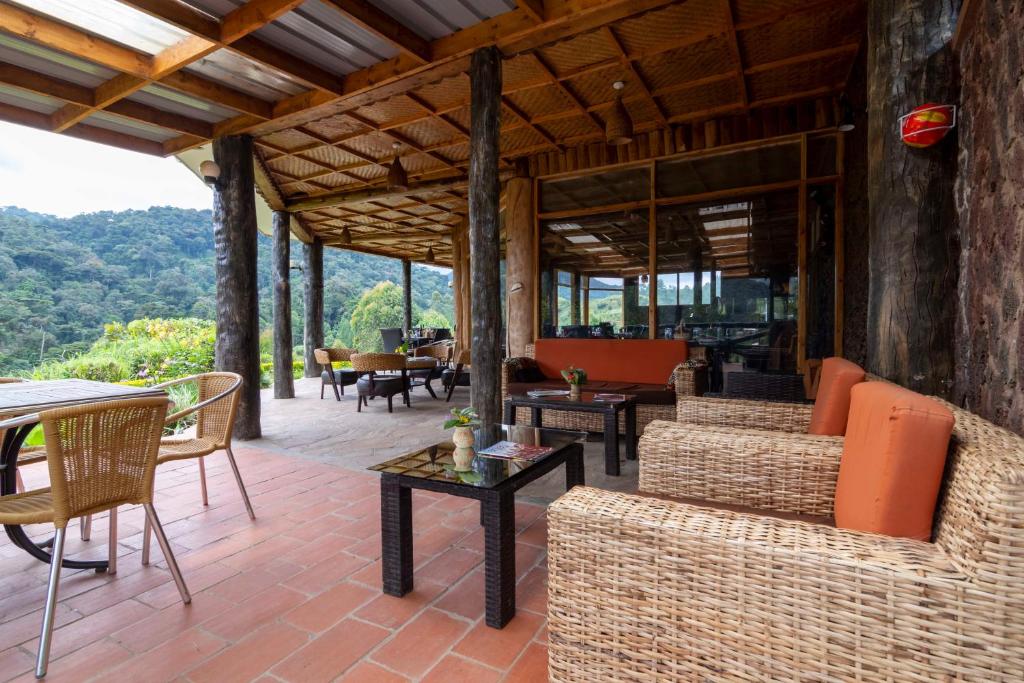
Red Chili Rest Camp near the northern gate of Murchison Falls National Park is the most popular budget option for travelers exploring Uganda’s largest park. It offers camping, simple bandas, and a casual bar and restaurant with reliable food. The camp runs scheduled boat cruises and game drives that travelers can join at shared rates, which keeps transport costs manageable. It has been a fixture on the Uganda backpacker circuit for many years and its reviews consistently reflect a place that delivers honest value.
Budget Transport: The Trade-Off That Matters Most
Transport is where budget travelers feel the most significant difference from mid-range and luxury options, and it is worth being honest about what that means in practice. Uganda’s national parks are not close together. Driving from Entebbe to Murchison Falls takes roughly five to six hours on a good day. Murchison to Kibale Forest is another four hours. Kibale to Bwindi is a further four to five hours through mountainous terrain. On a budget trip combining multiple parks in one itinerary, those hours accumulate into long days that can exhaust even enthusiastic travelers.
Shared group transport reduces costs by splitting the daily vehicle and fuel expenses, which typically run USD 150 to USD 200 per day for a private 4×4 Land Cruiser with driver and guide. In a group of four or five travelers, the per-person daily transport cost drops to around USD 35 to USD 50, which is a significant saving. The trade-off is a loss of flexibility: game drives run on the group’s schedule rather than yours, early departures happen when everyone is ready rather than when you choose, and if one person in the group has very different interests from the others, it creates friction.
Who a Budget Uganda Safari Is Right For
- Younger travelers and backpackers for whom physical comfort is not a priority and the wildlife experience itself is the goal
- Solo travelers who enjoy meeting other tourists and do not mind sharing vehicles and communal spaces
- People who are spending their permit budget on gorilla trekking and have less to allocate to accommodation
- Budget-conscious travelers who are flexible with travel dates and can take advantage of low-season discounts of 30 to 50 percent on accommodation
- First-time Uganda visitors who want to explore the country before deciding whether a return luxury trip is worthwhile
- Travelers who are drawn to community-run properties and want their spending to go directly to local people rather than international lodge chains
Limitations of Budget Travel in Uganda
Uganda’s road infrastructure, while improving, still involves significant time on rough murram tracks, particularly in the approach roads to Bwindi and Kidepo Valley. Budget travelers in shared vehicles without shock absorbers in good condition will feel those roads much more than passengers in a well-maintained private Land Cruiser. Gorilla trekking itself can take anywhere from one to eight hours through steep, muddy forest terrain. Arriving for that trek after five hours on a bad road the day before is a very different experience from arriving after a short domestic flight and a comfortable night in a lodge with a warm shower and a good dinner.
Food quality at budget camps is generally fine but simple. Local staple foods like posho, matoke, rice, and beans are well prepared and filling. Travelers with specific dietary requirements or strong food preferences will find budget camps less accommodating than mid-range or luxury properties where menus are more varied and dietary needs are taken seriously in advance.
The Middle Ground: Why Mid-Range Is the Most Popular Uganda Safari Choice
The Uganda Tourism Board’s own statistics suggest that approximately 65 percent of international safari visitors to Uganda choose mid-range accommodation. That number reflects something real rather than just a split between those who cannot afford luxury and those who do not want to camp. Mid-range safaris in Uganda occupy a genuine sweet spot where the quality of the accommodation, guiding, food, and transport is high enough to enhance the overall experience meaningfully while remaining considerably more accessible in cost than the top-tier lodges.
A mid-range Uganda safari runs roughly USD 350 to USD 600 per person per day, excluding the gorilla permit. A comprehensive seven to ten-day itinerary combining Bwindi for gorilla trekking, Queen Elizabeth National Park for game drives and the Kazinga Channel boat safari, and Kibale Forest for chimpanzee tracking typically costs between USD 3,500 and USD 5,500 per person all-inclusive at this level. These are not budget figures but they represent genuinely strong value for what you receive.
Mid-Range Accommodation
Mahogany Springs Lodge, Bwindi Buhoma
Mahogany Springs is consistently among the most praised mid-range options in Bwindi. Its eight private bandas sit amid natural gardens above the Munyanga River with terraces that frame views over the forest canopy. Gorillas have been spotted from the lodge grounds. The food is genuinely good, the service is warm, and the proximity to the Buhoma trekking briefing point makes morning logistics straightforward. At around USD 450 to USD 650 per person per night all-inclusive, it sits at the upper end of mid-range but the quality justifies the position.
Mweya Safari Lodge, Queen Elizabeth National Park
Mweya occupies a dramatic peninsula between the Kazinga Channel and Lake Edward in Queen Elizabeth National Park, and its position alone makes it one of the most memorable places to stay in Uganda. Game viewing from the lodge veranda produces hippos, buffalo, and waterbirds with regularity. The rooms have been updated and are comfortable without being extravagant. The boat safaris on the Kazinga Channel are organized directly from the lodge. It prices in the USD 250 to USD 400 per person per night range and represents solid value for the location.
Primate Lodge, Kibale Forest
Primate Lodge sits on the edge of Kibale Forest National Park with forest sounds filling the rooms from dusk onwards. It offers en-suite cottages with verandas, reliable hot water, a swimming pool, and a good kitchen. Chimpanzee tracking begins at the Kanyanchu Visitor Centre, a short drive away. The lodge also has some budget-tier rooms for travelers who want the convenience of the Kibale location without the full mid-range price.
Pakuba Safari Lodge, Murchison Falls
Pakuba Safari Lodge sits on the northern bank of the Nile in Murchison Falls National Park with river views and regular elephant and buffalo sightings from the property. It is a comfortable, well-run property with a good restaurant, spacious rooms, and guides who know Murchison’s game viewing areas well. It fills a useful role for travelers who want a genuine lodge experience in Uganda’s largest park without paying luxury rates.
What Luxury Safari in Uganda Genuinely Offers
Uganda’s luxury safari tier has developed significantly over the past decade. Properties that would have been considered exceptional ten years ago now have genuine competition from newer lodges that combine extraordinary natural settings with serious architectural ambition, world-class food, and a level of personalized service that changes the entire texture of the safari experience. What the luxury tier offers in Uganda is not simply more comfort, though it offers that too. It offers a fundamentally different relationship with the landscape, the wildlife, and the pace of the trip.
A luxury Uganda safari runs from USD 700 to USD 1,500 per person per day all-inclusive, excluding the gorilla permit and international flights. A seven to ten-day itinerary at this level can easily reach USD 8,000 to USD 15,000 per person. The key word that separates luxury from mid-range in Uganda is not comfort but exclusivity: smaller guest lists, private vehicles with expert naturalist guides, domestic flights between parks that replace long road transfers, and lodge positions within or directly adjacent to prime wildlife areas that no budget property can access.
Uganda Luxury Lodges
Clouds Mountain Gorilla Lodge, Nkuringo Sector, Bwindi
Clouds Mountain Gorilla Lodge sits at 2,100 meters on a forested ridge above the Nkuringo sector of Bwindi with views toward the volcanic Virunga range that on a clear morning include the glow of the Nyiragongo crater across the border in the DRC. The seven stone cottages are built to a standard that would not feel out of place in the Swiss Alps: log fireplaces, plump sofas, local art on the walls, and a level of warmth that the altitude demands and the lodge provides instinctively. After a gorilla trek, which from the Nkuringo sector can be among the most physically demanding in Bwindi, a foot massage is a standard service and not a marketing line. The food, locally sourced and prepared with real skill, is among the best at any safari lodge in East Africa.
Sanctuary Gorilla Forest Camp, Buhoma Sector, Bwindi
Sanctuary Gorilla Forest Camp is the only luxury property located inside the boundaries of Bwindi Impenetrable National Park itself, which means gorillas sometimes wander through the camp grounds. Its ten luxury tents are furnished with hardwood floors, deep bathtubs, and private balconies that look directly into the forest. Trekking begins virtually from the front gate. The guest experience here is defined by intimacy: ten tents means twenty guests maximum, guides who know every habituated gorilla family by name and personality, and an evening experience of sitting on your veranda listening to the forest that the property’s inside-the-park location makes uniquely possible.
Apoka Safari Lodge, Kidepo Valley National Park
Apoka Safari Lodge in the remote Kidepo Valley is Uganda’s equivalent of a destination in itself. Kidepo Valley National Park in the far north is Uganda’s wildest and least visited park, with lions, elephants, buffalo, cheetahs, and the endemic Karamoja apalis bird in a landscape that feels genuinely untouched. Apoka’s suites have private plunge pools that overlook a wildlife-rich floodplain where animals gather in the late afternoon, and the lodge’s position on the Narus Valley gives game viewing that begins before you have finished your morning coffee. Getting there requires either a domestic flight or a long and genuinely adventurous road journey, both of which become part of the story.
Nile Safari Lodge, Murchison Falls National Park
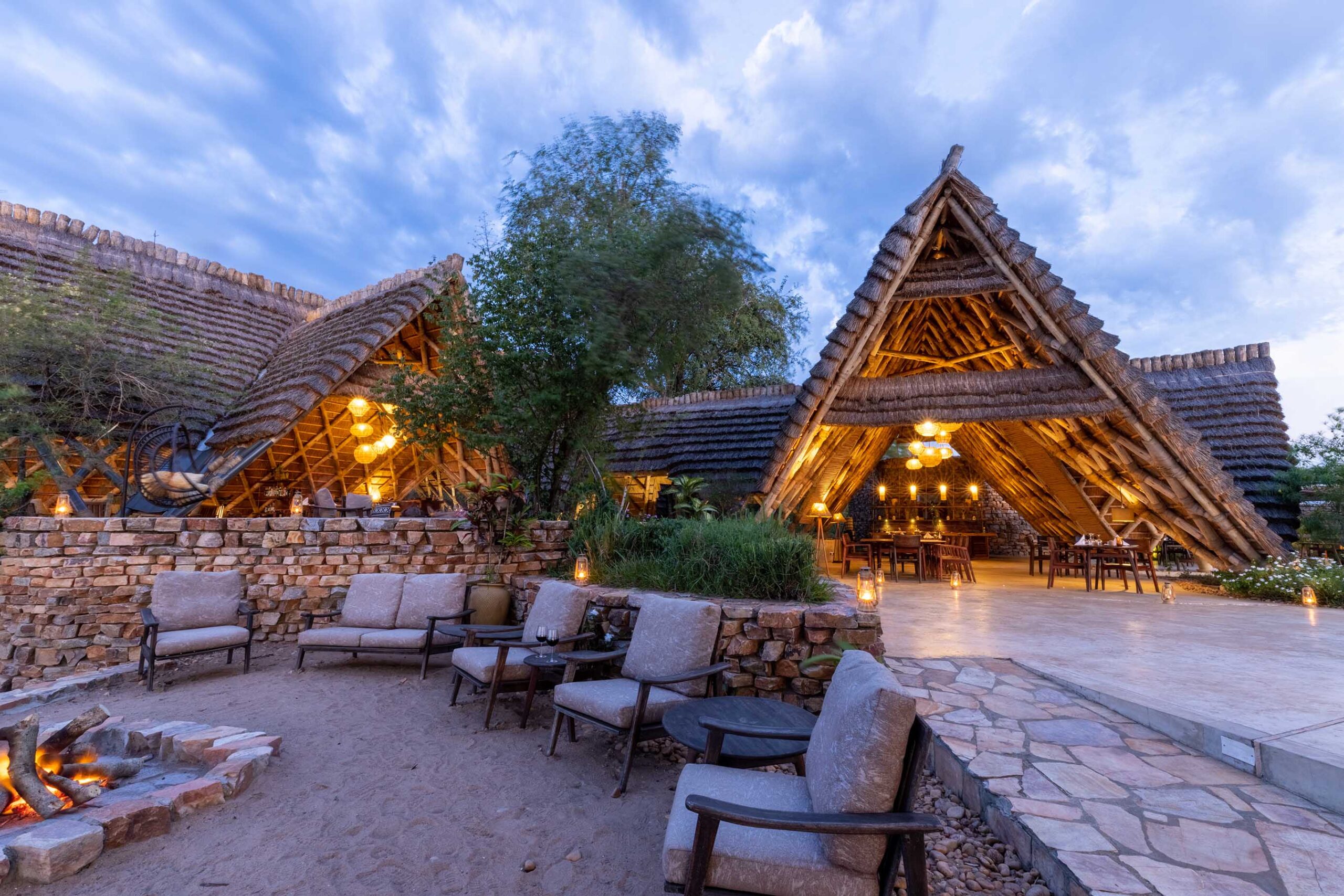
Nile Safari Lodge on the southern bank of the Nile at Murchison Falls redefines what a bush lodge can be architecturally. The thatched suites have private plunge pools, open-air showers, and sunset terraces positioned directly above the river. Hippos grunt below from dusk onwards. The infinity pool and the dining experience overlooking the water qualify as genuinely exceptional in the way that a few places in the world manage to achieve. For travelers spending time in Murchison Falls, this lodge turns a great park experience into a complete one.
Lemala Wildwaters Lodge, Jinja
Lemala Wildwaters Lodge, on its own private island in the Nile at Jinja, is not a traditional safari lodge but it is the finest property in Uganda’s adventure capital and it works beautifully as a pre- or post-safari stop. Wooden walkways connect riverside cottages whose decks hang above Nile rapids. The pool, suspended over the water, is one of the most extraordinary pools in Africa. For travelers whose Uganda itinerary includes white water rafting on the Nile at Jinja, this is the place to recover.
Budget vs Mid-Range vs Luxury: The Honest Side-By-Side
| Experience Element | Budget | Mid-Range | Luxury |
| Gorilla encounter | Identical to all tiers | Identical to all tiers | Identical to all tiers |
| Accommodation style | Basic bands, shared facilities | En-suite lodge rooms, pool | Stone cottages, private plunge pools, butler |
| Transport | Shared van or older 4×4 | Private 4×4 Land Cruiser | Private 4×4 plus domestic flights between parks |
| Food quality | Local staples, simple menus | Three-course meals, varied menu | Gourmet locally sourced, fine dining |
| Guide quality | Competent licensed guides | Experienced professional guides | Senior naturalist guides with deep specialization |
| Group size | Joined group tours 6 to 10 | Private vehicle 2 to 4 | Private vehicle with exclusive camp |
| Location | Outside park boundaries | Near or inside parks | Prime locations inside or adjacent to parks |
| Flexibility | Fixed group schedule | Some flexibility | Fully private, your pace entirely |
| Costs per day | $200 to $300 pp | $350 to $600 pp | $700 to $1,500 pp |
| Full trip: 7 to 10 days | $1,500 to $2,800 pp | $3,500 to $5,500 pp | $7,500 to $15,000 pp |