Ultimate Packing List for a Rwanda Safari; Rwanda’s climate and activity variety—cool volcanic highlands for gorilla trekking, warm savannah for Akagera game drives, humid rainforest for Nyungwe chimp tracking, and the Lake Kivu beach and boat activities that often close out a trip—means a well-packed Rwanda safari bag has to cover more ground than a single-destination trip would.
Getting these right matters: the wrong clothing or footwear choice on a gorilla trek is uncomfortable, and arriving underprepared for the altitude chill at Volcanoes National Park after packing for savannah heat is one of the most common first-time visitor surprises.
This guide covers the complete packing list for a Rwanda safari, organized by category and cross-referenced against the country’s specific destinations and activities, gorilla and golden monkey trekking, Akagera’s savannah safari, Nyungwe’s rainforest, and Lake Kivu’s beach and boat activities, so you pack once, correctly, for the full range of what a Rwanda trip involves.
Why Rwanda Packing Needs a Destination-Specific Approach
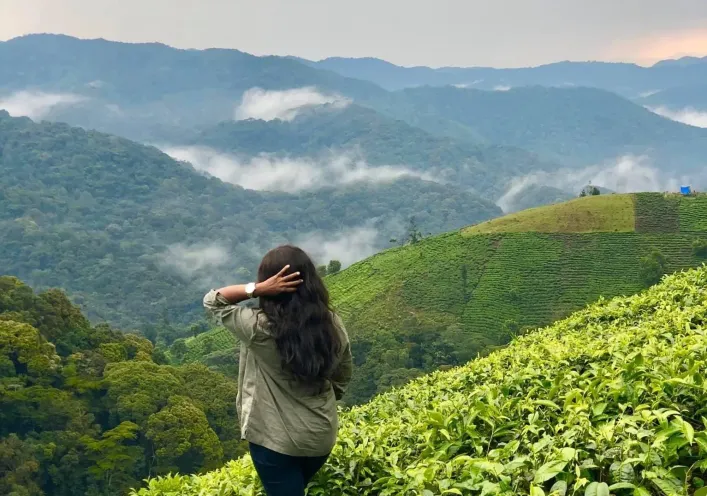
Rwanda’s high-altitude geography—most of the country sits above 1,000 meters, with the Volcanoes National Park region considerably higher still—keeps temperatures far more moderate than travelers typically expect from an African safari destination. This is the single most common packing mistake: arriving with a wardrobe built for savannah heat and discovering that Volcanoes National Park mornings are cold, while Akagera and Lake Kivu are warm enough that the same heavy layers become a burden rather than a necessity.
A well-packed Rwanda bag uses a layering system that moves between these different climate zones rather than packing entirely separate wardrobes for each destination. Understanding which items serve double duty and which are destination-specific is the key to packing efficiently for a multi-park Rwanda itinerary.
Understanding Rwanda’s Climate Zones for Packing Purposes
Rwanda’s climate divides into several distinct zones that a complete safari itinerary typically crosses. Volcanoes National Park, at altitude on the lower slopes of the Virunga volcanoes, is cool year-round, with cold mornings and frequent mist and rain in every month. Akagera, in the lower-altitude eastern savannah, is considerably warmer and drier, with a climate much closer to what most travelers expect from an African safari. Nyungwe Forest, a montane rainforest, is humid and receives rainfall even during the nominal dry season. Lake Kivu, at a moderate altitude around the lake itself, offers a pleasant, warm, comfortable climate suited to beach and water activities.
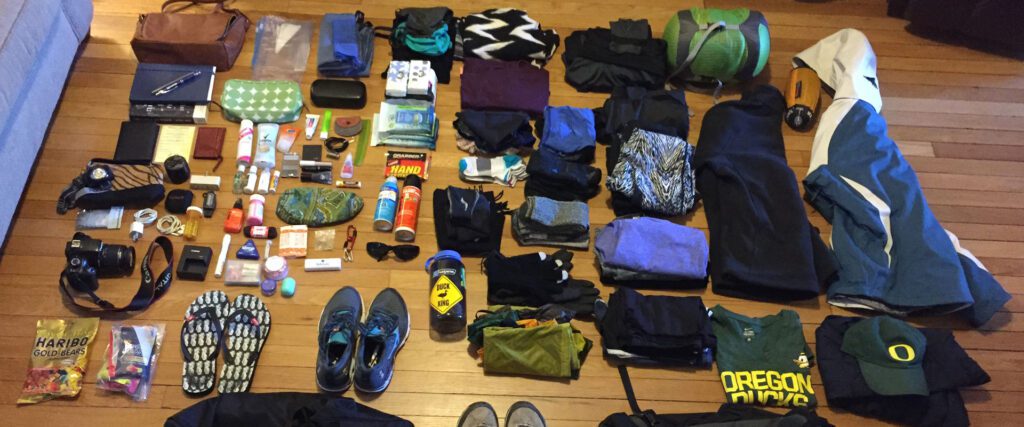
The practical packing implication is that a single Rwanda trip covering all four of these zones needs a flexible layering system rather than a fixed wardrobe: warm layers for Volcanoes National Park mornings, lighter breathable clothing for Akagera’s heat, quick-drying and rain-ready gear for Nyungwe, and separate swimwear and casual clothing for Lake Kivu.
Rwanda’s Climate Zones and Packing Implications
Here is a direct breakdown of what each part of a Rwanda itinerary specifically requires.
| Destination | Climate | Key Packing Need | Temperature Range |
| Volcanoes National Park | Cool, high-altitude, frequent mist and rain | Warm layers, waterproof outer shell, hiking boots | 5-20°C, colder at dawn |
| Akagera National Park | Warm, dry savannah | Lightweight breathable clothing, sun protection | 20-30°C |
| Nyungwe Forest | Humid montane rainforest, rain year-round | Quick-drying clothing, rain gear, hiking boots | 12-22°C |
| Lake Kivu | Pleasant, moderate altitude | Swimwear, casual clothing, light layers for evenings | 18-27°C |
| Kigali | Comfortable, moderate altitude | Smart-casual clothing for city activities and dining | 15-27°C |
The Complete Rwanda Safari Packing List
What follows covers each essential category, cross-referenced against Rwanda’s specific destinations and activities.
Clothing: Building a Cross-Destination Layering System
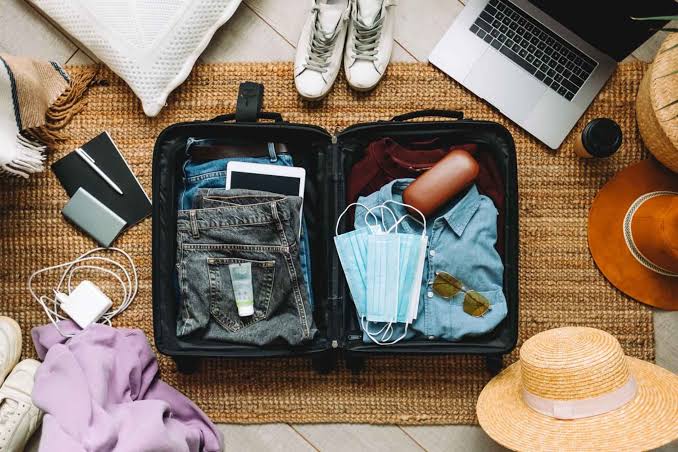
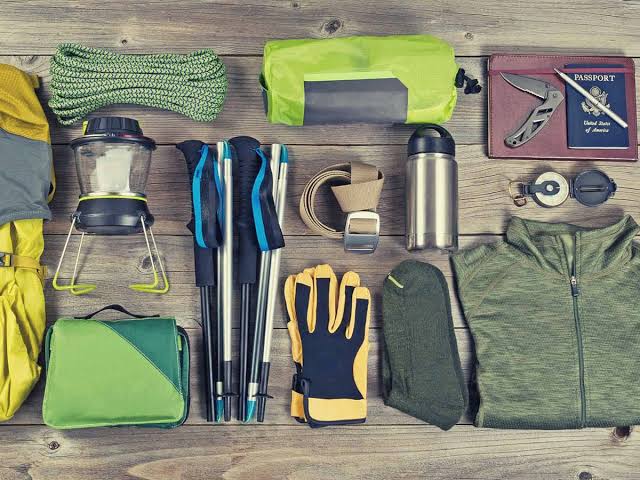
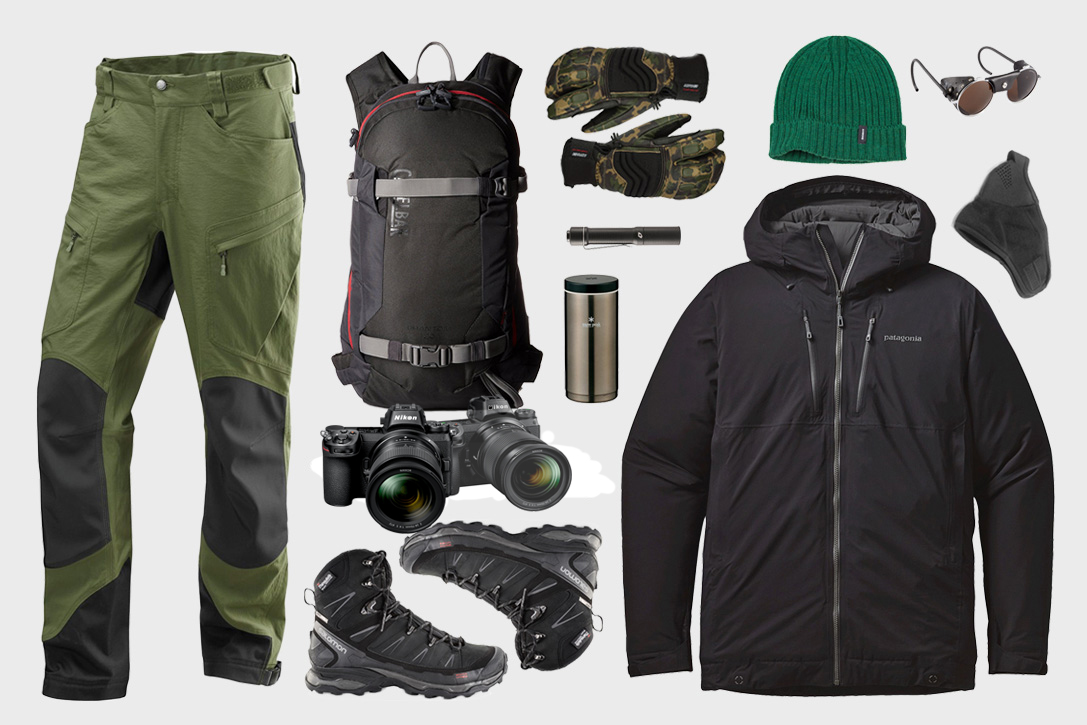
The core of an efficient Rwanda packing list is a layering system rather than separate wardrobes for each destination. A moisture-wicking base layer, a warm mid-layer (fleece or lightweight down), and a waterproof outer shell together cover Volcanoes National Park’s cold mornings and Nyungwe’s rain, while the same base layer alone, or paired with lightweight breathable clothing, handles Akagera’s warmth. Long trousers and long-sleeved shirts in neutral colors serve double duty for game drives and forest treks, protecting against sun, insects and vegetation alike. Pack two to three sets of trekking-appropriate clothing, since gorilla and chimp tracking will muddy and sweat through garments, plus separate lighter, casual clothing for Akagera evenings, Kigali city time and a Lake Kivu extension if included.
Footwear
Waterproof, ankle-supporting hiking boots, properly broken in before your trip, are essential for gorilla trekking, golden monkey trekking and Nyungwe’s chimp and colobus tracking. A second pair of comfortable, closed walking shoes or trainers suits Akagera game drives and general camp walking, where the full trekking boot isn’t necessary. Sandals or flip-flops are worth packing specifically for a Lake Kivu extension or simply for evenings at camp.
Rain and Cold Weather Gear
A proper waterproof, breathable rain jacket is essential given Rwanda’s year-round rain risk, particularly at Volcanoes National Park and Nyungwe. A warm hat, gloves and a buff or scarf are worth packing specifically for early morning departures at Volcanoes National Park, where temperatures can be cold before the sun is fully up. Gaiters, protecting the lower leg and boot top from mud and vegetation, are a worthwhile addition for both gorilla trekking and Nyungwe forest activities.
Sun and Insect Protection
Sunscreen and a sun hat are necessary throughout, including on overcast days at altitude where UV exposure remains significant. Insect repellent is important across all of Rwanda’s lower-altitude destinations, particularly Akagera and around Lake Kivu, and worth applying even at Volcanoes National Park despite its cooler climate.
Photography Equipment
A camera with a zoom lens in the 100-300 mm range is best for gorilla trekking and chimp trekking, where flash is prohibited and the mandatory viewing distance requires zoom capability. A wider-angle option or a second lens suits Akagera’s landscape and wider wildlife shots. Spare batteries, memory cards, and a dry bag or rain cover for equipment are essential given the humidity and rain risk across most of Rwanda’s activity destinations.
Health, Documents and Miscellaneous Essentials
Antimalarial medication appropriate for the areas you’ll visit, a personal first aid kit, any personal prescription medication in hand luggage, hand sanitizer, and a small amount of US dollars in small denominations for tips round out the essentials. Your passport with appropriate visa arrangements, printed or digital copies of your gorilla and chimp trekking permits, travel insurance documentation specifically covering trekking activities and medical evacuation, and a universal power adapter should all be confirmed and packed well before departure.
How Season Affects Your Rwanda Packing List
Rwanda’s two dry seasons, June through September and December through February, still require full rain gear given the unpredictability of mountain and rainforest weather, but the overall likelihood of sustained rain is somewhat lower than during the wet seasons.
The long rains from March through May and the short rains from October through November make waterproofing considerably more important across the entire trip, and travelers visiting during these windows should specifically prioritize gaiters, a high-quality rain shell, and dry bags for electronics.
| Season | Months | Packing Emphasis | Key Addition |
| Long dry season | June – September | Standard full kit across all destinations | Rain gear is still essential despite drier overall conditions. |
| Short dry season | December – February | Standard full kit | Good conditions overall, but pack for cold Volcanoes NP mornings. |
| Long rains | March – May | Maximum waterproofing across all destinations | Gaiters, dry bags, trekking poles |
| Short rains | October – November | Full rain gear is recommended. | Moderate additional rain protection |
What to Buy vs. What You Can Find Locally
Most Rwanda safari equipment is worth sourcing before your trip, given limited specialist outdoor retail availability once you arrive, though a few items are practically available locally or for hire.
Worth purchasing in advance—hiking boots, layering clothing, camera equipment
Hiking boots specifically need breaking in before travel. Technical layering clothing and camera equipment are similarly worth sourcing at home given limited specialist retail in Rwanda.
Available for hire locally—walking sticks, porters (trekking activities)
Wooden walking sticks and porter services are available at the gorilla and chimp trekking park headquarters, worth using rather than sourcing your own equivalent.
Available to purchase in Kigali if needed—basic clothing, toiletries, and some outdoor gear
Kigali has reasonable shopping for basic items if something is forgotten, though the range and quality of specialist trekking gear specifically are limited compared with home options.
Packing Considerations by Trip Structure
How many destinations your Rwanda itinerary covers affects how much and what type of clothing to pack, particularly around laundry access.
| Trip Structure | Laundry Access | Packing Implication |
| Single destination (Volcanoes NP only) | Usually available at lodges | Pack for 2-3 days; laundry covers longer stays. |
| Two-park circuit (e.g., Volcanoes + Akagera) | Available at most lodges, variable turnaround | Pack enough for both destinations’ distinct climate needs. |
| Three-park circuit (Volcanoes + Nyungwe + Akagera) | Generally available but plan for transit days | A well-planned layering system reduces overall volume needed. |
| Trip including Lake Kivu extension | Available at most beach properties | Add swimwear and casual wear to the core trekking/safari kit. |
Activity-Specific Packing Notes
Beyond the core list, a few specific Rwanda activities benefit from particular packing attention.
Gorilla and Golden Monkey Trekking
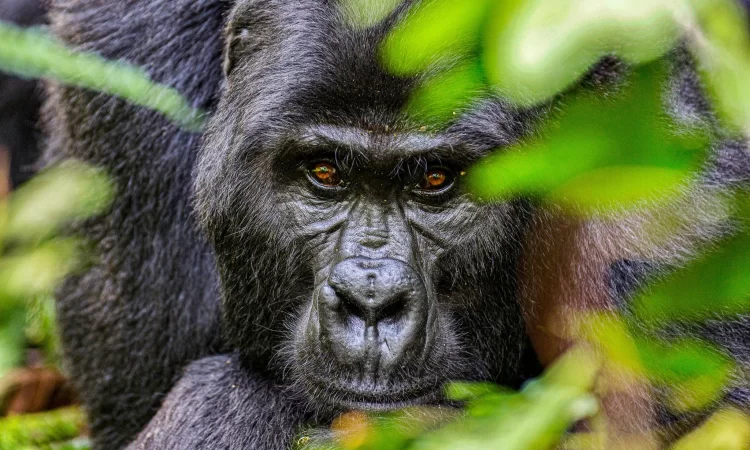
The full trekking kit: waterproof boots, a layering system, gloves, gaiters, a rain shell, and a camera with zoom capability. See the dedicated gorilla trekking packing guide for full detail on this specific activity.
Akagera Game Drives and Boat Cruise
Lighter, breathable clothing in neutral colors, a wide-brim sun hat, sunglasses, and a light jacket for the boat cruise, where the water crossing can feel cooler than the surrounding savannah, particularly on early morning departures.
Nyungwe Chimp Tracking and Canopy Walk
The same trekking kit used for gorillas applies here, with rain gear taking on particular importance given Nyungwe’s status as a year-round rainforest. For the canopy walkway specifically, comfortable closed shoes and a secure camera strap are worth prioritizing given the elevated walkway’s height.
Lake Kivu Beach and Boat Activities
Swimwear, a light cover-up, reef-safe sunscreen (if swimming), casual evening wear, and light sandals are the Lake Kivu-specific additions to an otherwise trekking and safari-focused packing list.
Kigali City Time
Smart-casual clothing for dinners and cultural site visits, including modest dress appropriate for the Kigali Genocide Memorial and any mosque or church visits, is worth including alongside the more rugged trekking and safari kit.
| Activity | Key Additional Item | Why |
| Gorilla/golden monkey trekking | Full trekking kit (boots, layers, gloves, gaiters) | Steep, wet, vegetated mountain forest terrain |
| Akagera game drives/boat cruise | Lighter breathable clothing, wide-brim hat, light jacket for boat | Warmer savannah climate; cooler on early boat departures |
| Nyungwe chimp tracking/canopy walk | Rain gear priority, secure camera strap for canopy walk | year-round rainforest rainfall |
| Lake Kivu extension | Swimwear, reef-safe sunscreen, sandals | Warm, comfortable lake climate suited to relaxation |
| Kigali City time | Smart-casual and modest clothing | Appropriate for the Genocide Memorial and cultural sites |
Final Packing Advice for a Multi-Destination Rwanda Trip
Pack a soft-sided duffel bag rather than a rigid suitcase if your itinerary includes any domestic flights between destinations, since small aircraft typically have specific baggage restrictions on bag type and weight. A separate daypack, used across every activity from gorilla trekking to game drives to the canopy walk, keeps your daily essentials accessible without repacking your main luggage each morning.
Lay out everything you intend to pack before departure and specifically check it against the climate zone table earlier in this guide, confirming you have appropriate items for the coldest destination (Volcanoes National Park) and the warmest (Akagera or Lake Kivu) within the same bag.
Confirm your itinerary’s specific activity list with your operator before finalizing your packing, since knowing exactly which parks and activities are included lets you calibrate quantities, how many trekking outfits, and how much beachwear, precisely, rather than overpacking for activities that aren’t actually part of your trip.
Packing Priorities by Itinerary Type
Here is a direct guide to packing priorities based on which parts of Rwanda your itinerary covers.
| Itinerary Type | Priority Packing Focus | Notes |
| Gorilla trekking only (Volcanoes NP) | Full trekking kit, warm layers | See the dedicated gorilla trekking packing guide for full detail. |
| Gorilla trekking + Akagera | Trekking kit plus lighter savannah clothing | Pack for both cold highland mornings and warm savannah days. |
| Gorilla trekking + Nyungwe | Trekking kit for both primate activities; maximum rain protection | Both parks involve forest trekking in wet conditions. |
| Three-park circuit (all of Rwanda) | Complete layering system across all climate zones | The most comprehensive packing list; efficient layering reduces bulk. |
| Trip including Lake Kivu | Add swimwear and casual wear to the trekking/safari kit. | A different climate and activity set from the rest of the trip |
Frequently Asked Questions
Is Rwanda cold or hot for a safari?
Both, depending on where you are. Volcanoes National Park, at high altitude, is cool with cold mornings and frequent mist. Akagera, at a lower altitude in the east, is warm and dry, like a classic savannah safari destination. A complete Rwanda itinerary requires packing for both.
What is the single most important item to pack for a Rwanda safari?
Waterproof, broken-in hiking boots with ankle support, essential for gorilla trekking, golden monkey trekking and Nyungwe’s forest activities, all of which involve steep, muddy, uneven terrain.
Do I need different clothing for Akagera versus Volcanoes National Park?
A good layering system handles both: warm layers and a waterproof shell for Volcanoes National Park’s cold mornings and lighter, breathable clothing for Akagera’s savannah heat, with some items serving both destinations.
How many changes of trekking clothes should I pack?
Two to three sets is generally sufficient, since gorilla and chimp trekking will muddy and sweat through garments, and most Rwandan lodges offer laundry service that allows reuse across a longer trip.
Do I need a specific type of luggage for a Rwanda safari?
A soft-sided duffel bag is strongly recommended if your itinerary includes any domestic flights between destinations, since small aircraft typically restrict luggage to soft bags within specific weight limits.
What should I pack differently if my trip includes Lake Kivu?
Add swimwear, a light cover-up, reef-safe sunscreen, sandals and casual evening wear to the core trekking and safari kit, since Lake Kivu’s climate and activities are different from the rest of a Rwanda itinerary.