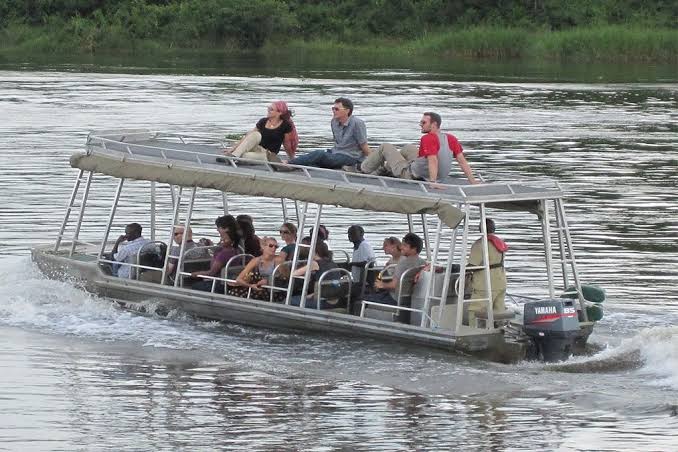
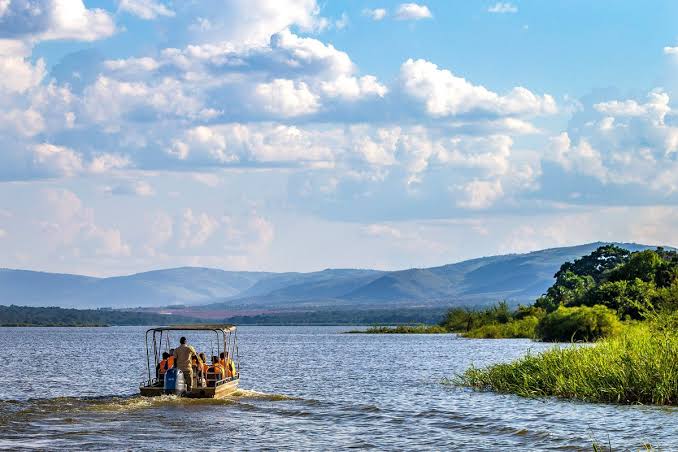
Lake Ihema is Rwanda’s second-largest lake and the centrepiece of Akagera National Park‘s water-based experience, holding one of the densest hippo populations in East Africa alongside substantial Nile crocodile numbers, exceptional waterbird diversity, and a boat cruise widely regarded as the single best activity in the entire park. Fed by the Kagera River as it winds through Akagera’s savannah and wetland system, Lake Ihema sits within the park’s southern section, easily accessible from the main gate and most of the park’s accommodation.
This guide covers everything you need to know about visiting Lake Ihema: the boat cruise experience itself, the specific wildlife you’ll encounter, when to visit, what it costs, and how to combine it with the rest of an Akagera safari. It’s written for travellers planning an Akagera visit who want to understand this specific and genuinely essential part of the park properly.
Is Lake Ihema Worth Visiting?
Yes, without much qualification. Lake Ihema and its boat cruise are widely considered the standout activity within Akagera National Park, delivering a different and often more intimate quality of wildlife encounter than the standard vehicle-based game drives. Hippo, crocodile and a spectacular range of waterbirds are visible at genuinely close range from the boat, in a way that a road-based game drive along the shoreline simply can’t replicate.
It’s essentially a non-negotiable stop for any Akagera visitor with half a day or more to spare, and the only realistic reason to skip it would be an extremely constrained single-day itinerary that must prioritise the core game drive circuit, or a specific aversion to boats, though the cruise itself operates on calm, sheltered water and is comfortable for the vast majority of visitors.
Understanding Lake Ihema’s Significance
Lake Ihema sits within Akagera’s vast wetland system, the largest protected wetland complex in Eastern and Central Africa, fed by the meandering Kagera River as it drains toward Lake Victoria. The lake’s fringing papyrus forest and open water create a concentration of wildlife that vehicle-based game drives along the shoreline can only partially access, since much of the most interesting activity, deep-water hippo pods, crocodile basking on distant banks and islands, waterbirds nesting on a breeding island, happens at a distance or angle that only a boat can properly reach.
The lake’s role within Akagera’s broader conservation story is significant too. As one of the park’s most reliable and accessible water sources, Ihema draws elephant, buffalo and a wide range of other wildlife to its shores, particularly during the dry season, making it a productive stop even outside the formal boat cruise activity. The small breeding island within the lake, holding extraordinary concentrations of nesting cormorants, darters, herons, ibises and African openbills, is one of the most visually striking single sights available on any Rwanda wildlife itinerary.
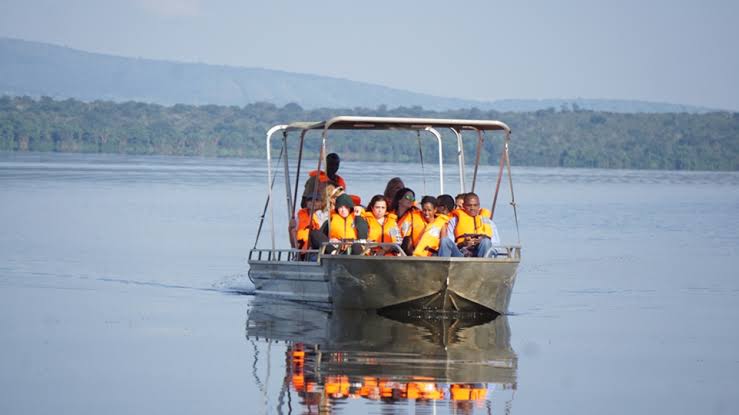
The proximity of both hippo and Nile crocodile at close range from the boat, combined with the genuine drama of watching these animals interact, hippo territorial displays, crocodiles basking with jaws agape, is what gives the Ihema cruise its reputation as Akagera’s signature activity, distinct from and complementary to the park’s classic game drive circuits.
Lake Ihema Boat Cruise vs Standard Game Drive
Understanding what the boat cruise adds beyond a standard game drive helps set the right expectations for your visit.
| Variable | Lake Ihema Boat Cruise | Standard Game Drive |
| Hippo viewing | Extremely close range; safe proximity to pods and behaviour | Distant; typically viewed from the shoreline track |
| Crocodile viewing | Close approach to basking individuals on banks and islands | Occasional distant sightings from the shore |
| Waterbird diversity | Concentrated species at close range, including breeding island | General savannah and woodland species across a wider area |
| Big cat and Big Five land sightings | Not applicable | Primary way to see lion, leopard, elephant and rhino |
| Physical comfort | Seated, calm, minimal movement | Vehicle-based; more movement and dust exposure |
What to Expect on the Lake Ihema Boat Cruise
Understanding the specific structure and wildlife of the cruise helps you plan your visit and know what to look for.
Hippo Pods
Lake Ihema holds a substantial hippo population, and the cruise typically brings the boat within a comfortable but genuinely close viewing distance of multiple pods resting in the shallows and open water.
Territorial disputes between bulls, mothers keeping young calves close, and the group’s periodic surfacing and submerging, along with their distinctive grunting calls, give a sense of hippo social dynamics that a distant shoreline view can’t convey.
Nile Crocodile
Nile crocodile are a near-certain sighting on the cruise, typically observed basking on exposed banks, small islands or partially submerged logs along the boat’s route. The boat’s ability to approach these basking sites more closely than a vehicle confined to the shoreline gives genuinely impressive views of the crocodiles’ scale.
The Breeding Island
A small island within Lake Ihema serves as a major breeding ground for waterbirds, holding extraordinary concentrations of nesting cormorants, darters, herons, ibises and African openbills. This is one of the most visually striking single sights on the cruise and a highlight for birders and general visitors alike.
Waterbirds Along the Shoreline
Beyond the breeding island, the papyrus-lined shores hold African fish eagle, various kingfisher species, pink-backed pelican, saddle-billed stork, spur-winged goose, and the elusive African finfoot, a genuinely difficult species to see well in most of its range but a realistic possibility specifically on the Ihema cruise. Lake Victoria Biome specialists including the papyrus gonolek and white-winged swamp warbler are also possible along the papyrus fringe.
Elephant and Buffalo at the Water’s Edge
Elephant and buffalo frequently come down to Lake Ihema’s shoreline to drink and, in the case of elephant, to bathe, and the boat’s position on the water gives a distinctive low-angle perspective on this behaviour that differs meaningfully from the more common vehicle-based view from the shore track above.
Best Time to Visit Lake Ihema
The Lake Ihema boat cruise runs on a fixed daily schedule year-round, with departures typically at 7:30am, 9am, 3pm and 4:30pm. Each offers a slightly different wildlife and light experience: the early morning departures coincide with the most active wildlife behaviour as temperatures are cooler, while the late afternoon departures offer the most attractive light for photography, with a good chance of a scenic sunset developing over the lake as the cruise concludes.
Seasonally, the dry months from June through September and December through February offer the clearest visibility and the most concentrated wildlife activity around the lake, as water sources elsewhere in the park diminish and animals gather more predictably at Ihema. The wetter months still deliver a rewarding cruise, since hippo and crocodile are lake-resident species unaffected by seasonal rainfall in the way that savannah wildlife dispersal is.
| Departure Time | Wildlife Activity | Light Conditions | Best For |
| 7:30am | High; cooler temperatures encourage active behaviour | Soft morning light | Wildlife photography and general viewing |
| 9:00am | Good; still relatively cool | Clear, bright light | Travellers wanting a slightly later start |
| 3:00pm | Moderate; building toward afternoon activity | Bright, sometimes harsh light | Travellers with a specific mid-afternoon schedule gap |
| 4:30pm | High; cooling temperatures bring animals back to the water | Best light of the day; potential sunset | Photographers and travellers wanting the most atmospheric cruise |
What Does Visiting Lake Ihema Cost?
The Lake Ihema boat cruise carries its own activity fee, typically around USD 35 per adult for the standard scheduled departures, in addition to standard Akagera National Park entry fees, which apply regardless of which specific activities you undertake once inside. Private charter trips are available at a higher cost for visitors wanting a dedicated boat outside the regular schedule or with more flexibility over timing and duration.
Given that park entry fees themselves already represent a meaningful cost, roughly USD 100 per person for non-resident international visitors, the boat cruise’s additional fee is a relatively modest increment relative to the overall value it adds, and it’s rarely worth skipping purely to save this specific cost.
Standard scheduled cruise — Shared departure at one of four daily time slots
The most economical way to do the cruise, joining the standard 7:30am, 9am, 3pm or 4:30pm departure alongside other park visitors.
Private charter cruise — Dedicated boat outside the standard schedule
A private boat arranged for your specific group, at a higher cost than the shared departures, offering flexibility over timing and the ability to linger longer at a particular sighting.
Combined with a photography-focused programme — Private cruise plus extended game drive circuit
A private cruise combined with a private vehicle for the wider game drive programme, giving maximum flexibility for photographers or serious wildlife enthusiasts.
Where to Stay for Easy Access to Lake Ihema
Since the boat cruise departs from a jetty in the southern part of Akagera National Park, accommodation in this same general area offers the most convenient access, particularly for the earliest 7:30am departure.
| Property | Style | Distance to Ihema Jetty | Best For |
| Ruzizi Tented Camp | Mid-range tented camp near Lake Ihema | Very short drive | Travellers wanting the most convenient base for the cruise schedule |
| Mantis Akagera Game Lodge | Mid-range to upper lodge | Short drive from the southern park area | Travellers wanting comfortable accommodation with easy cruise and game drive access |
| Magashi Safari Camp | Luxury tented camp, northern sector | Longer drive; a cruise requires a planned excursion day | Luxury travellers prioritising the overall Akagera experience |
| Shakani, Muyumba and Mutumba campsites | Public campsites | Variable; Shakani and Muyumba reasonably close | Budget-conscious and self-drive travellers |
How to Sequence Lake Ihema Within an Akagera Day
Getting the most from a Lake Ihema visit involves thinking about how it fits alongside the rest of an Akagera day.
Morning Cruise Followed by a Game Drive
Taking the 7:30am cruise departure and then continuing directly into a morning game drive once back on land makes efficient use of the cooler, most wildlife-active hours of the day across both activities.
Midday Cruise as a Break from Game Driving
For visitors doing a full-day game drive circuit, taking the 9am or a midday private cruise as a break between morning and afternoon drives uses the period when general game viewing is least productive, since hippo and crocodile remain active and visible regardless of midday heat.
Late Afternoon Cruise for the Best Photography Light
The 4:30pm departure offers the most attractive light of the day, and photographers specifically prioritising strong images should structure their day around this slot.
Combining with Lake Shakani
Since Lake Shakani, Akagera’s dedicated sport fishing lake, sits within the same general southern section of the park, some visitors combine an Ihema cruise with a fishing or birding session at Shakani on the same day.
| Sequence | Best For | Total Time Required |
| 7:30am cruise + morning game drive | Maximising wildlife activity across both activities | Full morning |
| 9am or midday cruise between drives | Using the least productive game-viewing hours efficiently | 1-2 hours mid-day |
| 4:30pm cruise (photography focus) | Best light of the day; potential sunset | Late afternoon into dusk |
| Ihema cruise + Lake Shakani fishing/birding | A complete water-based activity day | Full day |
Practical Planning Advice for Lake Ihema
Book the boat cruise in advance, ideally at the same time as arranging your overall Akagera itinerary with your operator or directly through the park, since scheduled departures have a fixed passenger capacity that can fill during busy periods.
Bring a hat, sunscreen and, particularly for the morning departures, a light layer, since the lake can feel cooler than the surrounding savannah before the sun has fully risen. Binoculars are genuinely useful for the birding component, and a camera with a moderate telephoto lens, in the 100-300mm range, captures both closer hippo and crocodile sightings and more distant birds effectively.
For visitors with mobility considerations, the boat cruise is generally more accessible than a vehicle-based game drive, since it involves sitting in a stable, motorised boat rather than the movement of a game drive vehicle, making it a good option for travellers who find extended vehicle-based activities physically demanding.
Who Should Prioritise Lake Ihema
Here is a direct guide to which traveller types get the most from making Lake Ihema a priority within their Akagera visit.
| Traveller Type | Recommendation | Why |
| First-time Akagera visitors | Essential | Widely regarded as the single best activity in the park |
| Birders | Essential | Concentrated waterbird sightings including the possibility of shoebill and African finfoot |
| Photographers | Strongly recommended, especially the 4:30pm departure | Close-range hippo and crocodile shots; best light in late afternoon |
| Families with children | Strongly recommended | Calm, comfortable and low-risk viewing platform |
| Travellers with only a few hours in the park | Prioritise over a full game drive if time is genuinely limited | Delivers concentrated wildlife value in a compact time window |
Frequently Asked Questions
What time does the Lake Ihema boat cruise depart?
The standard scheduled departures are at 7:30am, 9am, 3pm and 4:30pm daily. Private charter trips can also be arranged outside these times for visitors wanting more flexibility.
How long does the boat cruise last?
Typically ninety minutes to two hours, depending on the specific departure and wildlife activity encountered along the route.
What wildlife will I see at Lake Ihema?
Hippo pods and Nile crocodile are near-certain sightings, along with elephant and buffalo at the water’s edge and an excellent range of waterbirds including African fish eagle, various kingfishers, pink-backed pelican, saddle-billed stork, and with good fortune, the rare shoebill stork and elusive African finfoot.
Is the boat cruise safe?
Yes. The cruise operates on calm, sheltered water aboard a stable motorised boat with an experienced guide, and it’s a genuinely low-risk activity suitable for most visitors, including families with children.
Do I need to book the boat cruise in advance?
Yes, particularly during peak season, since scheduled departures have a fixed passenger capacity. Booking through your operator alongside the rest of your Akagera itinerary is recommended.
Is Lake Ihema better than a game drive?
They offer different experiences, so one isn’t better than the other. The cruise offers close-range hippo, crocodile and waterbird viewing that a game drive can’t easily replicate, while the game drive remains the only way to see lions, leopards and other land-based Big Five species. Most visitors do both.
How does Lake Ihema compare to Lake Shakani?
Lake Ihema is Akagera’s primary boat cruise and wildlife-viewing lake, while Lake Shakani is the park’s dedicated sport fishing lake. Both hold hippo and papyrus-associated birdlife, and some visitors combine a Lake Ihema cruise with a Lake Shakani fishing or birding session on the same day.