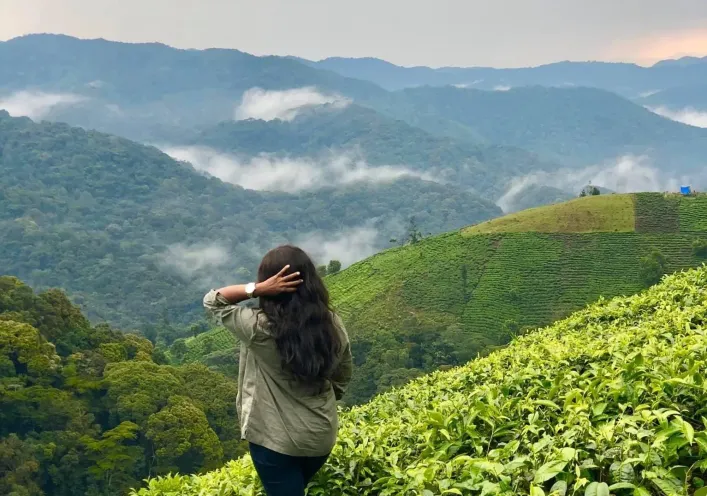
A Typical Day on Safari in Africa : What To Expect . One of the most frequent questions I hear from first-time safari clients isn’t about which park or which animals, it’s simply: what does a day actually look like? It’s a genuinely reasonable thing to wonder, since a safari day follows a rhythm unlike almost any other kind of holiday, built entirely around the natural behaviour of the wildlife you’ve travelled to see, rather than a conventional tourist schedule.
While the specific details vary somewhat by camp, country, and season, the underlying structure remains remarkably consistent across East and Southern Africa alike. This guide walks through exactly what to expect, from the pre-dawn wake-up call through to bedtime.
The Early Wake-Up
Safari days start early, genuinely early, typically between 5:30 and 6am. Camp staff will usually offer a gentle wake-up knock, often bringing a tray of tea or coffee directly to your room to ease the early start. It’s worth laying out your clothes and camera gear the night before, since mornings move quickly once the day begins.
The reasoning is entirely practical: wildlife is most active during the cooler hours of early morning and late afternoon, retreating to shade and rest during the heat of the day. Every element of a safari day’s structure exists to work with this natural rhythm rather than against it.
A Light Bite Before Heading Out
Before the morning game drive, most camps offer a light pre-breakfast, coffee, tea, juice, and something simple like muffins or biscuits, just enough to sustain you until a proper breakfast later, either back at camp or out in the bush. This isn’t the main meal of the day, so don’t expect a full spread at this hour.
The Morning Game Drive
Morning game drives typically depart between 6 and 6:30am and run three to five hours, timed around when wildlife activity peaks and extended whenever a guide finds genuinely compelling action worth lingering over. You’ll head out in an open-sided 4×4 with your guide, and often a dedicated tracker, scanning the landscape as the sun rises and the bush comes alive.
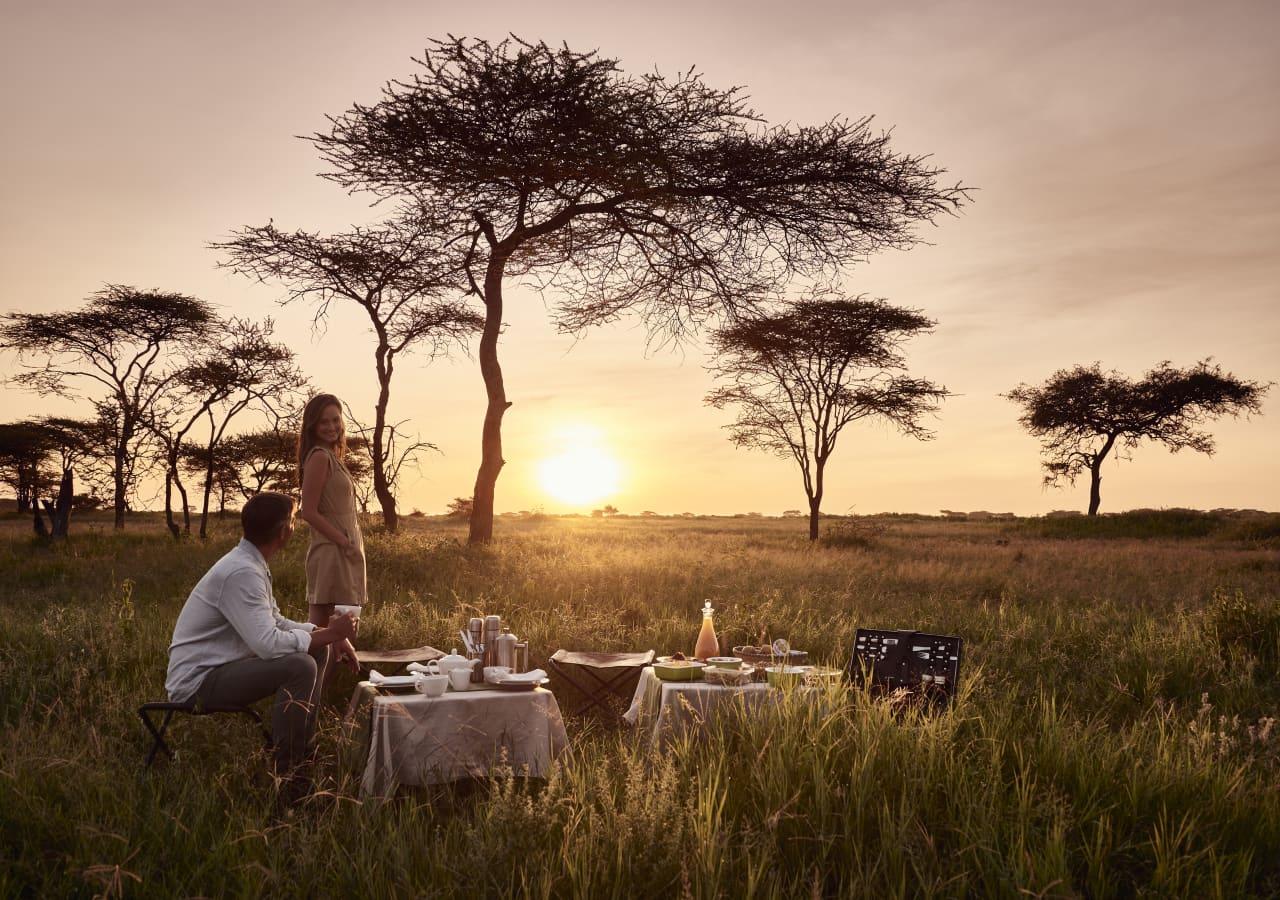
Mornings can be genuinely cold even in destinations that feel hot by midday, so layering matters: a base layer, a warm jacket or fleece, and a hat or scarf within easy reach. Many camps build a full bush breakfast into the morning drive itself, a proper spread set up at a scenic spot out in the wilderness, a genuinely memorable change of pace from eating back at camp.
Breakfast Back at Camp
If your camp doesn’t build breakfast into the drive itself, you’ll return to a full spread waiting for you: cereals, yoghurt, fresh fruit, pastries, and a cooked option ranging from a full English-style breakfast to eggs made to order, alongside coffee, tea, and fresh juice. In parts of Southern Africa specifically, some camps favour a later, more substantial brunch instead, effectively combining breakfast and lunch into one leisurely mid-morning meal.
Midday: Genuine Rest, Not Wasted Time
The hottest part of the day, roughly mid-morning through early afternoon, sees wildlife activity drop off considerably, making this genuinely your time to relax rather than a gap to fill. Most guests use this stretch for a nap, a swim in the camp pool, reading, reviewing the morning’s photographs, or simply enjoying the camp’s own surroundings and any resident wildlife visible from the lodge itself.
Lunch is typically served between roughly 1 and 3pm, a lighter, more relaxed affair than dinner, sandwiches, salads, soup, or a simple pasta dish.
High Tea and Preparing for the Afternoon
Around 3pm, most camps offer a proper high tea, a genuinely charming safari tradition dating back to the unhurried travel style of the nineteenth century, ranging from simple tea and biscuits to a full spread of cake and scones with cream. Even if you’re not particularly hungry, eating a little here is worthwhile, since dinner is still a long way off.
This is also the moment to gather gear for the afternoon: binoculars, a refilled water bottle, your camera, and, if evenings run cool in your specific destination or season, a warmer layer for once the sun goes down.
The Afternoon and Evening Game Drive
The second drive typically departs between 3:30 and 4:30pm and runs three to four hours, timed to catch wildlife becoming active again as the heat eases, and to conclude with sunset. Predators begin stirring from their midday rest and prey animals grow correspondingly more alert as darkness approaches, often making the evening drive just as productive as the morning, with the golden, low-angle light in the final hour before sunset producing some of the day’s most striking photography.
Partway through the drive, your guide will typically find a scenic spot to stop for sundowners, a genuine safari institution: drinks and snacks enjoyed while watching the sun set over the bush. It’s one of the quieter, more reflective moments of the day, and most guests come to treasure it as much as the wildlife sightings themselves.
Returning to Camp
Depending on the property and the specific park’s regulations, some camps offer a short night drive on the way back, using a spotlight to reveal nocturnal wildlife essentially invisible during standard daytime hours, genet, civet, bush baby, and, with luck, nocturnal predators on the move. Back at camp, guests typically have time to freshen up before dinner, though the general dress code on safari remains relaxed throughout.
Dinner and the Evening
Dinner is usually the most substantial meal of the day, often served around 7:30 or 8pm, sometimes as a set menu, sometimes buffet-style, and occasionally as a special bush dinner set up outdoors under the stars. Many camps host an evening talk or presentation on local wildlife and conservation, a genuinely worthwhile way to deepen your understanding of what you’ve seen that day, before guests retire for the night, ready for another early start.
A Sample Daily Schedule
| Time | Activity |
| 5:30-6:00am | Wake-up call, light pre-breakfast |
| 6:00-6:30am | Depart for morning game drive |
| 9:00-10:00am | Return to camp; breakfast (or bush breakfast en route) |
| 10:00am-1:00pm | Free time: rest, swim, relax at camp |
| 1:00-3:00pm | Lunch |
| 3:00pm | High tea; prepare for afternoon drive |
| 3:30-4:30pm | Afternoon/evening game drive, including sundowners |
| 6:30-7:30pm | Return to camp; freshen up |
| 7:30-8:00pm | Dinner, often with an evening wildlife talk |
How Much Flexibility Do You Genuinely Have?
Safaris are more structured than most other holidays, but there’s genuinely more flexibility within that structure than first-timers often expect. On a private safari with your own dedicated guide and vehicle, you can generally shape each day around your own preferences: an earlier or later start, a full-day drive with a bush lunch instead of returning to camp, or a slower, more relaxed pace with fewer activities altogether.
Camp staff and guides are, as a rule, genuinely accommodating, though it’s worth remembering your guide’s working day runs from before dawn until well after dinner, so reasonable requests are always welcome while excessive last-minute demands are worth avoiding out of basic consideration.
How Trekking and Walking Days Differ
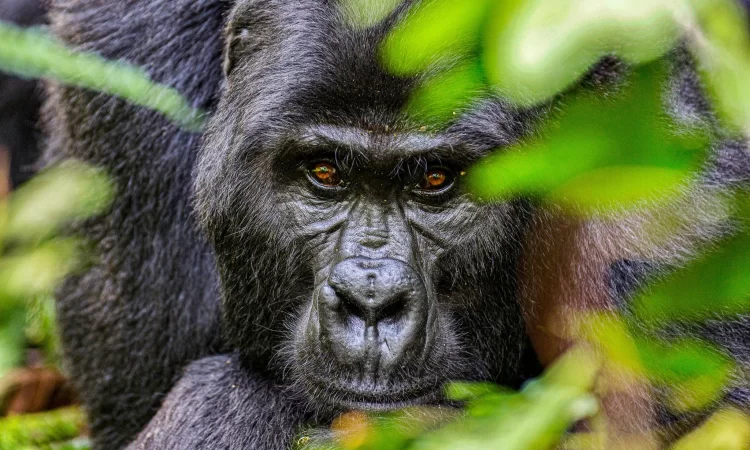
The rhythm described above applies to a classic, vehicle-based game drive safari, but it shifts meaningfully on days built around gorilla or chimpanzee trekking, or guided walking safaris. A gorilla trekking day, for instance, typically begins with an early breakfast followed by a briefing at park headquarters around 7 to 8am, after which the trek itself can last anywhere from thirty minutes to several hours depending on where the group happens to be, followed by a strict, ranger-enforced hour with the animals themselves before the return trek.
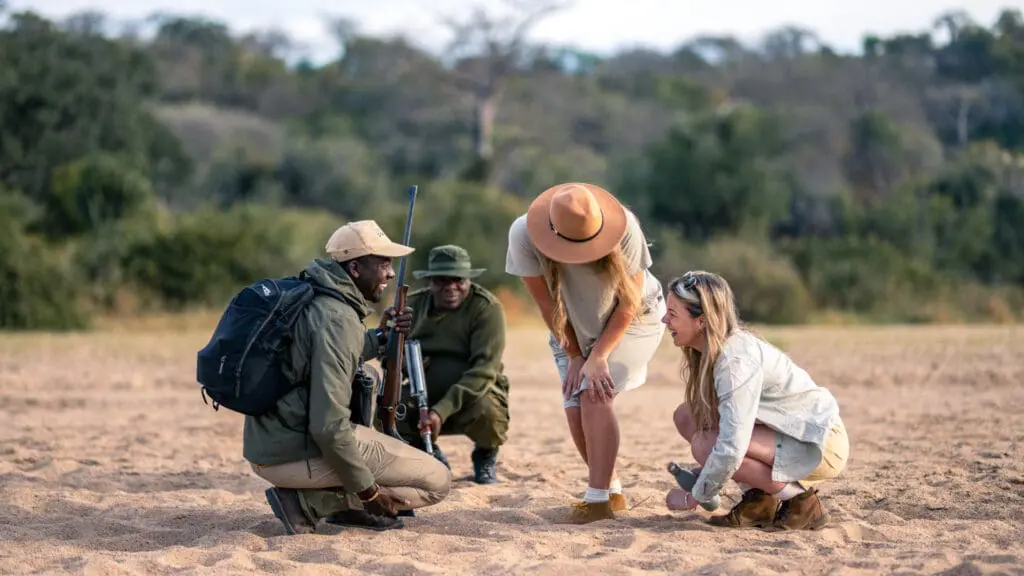
Walking safari days follow a similarly early-start logic but move at a genuinely different pace, covering considerably less ground while spending more time examining tracks, plant life, and smaller details a vehicle simply drives past. If your itinerary mixes standard game drives with one of these specialist activities, ask your operator in advance how that specific day’s schedule will differ, since trekking days in particular run on a considerably less predictable timeline than a routine drive.
How a Day Differs at a Fly-In Bush Camp vs. a Fixed Lodge
Travelers moving between multiple camps on a multi-park itinerary will notice that transfer days follow a genuinely different rhythm from a standard game-drive day. A typical fly-in transfer day involves a shorter, final game drive at your departing camp, a scenic light-aircraft flight to your next destination, often with genuinely spectacular aerial views over the landscape below, and an afternoon game drive on arrival at the new camp, timed to make the most of the remaining daylight. These days feel less structured than a standard full-day itinerary, but they’re rarely wasted, since even the transfer flight itself frequently reveals wildlife and landscape features invisible from ground level.
Understanding Your Guide’s Role Beyond Driving
A genuinely good safari guide does considerably more than simply drive the vehicle: reading animal tracks and behaviour, communicating with other vehicles and camps via radio to share sighting information, interpreting ecological relationships between species, and managing the overall pace and safety of each drive. Building a rapport with your guide, asking questions, sharing what specifically interests you, elephant behaviour, birdlife, predator dynamics, genuinely improves the whole experience, since an engaged guide will tailor the day’s route and pacing toward what matters most to you rather than following a generic, one-size-fits-all circuit.
How Weather and Season Affect the Daily Rhythm
The basic daily structure holds steady year-round, but weather and season genuinely shape its texture. During the dry season, dust becomes a real factor, worth packing a buff or light scarf for, and water sources draw wildlife predictably, often shortening the distance a guide needs to travel to find good sightings. During the wetter months, afternoon showers are common, though mornings typically remain clear, and the lush, green landscape transforms both the scenery and the photography considerably, while some remote roads can become genuinely difficult to navigate after heavy rain, occasionally affecting how far a game drive can safely range that day.
Frequently Asked Questions
How many game drives happen each day on safari?
Most camps run two game drives daily, one in the early morning and one in the late afternoon, timed to coincide with when wildlife is most active. Some properties offer all-day drives with a bush lunch as an alternative structure.
Is it possible to skip a game drive and just relax at camp?
Yes. While the two-drive structure is standard, guests are generally free to skip a drive and simply enjoy the camp’s own facilities, particularly on a longer stay where maximizing every sighting isn’t the sole priority.
What should I wear on a game drive?
Layered clothing in neutral colours works best, since mornings can be genuinely cold even in warm destinations, with temperatures rising quickly once the sun is up. A warm jacket for early departures, alongside a hat and sunscreen for the heat of the day, cover most conditions.
What is a sundowner?
A classic safari tradition: your guide stops the vehicle at a scenic spot during the evening game drive so guests can enjoy a drink and snacks while watching the sunset over the bush.
Can I customize my daily schedule on safari?
Yes, particularly on a private safari with your own vehicle and guide, where the day’s plan can generally be discussed and adjusted the night before. Shared group safaris follow a more fixed schedule, though most camps remain reasonably accommodating within that structure.