

Domestic Flights vs Road Transfers : Getting Around East Africa on a Budget
Domestic Flights vs Road Transfers; The choice between flying and driving between safari destinations is one of the most consequential budget decisions in East Africa trip planning, and it’s genuinely not a simple ‘flights are expensive, roads are cheap’ equation.
Road transfers cost less per leg but consume entire days that could otherwise be spent on safari, while domestic flights cost considerably more upfront but can free up enough time to add an extra night somewhere that matters more to your overall trip. Understanding this trade-off properly, rather than defaulting to one option out of habit, is key to building a genuinely cost-efficient itinerary.
This guide breaks down how domestic flights and road transfers compare across East Africa’s main routes, when each option genuinely makes sense on a budget, and how to think about the true cost of a transfer choice beyond just the ticket or fuel price.
The Real Trade-Off: Money vs Time
Road transfers are, ticket-for-ticket, almost always cheaper than domestic flights for the same route. But the comparison isn’t complete until you factor in what a full travel day actually costs you in trip value: a day spent driving between the Serengeti and the coast is a day not spent on a game drive or relaxing on a beach, and for travellers with limited total trip length, this opportunity cost can matter more than the direct cash saving.
The right answer varies by specific route, trip length and budget. For short, scenic transfers between adjacent parks, road transport is usually the better choice on every dimension, cheaper and often part of the experience itself. For longer transfers between distant regions, particularly anything crossing multiple park boundaries or a significant chunk of a country, flying frequently makes more sense even on a tighter budget, since the time saved can be reallocated to a destination that delivers more value per day than a transfer.
How the Cost and Time Trade-Off Actually Plays Out
A domestic flight within Kenya or Tanzania, connecting major safari hubs like Nairobi, the Masai Mara, Arusha or the Serengeti, typically costs several times more than the equivalent road transfer, but takes a fraction of the time, often forty-five minutes to an hour and a half compared with five to eight hours by road for the same route. For a two-week trip, converting even two of these legs from road to air can free up a full extra day or more of usable safari time.
Road transfers have a genuine non-financial value too: driving between parks often passes through areas with their own wildlife and scenic interest, particularly routes like Nairobi to the Masai Mara via the Great Rift Valley escarpment, or Arusha to the Serengeti via Ngorongoro’s rim. For travellers with time to spare, this makes road transfers not merely a cheaper option but sometimes a genuinely more interesting one.
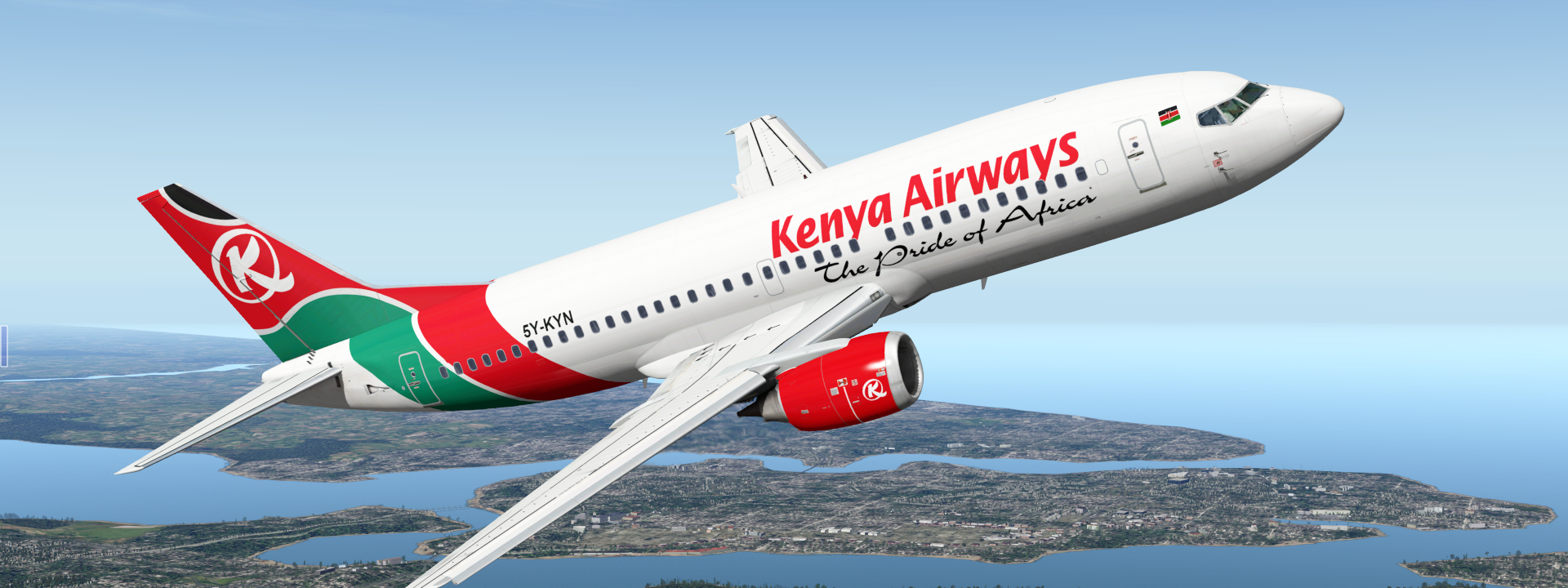
Cross-border transfers, Kenya to Tanzania, or Rwanda to Uganda, behave differently again. Land border crossings are possible but generally slower and less predictable than flying, given border processing time and the generally lower quality of cross-border road infrastructure compared with each country’s internal network. For most multi-country circuits, flying between countries is the more practical choice regardless of budget tier, with road crossings reserved for travellers specifically prioritising the lowest possible cost and comfortable with the added time and unpredictability.
Domestic Flights vs Road Transfers at a Glance
Here is a direct comparison of the two options across the factors that matter most.
| Factor | Domestic Flight | Road Transfer |
| Direct cost | Higher, often 3-6x the road transfer price | Lower; the most budget-friendly option per leg |
| Time required | 45 min – 1.5 hours typically | 5-8+ hours for longer routes |
| Scenic/experiential value | Minimal; mostly transit time | Can be genuinely interesting depending on the route |
| Reliability | Generally reliable, minor weather-related delays possible | Variable; road conditions and traffic can add unpredictable time |
| Best for | Longer distances, shorter overall trips, cross-country connections | Shorter distances, longer overall trips, scenic adjacent-park routes |
Route-by-Route Breakdown
Different East Africa routes favour flying or driving to genuinely different degrees, and understanding the specific routes most travellers consider helps make this decision concretely rather than abstractly.
Nairobi to the Masai Mara
A road transfer takes roughly five to six hours; a flight takes about forty-five minutes. For trips of a week or less, flying is generally worth the premium given how much of a short trip a full day’s driving would consume. For longer trips with time to spare, the road route via the Rift Valley escarpment offers genuine scenic value.
Arusha/Kilimanjaro to the Serengeti
Road transfers typically take six to eight hours depending on the specific route and whether Ngorongoro Crater is included en route; flights take roughly an hour to ninety minutes. Given the Serengeti’s significance within most Tanzania itineraries, flying to preserve time for the park itself is the more common choice among travellers with a moderate to tight overall trip length.
Within the Serengeti-Ngorongoro-Tarangire Circuit
Road transfers between these adjacent parks are standard practice and generally the sensible choice, since the distances are shorter and the driving itself often passes through worthwhile scenery and occasional wildlife sightings.
Kenya to Tanzania (Cross-Border)
Flying between Nairobi and Arusha or Kilimanjaro is the standard, more time-efficient choice for most multi-country circuits. A land border crossing via Namanga is possible and cheaper but adds genuine unpredictability and time given border processing.
Kigali to Volcanoes National Park (Rwanda)
This short, roughly two to three hour road transfer is universally done by road given the short distance, and no meaningful domestic flight alternative exists for this specific route.
How Trip Length Should Influence Your Transfer Choices
The shorter your overall trip, the more each transfer day costs you proportionally, making flights a relatively better value the tighter your schedule.
| Trip Length | Recommended Transfer Approach | Why |
| 5-7 days | Prioritise flights for all but the shortest legs | Every travel day represents a significant share of a short trip |
| 8-12 days | Mix; fly longer legs, drive shorter scenic ones | Enough time to absorb some road transfers without excessive cost |
| 13-18 days | Road transfers become more viable for most legs | Time budget allows genuine road travel without sacrificing destination time |
| 19+ days | Road transfers can dominate; flights reserved for the longest single legs | Ample time makes road travel’s cost savings more attractive |
Calculating the True Cost of Each Option
A genuinely useful budget comparison factors in more than just the direct transport cost.
Direct cost comparison — Flights typically 3-6x road transfer cost per leg
The most straightforward comparison, but incomplete on its own, since it ignores the value of the time saved.
Cost per day of trip time preserved — Flights often ‘cost’ less per preserved day than they first appear
Dividing the flight premium by the number of hours or a full day saved often reveals a more reasonable effective cost, particularly valuable on shorter trips.

Opportunity cost of a lost travel day — Highly variable depending on what you’d otherwise be doing
A travel day lost from a premium lodge stay costing significantly per night represents a larger opportunity cost than a travel day lost from a budget camping stretch.
How Transfer Choice Affects Accommodation Planning
Your transfer method can affect which accommodation makes sense for transition nights specifically.
| Transfer Type | Accommodation Implication |
| Flight connections | Often allows same-day arrival at your next destination, no transition night needed |
| Long road transfers (6+ hours) | May require breaking the journey with an overnight stop partway |
| Cross-border land crossings | Build in buffer time; border delays can affect same-day arrival plans |
Practical Strategies for Managing Transfer Costs
Several specific approaches help optimise the flight versus road decision across a full itinerary.
Reserve Flights for the Longest, Least Scenic Legs
Save your flight budget for genuinely long transfers with limited scenic value, and use road transport for shorter, more interesting routes where the driving itself adds something to the trip.
Book Domestic Flights Well in Advance for Better Rates
Domestic flight pricing within Kenya and Tanzania does respond to advance booking to some degree, and securing seats a few months ahead, rather than booking last minute, generally secures better rates.
Combine Road Transfers with a Scenic Stop
If choosing a road transfer specifically to save cost, look for a route that includes a worthwhile stop along the way, a viewpoint, a cultural site, a shorter park visit, turning transit time into genuine trip value rather than pure travel.
Check Actual Flight Frequency Before Assuming Easy Connections
Not every route has daily flights, and some connections require an overnight stay in a hub city regardless of preference, which should be factored into the overall time and cost comparison.
| Strategy | Benefit |
| Reserve flights for long, unscenic legs | Maximises value from the flight premium you do pay |
| Book flights well in advance | Better rates than last-minute booking |
| Combine road transfers with a scenic stop | Converts transit time into genuine trip value |
| Check actual flight frequency | Avoids assuming a connection is easier than it actually is |
Building Your Transfer Plan
Map out your full itinerary first, then go route by route and apply the trip-length guidance above: shorter trips lean toward flights for all but the shortest legs, longer trips can absorb more road transfers without proportionally sacrificing destination time.
Discuss the flight versus road question specifically with your operator for each leg of a multi-park circuit, since local knowledge of current road conditions, flight schedules and realistic drive times, which can vary from what a map suggests, meaningfully improves the accuracy of this planning.
Recommendations by Route Type
Here is a direct guide to the generally recommended approach for common East Africa route types.
| Route Type | Recommended Approach | Why |
| Adjacent parks within the same circuit | Road transfer | Shorter distances, often scenic, minimal time cost |
| Long single-country legs (e.g. Nairobi-Mara) | Flight, especially on shorter trips | Time saved outweighs the cost premium for most travellers |
| Cross-border connections | Flight, unless specifically minimising cost above all else | More reliable and time-efficient than land border crossings |
| Short, fixed-distance transfers (e.g. Kigali-Volcanoes NP) | Road transfer (no flight alternative exists) | The only practical option for this specific route |
Frequently Asked Questions
Is it worth paying for a domestic flight on a budget safari?
Often yes, particularly on shorter trips where a full travel day represents a significant proportion of your total time. The flight premium can be worth it when measured against the value of the day it preserves.
How long does the road transfer from Nairobi to the Masai Mara take?
Roughly five to six hours depending on road conditions and the specific route taken, compared with about forty-five minutes by domestic flight.
Should I cross the Kenya-Tanzania border by land or fly?
Flying between Nairobi and Arusha or Kilimanjaro is generally the more time-efficient and predictable choice. A land crossing via Namanga is cheaper but adds genuine time and some unpredictability given border processing.
Do domestic flight prices in East Africa change with advance booking?
Yes, to some degree, and booking a few months ahead generally secures better rates than booking at the last minute.