Best Sustainable Travel Tips for an African Safari; A well-planned African safari is, quite genuinely, one of the most constructive ways to travel sustainably anywhere in the world. Rather than adding pressure to overrun tourist hotspots, safari travel channels conservation fees—a small tariff already worked into the cost of most safaris— directly to national parks or indigenous landowners, financing wildlife protection while giving local communities a genuine, tangible incentive to safeguard Africa’s ecosystems. Understanding how to travel even more responsibly within that framework, however, makes a real, measurable difference.
As a travel consultant, I find most clients genuinely want to travel sustainably but aren’t always sure what that looks like in practice beyond vague good intentions. This guide walks through concrete, current steps for a genuinely more sustainable African safari in 2026 and beyond.
Choose Lodges With Genuine, Verifiable Sustainability Credentials
Not every property that claims to be “eco-friendly” provides substantial evidence for that claim, so it’s worth asking specific, pointed questions before booking: How does this camp or lodge minimize its resource use and environmental impact? Are the operators involved in any carbon offsetting programs? Do they support specific environmental or conservation initiatives you can verify independently? Genuine answers to these questions distinguish real sustainability commitments from marketing language.
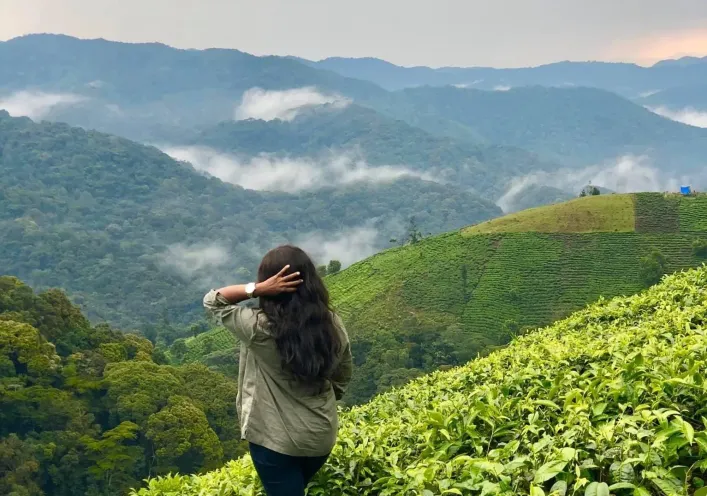
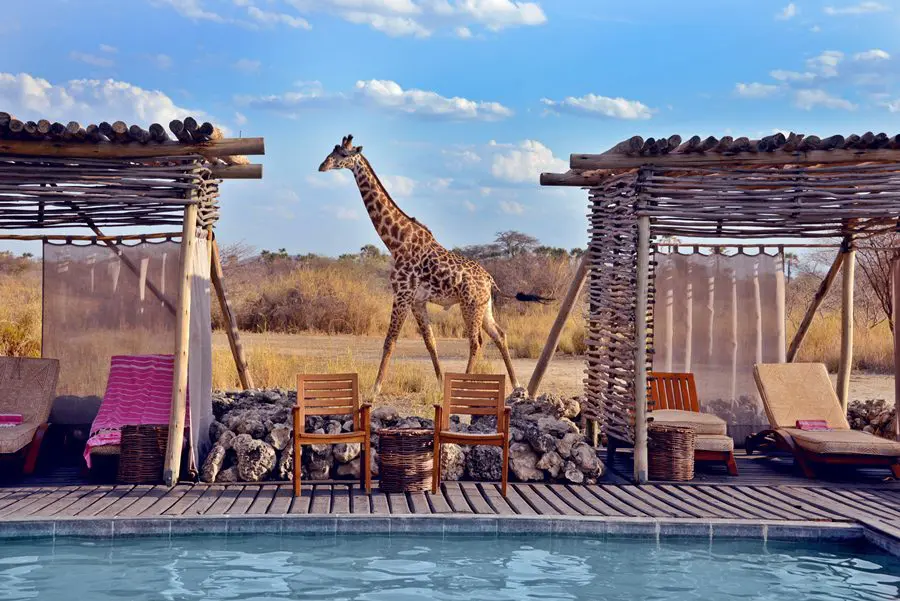
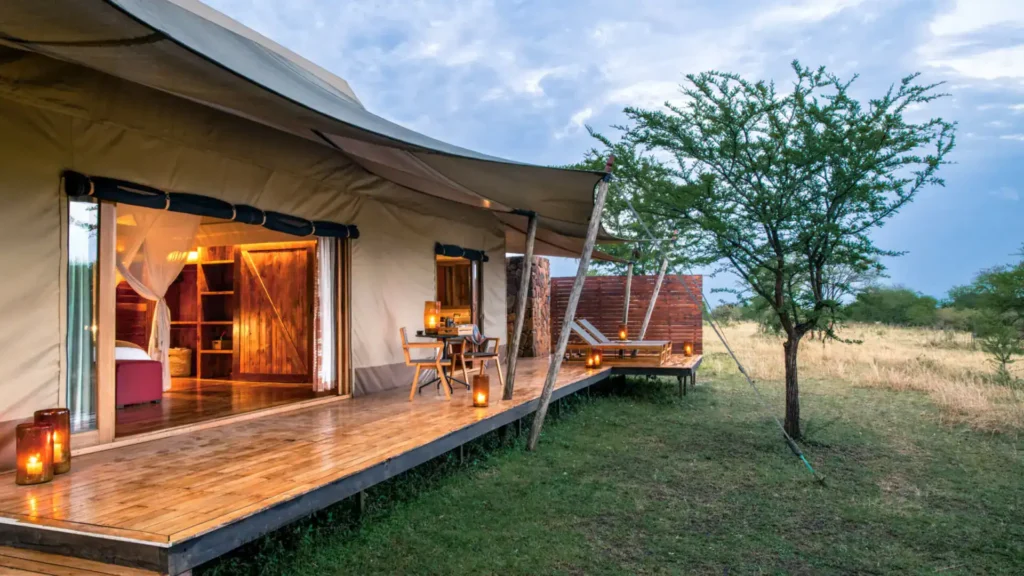
Kenya’s Campi ya Kanzi, near Amboseli National Park, offers a genuinely strong example: the lodge runs entirely on solar power, and the Maasai community that owns the surrounding land uses proceeds from conservation fees to fund local schools and clinics directly. Tanzania’s Sayari Camp earned a Gold Award at the 2022 World Responsible Tourism Awards for its solar-powered water brewery, eliminating the need for plastic bottled water and meaningfully lowering carbon emissions in the remote Serengeti. Uganda’s newly opened Erebero Hills, on the edge of Bwindi Impenetrable Forest, pioneers low-impact construction using on-site CoolBricks, an eco-friendly alternative to conventionally fired bricks, while directly supporting local livelihoods and community initiatives.
Look for Electric Safari Vehicles.
Kenya’s safari industry is leading a genuine shift toward electric game-drive vehicles, running on solar-charged batteries and producing zero emissions, delivering a cleaner, quieter, and arguably more immersive wildlife-viewing experience than a conventional diesel vehicle. This represents a genuinely significant step toward reducing tourism’s carbon footprint while maintaining, and in some ways enhancing, the connection to nature that makes a safari worthwhile in the first place, since electric vehicles allow guests to hear the surrounding bush considerably more clearly.
Take Fewer Long-Haul Flights and Fewer Internal Flights
One of the simplest, most impactful ways to reduce your safari’s carbon footprint is genuinely straightforward: take fewer long-haul flights overall, and where possible, minimize the number of internal flights within your specific itinerary. Choosing to base your entire trip within one or two safari parks rather than hopping between numerous, more distant destinations not only reduces your carbon emissions but also tends to produce a more affordable, more immersive trip, since you spend more time actually experiencing a single ecosystem rather than in transit between several.
For itineraries genuinely requiring multiple internal flights, several operators now offer carbon-neutral packages, including a donation to local reforestation projects built directly into the booking fee, a worthwhile option to ask about specifically when planning a longer, multi-park circuit.
Support Africa’s Plastic-Reduction Momentum
Africa is genuinely leading much of the world in the fight against single-use plastics: thirty-four African nations have either passed and implemented a law banning single-use plastics or passed one with clear intention of implementation. Tanzania, Uganda, Kenya, Rwanda, Malawi, and Zambia are among the clear frontrunners in this effort. Travelers can support this momentum directly by bringing a reusable water bottle and refusing single-use plastic wherever offered, choosing lodges with their own water purification or bottling systems, like Sayari Camp’s solar-powered brewery, rather than relying on bottled water throughout a trip.
Visit Community-Owned Conservation Initiatives.
Seeking out genuinely community-owned and community-led conservation projects, rather than purely commercial wildlife attractions, channels your tourism spending directly toward the people whose land and stewardship make wildlife conservation possible in the first place. Kenya‘s Namunyak Wildlife Conservancy offers genuine insight into how the Samburu people coexist with elephants across a shared landscape, and a visit to the nearby Reteti Elephant Sanctuary, Africa’s first community-owned and run elephant orphanage, is a genuinely worthwhile addition to any sustainability-focused Kenya itinerary.
In Botswana’s Okavango Delta, lodges frequently support initiatives including the Botswana Predator Conservation Trust, the Okavango Community Trust, and local basket-weaving projects empowering women artisans to create and sell traditional crafts, giving guests a direct, tangible way to see their conservation fees translated into concrete community benefit.
Choose Fewer Destinations, Stay Longer at Each
Selecting just one or two safari parks or reserves for your entire trip, rather than a rushed, multi-stop circuit, is a genuinely effective way to travel more sustainably while also enjoying a more affordable, considerably less exhausting trip. Staying longer at fewer destinations reduces the internal flights and long transfers that drive up a trip’s carbon footprint, and it also tends to produce a richer, more meaningful experience of whatever ecosystem you choose to focus on, rather than a superficial, checklist-style tour of multiple parks.
Look for Renewable Energy and Water Conservation in Lodge Infrastructure
Genuinely sustainable lodges increasingly rely on solar farms for some or all of their energy needs, rainwater harvesting systems to reduce overall water consumption, and biogas plants that convert organic waste into cooking gas, while also using local natural materials and traditional craftsmanship instead of imported, high-carbon building supplies. Asking specifically about these infrastructure choices, rather than assuming any luxury property has adopted them, helps ensure your accommodation choices genuinely align with your sustainability priorities.
Employment and Training for Local Communities
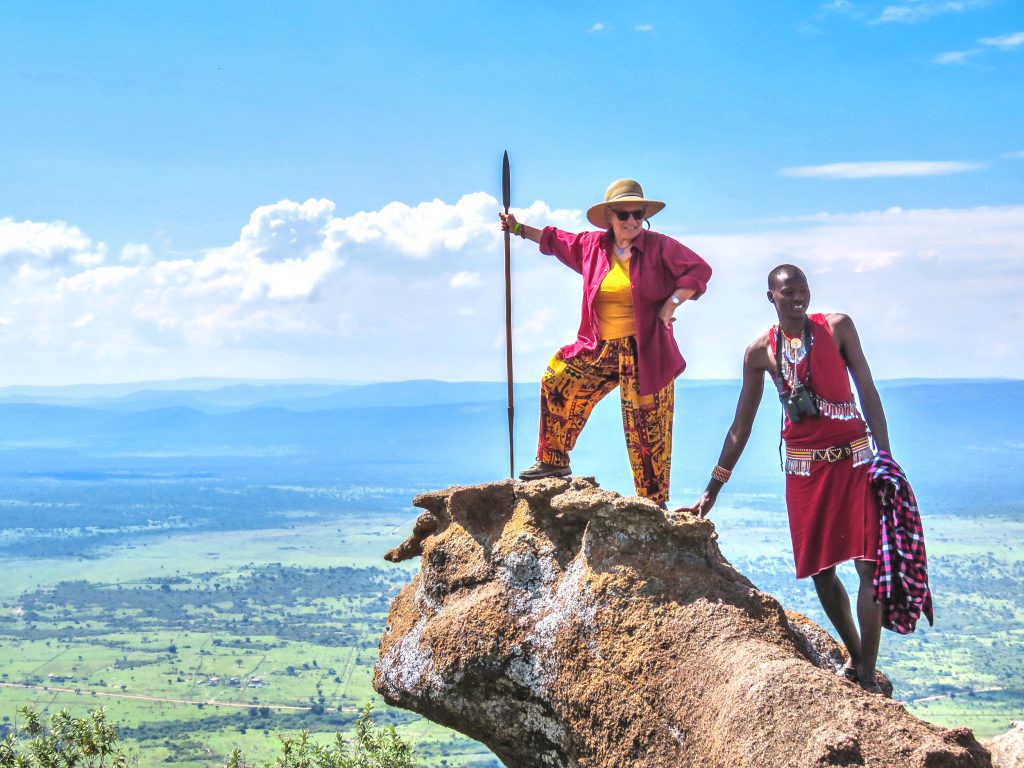
Beyond environmental measures, genuine sustainability includes economic sustainability for the communities surrounding safari destinations. Look for lodges that work directly with local community organizations to provide employment, training, and educational opportunities, rather than importing staff entirely from outside the region. This kind of investment in the area makes the case for conservation stronger in the communities around it, which supports the larger argument that protecting wildlife really helps the people who live near it.
Travel During Shoulder or Off-Peak Seasons
Traveling during shoulder or off-peak seasons genuinely supports more sustainable safari tourism in several ways: it reduces pressure on popular parks and their infrastructure during peak crowding, spreads tourism revenue more evenly across the calendar year for local communities and lodges, and typically delivers meaningfully lower rates for travelers willing to accept a slightly less predictable wildlife-viewing window in exchange.
A Quick Sustainability Checklist
| Action | Why It Matters |
| Ask lodges specific sustainability questions before booking. | Distinguishes genuine commitments from marketing claims |
| Choose electric safari vehicles where available. | Reduces emissions, improves the overall wildlife experience |
| Minimize internal flights; base your trip in fewer locations. | Meaningfully reduces your trip’s overall carbon footprint |
| Bring a reusable water bottle. | Supports Africa’s leading single-use plastic reduction efforts |
| Visit community-owned conservation initiatives. | Channels tourism spending directly to local stewards |
| Travel shoulder/off-peak season | Reduces pressure on popular parks, spreads community benefit |
Working With a Consultant Who Prioritizes This
Ultimately, the single most effective step toward a genuinely sustainable safari is working with a consultant or operator who takes these questions seriously and can point to specific, verifiable examples across their recommended lodges, rather than assuming general good intentions will translate into meaningful outcomes. Eco-tourism plays a genuinely essential role in educating travelers, funding ecological conservation, supporting local economic development, and fostering respect for different cultures, and a well-planned safari remains one of the most constructive, high-impact ways to support that mission directly.
Water Conservation on Safari: A Traveler’s Personal Role
Beyond choosing lodges with strong water infrastructure, individual travelers can genuinely reduce their own water footprint during a safari stay. Many remote camps rely on borehole water or rainwater harvesting, resources genuinely limited in the arid and semi-arid landscapes where much of East and Southern Africa’s best wildlife viewing takes place. Shorter showers, reusing towels rather than requesting daily replacement, and being mindful of laundry requests all make a genuine, cumulative difference across a multi-night stay, particularly at properties without large-scale water recycling systems in place.
Some lodges now display their daily water usage transparently to guests, a genuinely useful practice that helps travelers understand the real resource cost of their stay and adjust their habits accordingly, rather than assuming water use in a remote camp carries the same environmental cost as at home.
Supporting Anti-Poaching and Wildlife Protection Directly
Many lodges and conservancies now offer guests the chance to directly observe, or in some cases participate in, anti-poaching and wildlife monitoring work: joining a ranger patrol briefing, meeting a conservancy’s tracker dog unit, or contributing to a specific research project through a small additional donation. These experiences genuinely deepen a traveler’s understanding of what safari tourism revenue actually funds day to day, moving the conservation story from an abstract line item on your invoice to something tangible and directly observed.
For travelers wanting to extend their support beyond the trip itself, many conservancies and lodges maintain ongoing donor programs supporting specific initiatives, anti-poaching units, community schools, or species-specific research that welcome continued contribution long after a safari has ended, a genuinely meaningful way to maintain a connection to a destination that made a real impression.
Choosing Ground Transport and Domestic Travel Wisely
Beyond the flights themselves, the choice of ground vehicle within a safari matters too. Increasingly, tour operators offer shared vehicle options for game drives rather than defaulting every guest to a fully private vehicle, meaningfully reducing per-guest fuel consumption and emissions across a multi-day stay without genuinely compromising the wildlife-viewing experience itself, given how most sightings are shared regardless of vehicle configuration. Asking your operator directly about shared versus private vehicle options and their relative environmental and cost implications is a reasonable, worthwhile question when planning a genuinely sustainability-conscious trip.
A Final Word on Genuine Impact vs. Greenwashing
As sustainability has become a genuine selling point across the safari industry, the gap between meaningful action and surface-level marketing has widened correspondingly. The most reliable way to distinguish the two remains asking specific, verifiable questions rather than accepting general claims: exactly how much of my conservation fee reaches the local community, what percentage of the lodge’s energy is genuinely renewable, and can the operator name a specific, ongoing project my stay directly supports? A property or operator confident in its genuine impact will answer these questions readily and specifically; one relying primarily on marketing language often cannot.
Frequently Asked Questions
Are conservation fees the same as park entrance fees?
Conservation fees are typically built directly into the cost of your safari and are transferred to national parks or indigenous landowners, directly financing wildlife protection and giving local communities a tangible incentive to protect ecosystems, distinct from standard park entrance tickets.
Do electric safari vehicles compromise the safari experience?
No, if anything, they enhance it. Electric vehicles are quieter, allowing guests to hear the surrounding bush more clearly while producing zero emissions during game drives.
How can I verify a lodge’s sustainability claims before booking?
Ask specific questions about resource use, carbon offsetting programs, and community conservation support, and look for verifiable, third-party recognitions like the World Responsible Tourism Awards rather than relying on marketing language alone.
Does traveling sustainably mean sacrificing luxury?
No. Properties like Campi ya Kanzi and Sayari Camp demonstrate that high-end accommodation and genuine environmental responsibility can coexist without compromise.
What’s the single most impactful sustainability choice I can make for my safari?
Choosing fewer destinations and staying longer at each, minimizing internal flights, is widely considered one of the most effective ways to reduce your trip’s carbon footprint while also producing a richer, more affordable experience.