What to Wear for Gorilla Trekking in Uganda and Rwanda | Packing List
What to Wear for Gorilla Trekking in Uganda and Rwanda? Gorilla trekking is one of the most extraordinary wildlife experiences on earth, but it is also a genuine hike through some of the most demanding terrain in Africa.
The mountain rainforests of Uganda’s Bwindi Impenetrable National Park and Rwanda’s Volcanoes National Park are steep, wet, muddy, tangled with vegetation, and often cold in the early morning before warming up as the day goes on. What you wear on trekking day has a direct effect on how much you enjoy the experience, and arriving in the wrong clothing is one of the most common and most avoidable mistakes visitors make. The right outfit keeps you warm, dry, protected from stinging nettles and biting insects, and comfortable enough to focus on the gorillas rather than your own discomfort.
The good news is that dressing correctly for gorilla trekking is not complicated or expensive. You do not need specialist mountaineering gear or a wardrobe of technical clothing. What you need is a sensible combination of layers, sturdy footwear, and a few key protective items, most of which many travellers already own or can pick up easily before their trip.
The principles are the same whether you are trekking gorillas in Uganda or Rwanda, because the two parks share a similar high-altitude rainforest environment on the same chain of mountains.
This guide covers everything you need to know about what to wear for gorilla trekking in Uganda and Rwanda, from the ideal clothing layers and footwear to colours, materials, and the accessories that make a real difference. Get your clothing right, and you free yourself to focus entirely on the once-in-a-lifetime hour you will spend with the gorillas.
Understanding the Conditions You Are Dressing For
Before getting to specific items, it helps to understand the environment. Both Bwindi and Volcanoes National Park sit at high altitude, generally between 1,500 and 3,000 metres, in dense tropical mountain rainforest.
Mornings are often cool or even cold, with mist hanging in the trees, but as you climb and the sun rises, it can become warm and humid. Rain is possible at any time of year, and these are rainforests precisely because it rains a great deal, so you should always be prepared for wet conditions even in the dry season.
The terrain itself is steep and slippery, with thick vegetation, hidden roots, uneven ground, and plenty of mud. The forests contain stinging nettles, thorny plants, biting ants, and other insects, all of which make covering your skin important.
The trek to find the gorillas can last anywhere from under an hour to seven or eight hours, so you need clothing that works over a long, physically demanding day across changing temperatures. In short, you are dressing for cold and warm, wet and dry, and rough vegetation, all in a single outing. Layering and protection are the guiding principles.
Dress in Layers:
The single most important concept for gorilla trekking clothing is layering. Because temperatures change so much over the course of the trek, from a cold misty start to a warm, sweaty climb, a single heavy garment will never serve you well. Instead, wear several lighter layers that you can add or remove as needed. This lets you stay warm at the chilly briefing point, cool down as you exert yourself on the climb, and warm up again if you stop or if the weather turns.
The Three-Layer System
- Base layer: a lightweight, moisture-wicking long-sleeved top worn against the skin. Synthetic fabrics or merino wool draw sweat away and dry quickly, keeping you comfortable. Avoid cotton, which soaks up moisture and stays cold and wet against your skin.
- Mid layer: a light fleece or long-sleeved shirt for warmth in the cool morning air, easily removed and stashed in your daypack as you heat up.
- Outer layer: a waterproof, breathable rain jacket to protect against rain and wind. This is essential, not optional, given how quickly the forest weather can change.
With this system you can adapt continuously to the conditions. Most trekkers start with all three layers on at the briefing, shed the mid layer and sometimes the base down to a single shirt during the hard climbing, and pull the rain jacket back on when the showers arrive. The ability to regulate your temperature this way makes an enormous difference to your comfort over a long trek.
Long Trousers and Long-Sleeved Tops Are Essential
Whatever the temperature, you should always wear long trousers and long sleeves for gorilla trekking. This is not about warmth alone; it is about protection. The forest is full of stinging nettles that can leave your skin burning for hours, thorny undergrowth that scratches, and biting insects including safari ants that can find any exposed skin. Long, durable trousers and a long-sleeved top form your first line of defence against all of these.
Choose trousers made from tough but comfortable material that allows movement, such as lightweight hiking trousers or convertible safari trousers. Many trekkers tuck their trouser legs into their socks, which looks unglamorous but is highly effective at keeping ants, seeds, and debris out of your boots and away from your ankles. Your long-sleeved base and mid layers cover your arms. Avoid shorts and short sleeves entirely; the brief comfort of bare skin is not worth the nettle stings and insect bites you will collect in the undergrowth.
Footwear:
If there is one item to get right above all others, it is your footwear. The terrain in Bwindi and Volcanoes National Park is steep, muddy, and slippery, and the wrong shoes can turn the trek into a miserable, hazardous slog. What you want is a pair of sturdy, waterproof hiking boots with good ankle support and aggressive grippy soles. Ankle support protects you on the uneven ground and steep slopes, the waterproofing keeps the mud and wet vegetation out, and the grip keeps you upright on slippery inclines.
Critically, your boots must be worn in before your trip. New boots that have never been broken in are a recipe for painful blisters over a long trek, so buy them well in advance and wear them on several walks at home first.
Pair them with good-quality hiking socks, ideally moisture-wicking wool or synthetic, and consider bringing a spare pair to change into. Some trekkers also wear gaiters over their boots and lower legs for extra protection against mud and ants. Trainers, sandals, and fashion boots have no place on a gorilla trek; proper hiking boots are non-negotiable.
Choose the Right Colours
Colour matters more than most first-time trekkers realise. The general guidance is to wear neutral, natural colours such as khaki, green, brown, beige, and grey. These earthy tones blend into the forest environment and are less likely to disturb the gorillas or other wildlife. They also hide the inevitable mud far better than pale colours.
Avoid bright, bold colours, which can startle or agitate the gorillas and look out of place in the forest. It is also widely advised to avoid black and dark blue clothing where possible, because these colours attract tsetse flies, whose bites are painful.
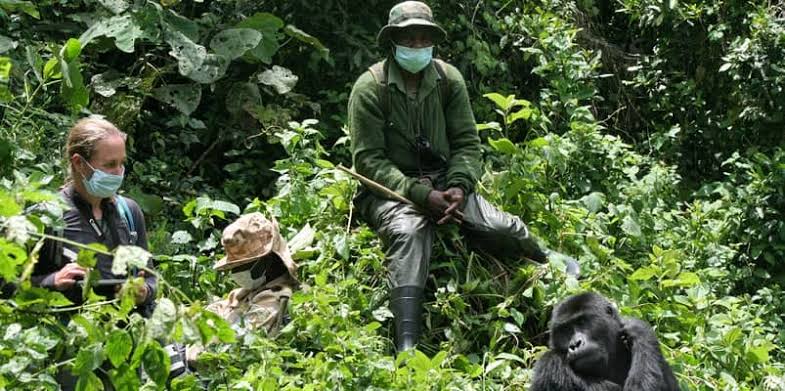
Camouflage-patterned clothing should be avoided too, as in Uganda, Rwanda, and many African countries it is associated with the military and is sometimes restricted for civilians. Stick to plain, muted, natural tones and you will be dressed appropriately for both the wildlife and the setting.
| Wear These Colours | Avoid These Colours |
| Khaki, olive green, brown | Bright red, orange, yellow |
| Beige and tan | Black and dark blue (attract tsetse flies) |
| Grey and muted earth tones | Camouflage patterns (military association) |
Choose the Right Materials
The fabric your clothing is made from matters as much as its cut. The forest is humid and often wet, and you will sweat on the climb, so you want materials that manage moisture well. Lightweight, quick-drying synthetic fabrics such as polyester and nylon, or natural merino wool, are ideal because they wick sweat away from your skin and dry quickly if they get wet.
The material to avoid is cotton. Cotton absorbs water and sweat, holds onto it, and stays cold and damp against your skin, which can leave you chilled and uncomfortable for hours. A cotton t-shirt that gets soaked in a downpour or with sweat will not dry during the trek and will make you cold.
This is why experienced trekkers choose technical hiking fabrics for their base and mid layers. Your outer shell, meanwhile, should be genuinely waterproof and breathable so that it keeps rain out while letting sweat vapour escape.
Essential Accessories to Complete Your Outfit
Beyond the core clothing, a handful of accessories round out the ideal gorilla trekking outfit and can make a real difference to your comfort and protection in the forest.
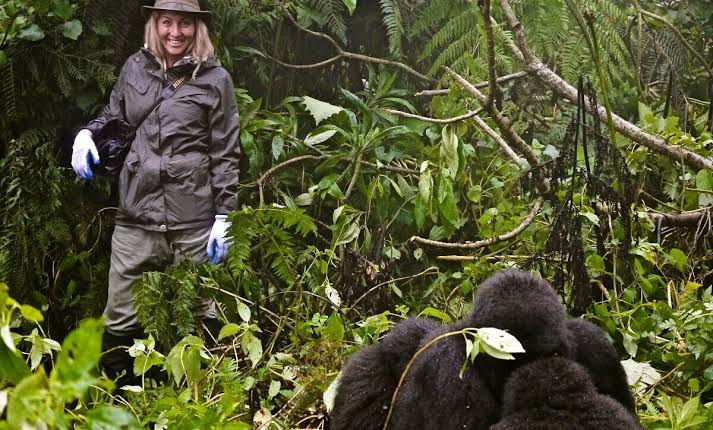
- Gardening or thick gloves: perhaps the most underrated item. You will constantly grab branches, vines, and vegetation to steady yourself on steep, slippery slopes, and sturdy gloves protect your hands from thorns, nettles, and rough bark.
- A wide-brimmed hat or cap: protects against sun in the open sections and rain and dripping foliage under the canopy.
- Long, thick socks: worn pulled up with trouser legs tucked in, they guard against ants, nettles, and debris, and cushion your feet inside your boots.
- Gaiters: optional but excellent for keeping mud, water, and insects out of your boots and off your lower legs.
- A light pair of glove liners or warm gloves: useful for the cold early morning before the climbing warms you up.
- A neck buff or scarf: versatile for warmth, sun protection, or keeping dust and insects at bay.
What to Carry in Your Daypack
While not clothing exactly, what you carry supports your outfit and your comfort on the trek. A small, comfortable daypack is essential for stowing the layers you remove as you warm up and for carrying your essentials. Pack a waterproof cover or dry bag to protect the contents, especially your camera, from rain and moisture.
- Plenty of drinking water, at least two litres, as the trek is strenuous and can last many hours.
- Snacks or a packed lunch to keep your energy up over a long day.
- A rain poncho or spare waterproof layer in case the weather turns.
- Insect repellent to apply to any exposed skin and over clothing.
- Sunscreen for the open, higher-altitude sections where the sun is strong.
- Your camera, with spare batteries and memory cards, and no flash, kept in a waterproof bag.
- A spare pair of dry socks, and a small personal first-aid kit.
A final tip that many experienced trekkers swear by: hire a porter. For a modest fee, a local porter will carry your daypack, help you over the toughest sections, and give you a free hand for balance and photography. Hiring a porter also puts income directly into the local community and supports the people who live alongside the gorillas, making it a small choice with a genuinely positive impact.
A Simple Gorilla Trekking Clothing Checklist
- Moisture-wicking long-sleeved base layer (synthetic or merino, not cotton)
- Light fleece or shirt as a midlayer
- Waterproof, breathable rain jacket
- Durable long hiking trousers in a neutral colour
- Sturdy, waterproof, worn-in hiking boots with ankle support
- Thick moisture-wicking hiking socks, plus a spare pair
- Gardening or thick protective gloves
- Wide-brimmed hat or cap
- Gaiters (optional but recommended)
- Small daypack with waterproof cover
- Neutral colours throughout; no bright shades, black, dark blue, or camouflage