Volcanoes and Nyungwe National Park Safari: The Complete Primate Circuit; Combining Volcanoes National Park with Nyungwe Forest gives travellers Rwanda’s most complete primate-focused itinerary: mountain gorilla trekking on the bamboo-covered slopes of the Virunga volcanoes, paired with chimpanzee tracking and a dozen other primate species in Africa’s oldest surviving rainforest.
This is the single most popular multi-park combination in Rwanda, and for good reason: both parks are built around forest primate encounters, both reward genuine physical engagement with the landscape, and together they cover the full spectrum of what makes Rwanda one of the world’s premier primate destinations.
This guide covers how to combine Volcanoes National Park and Nyungwe Forest effectively: the logistics of connecting the two, what each specifically contributes, how long to allocate to each, and the planning considerations, particularly gorilla permit booking timing, that make the difference between a well-sequenced circuit and a rushed one.
Why Combine Volcanoes and Nyungwe?
This is the most natural and most commonly built combination in Rwanda tourism, and the reason is straightforward: both parks are primate-focused, both reward genuine time and patience, and together they cover Rwanda’s two headline primate experiences, mountain gorillas and chimpanzees, alongside golden monkeys, Rwenzori colobus and a dozen other species across the two parks combined. For most first-time Rwanda visitors whose primary motivation is gorilla trekking, adding Nyungwe extends the trip meaningfully without diluting the core gorilla experience.
This combination suits travellers who want Rwanda’s full primate range within a single trip, who have the time (typically ten to fourteen days) to do both parks justice, and who are drawn as much to chimpanzee tracking and forest immersion as to the mountain gorilla encounter itself.
Understanding What Each Park Contributes
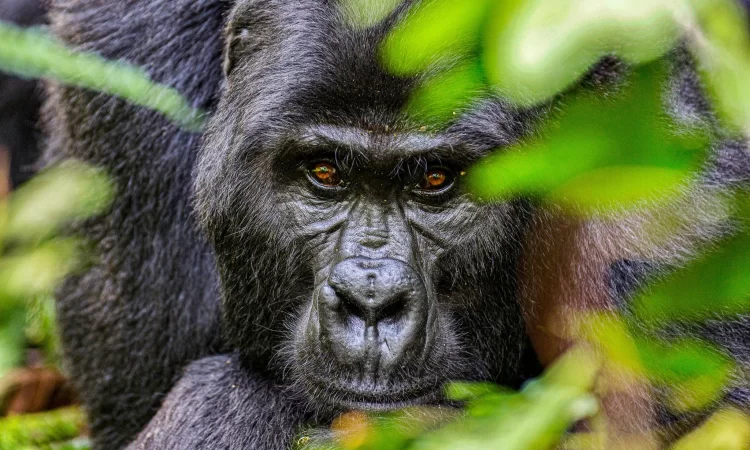
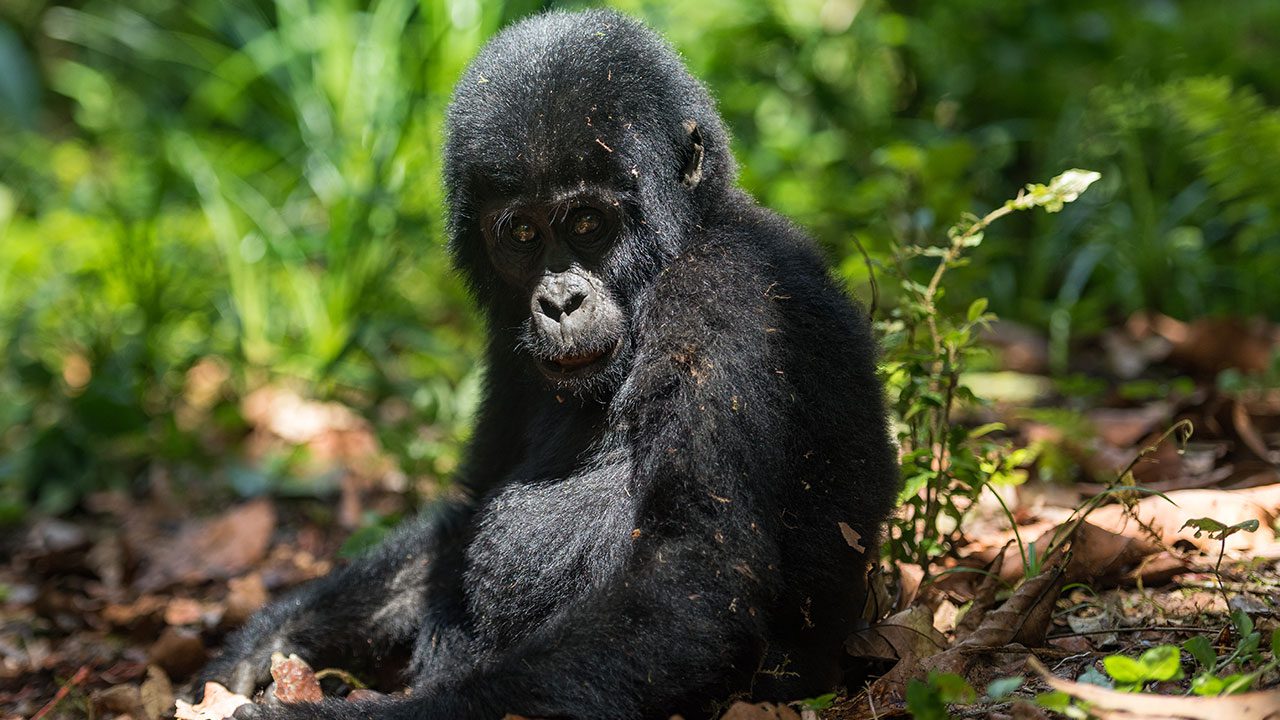
Volcanoes National Park’s defining experience is, of course, mountain gorilla trekking, one of the most extraordinary wildlife encounters available anywhere on earth, alongside golden monkey trekking in the same bamboo forest habitat and volcano hiking on Bisoke, Karisimbi, Gahinga or Muhabura. The park’s genuinely excellent birding, with around 200 species including the striking Rwenzori Turaco, adds further depth for travellers with time for a dedicated birding walk alongside the primate trekking.
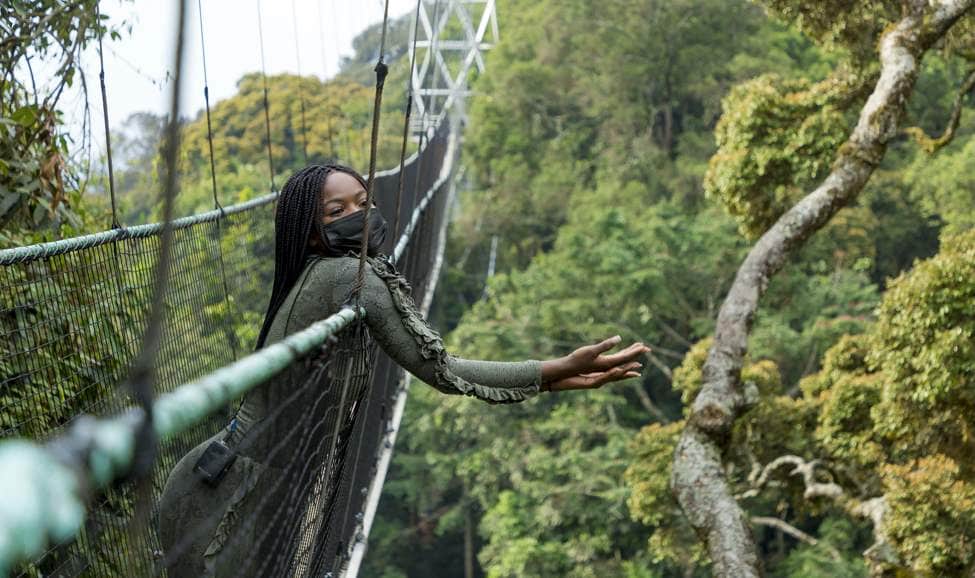
Nyungwe Forest is Africa’s oldest rainforest, having survived largely intact through multiple ice ages, and it holds thirteen primate species, the highest concentration in Africa, including chimpanzees, troops of Rwenzori colobus that can number over 300 individuals, L’Hoest’s monkey, and a range of smaller primates. Its canopy walkway, suspended above the forest floor, is one of the most distinctive activities available in Rwanda, and its birdlife, with around 310 recorded species including a strong representation of Albertine Rift endemics, rivals or exceeds Volcanoes National Park’s own bird list.
Together, these two parks give a genuinely comprehensive picture of Rwanda’s forest primate ecosystems: the high-altitude bamboo and montane forest of the Virunga volcanoes, and the vast, ancient lowland-to-montane rainforest of Nyungwe, connected conceptually by their shared position within the Albertine Rift biodiversity hotspot even though they sit at opposite ends of the country geographically.
Volcanoes National Park vs Nyungwe Forest
Here is a direct comparison of what each park specifically contributes to a combined circuit.
| Variable | Volcanoes National Park | Nyungwe Forest National Park |
| Signature activity | Mountain gorilla trekking | Chimpanzee tracking |
| Other primates | Golden monkey | Rwenzori colobus (300+ troops), L’Hoest’s monkey, 10 further species |
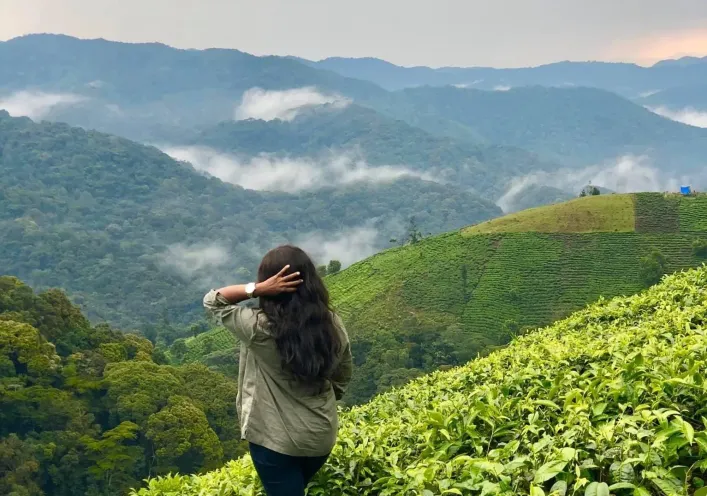
| Landscape | Volcanic bamboo and montane forest, five volcanoes | Africa’s oldest rainforest, montane to lowland transition |
| Unique activity | Volcano hiking (Bisoke, Karisimbi) | Canopy walkway |
| Birding | ~200 species, Rwenzori Turaco signature | ~310 species, strong Albertine Rift endemic representation |
| Distance from Kigali | ~2-3 hours | ~5-6 hours (or via Butare/Huye) |
Structuring the Volcanoes and Nyungwe Combination
There are two practical structures for this combination, and the choice depends on your overall trip flow and international flight logistics.
Route One: Volcanoes First, Then Nyungwe
The most common structure begins with gorilla trekking at Volcanoes National Park immediately after arrival in Kigali, taking advantage of fresh energy and attention for the trip’s most significant single activity, before continuing south via Kigali and Huye (Butare) to Nyungwe for chimpanzee tracking and forest exploration. This sequencing front-loads the gorilla trekking experience while it’s freshest in the itinerary.
Route Two: Nyungwe First, Then Volcanoes
Reversing the order works equally well, particularly for travellers who want to build up to the gorilla trekking experience as the trip’s climax, or whose flight routing favours ending the trip closer to Kigali after the shorter Volcanoes National Park leg.
The Huye (Butare) Stopover
Huye sits roughly midway on the road between Kigali and Nyungwe and offers a sensible stopover point, home to the National Ethnographic Museum, breaking what would otherwise be a very long single-day drive from Volcanoes National Park all the way to Nyungwe into two more comfortable legs.
Adding Akagera for a Three-Park Circuit
For travellers with sufficient time, typically twelve to sixteen days, adding Akagera National Park to this combination creates Rwanda’s most comprehensive wildlife circuit, covering gorilla trekking, chimpanzee and forest primate tracking, and savannah Big Five safari within a single trip.
Best Time for a Volcanoes and Nyungwe Combined Safari
Both parks are accessible year-round for their primate trekking activities, since neither gorillas nor chimpanzees migrate seasonally. The dry seasons, June through September and December through February, offer firmer trekking conditions at both parks and are correspondingly the busiest booking periods for gorilla permits and premium accommodation.
Nyungwe, as a genuine rainforest, receives significant rainfall even during the nominal dry season, so travellers should expect wet conditions at Nyungwe regardless of when they visit, while Volcanoes National Park’s trekking conditions vary more distinctly between the dry and wet seasons.
| Season | Months | Volcanoes NP Conditions | Nyungwe Conditions |
| Long dry season | June – September | Firmest gorilla trekking trails | Somewhat easier trekking; still regular rainfall |
| Short dry season | December – February | Good trekking conditions; high demand over holidays | Good conditions |
| Long rains | March – May | More demanding trails | Lush; chimp tracking remains productive |
| Short rains | October – November | Moderate conditions | Good; migrant birds arriving |
What Does a Volcanoes and Nyungwe Safari Cost?
The dominant cost in this combination is the fixed gorilla trekking permit fee, set by the Rwanda Development Board regardless of season or accommodation choice. Nyungwe’s chimpanzee tracking permit and canopy walk fee are considerably less expensive, and the overall trip cost beyond the gorilla permit is driven primarily by accommodation tier and transport arrangements across both parks.
Given the premium and fixed nature of the gorilla permit, most of the genuine budget flexibility in this combination lies in accommodation choice, particularly at Volcanoes National Park where the premium tier is considerably more expensive than the mid-range options.
Budget combination — Single gorilla permit, budget accommodation at both parks
One gorilla trekking permit, budget guesthouses near Volcanoes National Park and basic forest lodges near Nyungwe, self-drive or shared transport. This keeps the fixed gorilla permit cost dominant while minimising everything else.
Mid-range combination — Gorilla permit plus golden monkey trek, mid-range lodges, private vehicle
A gorilla trekking permit, a golden monkey trek, mid-range lodges at both parks, a private guided vehicle, and Nyungwe’s chimpanzee tracking and canopy walk. This is where most of our Volcanoes-Nyungwe bookings sit.
Luxury combination — Gorilla permit, premium lodges, comprehensive activity programme
Gorilla trekking at a premium lodge like Bisate or Singita Kwitonda, One&Only Nyungwe House or Nyungwe Forest Lodge at the second park, private vehicle and guide throughout, and a full activity programme across both parks.
Where to Stay for a Volcanoes and Nyungwe Combination
Accommodation at each park should be chosen based on the tier and specific setting that suits your priorities, since the two parks are far enough apart that no property serves both.
| Park | Budget Option | Mid-Range Option | Luxury Option |
| Volcanoes National Park | Musanze town guesthouses | Kinigi-area mid-range lodges | Bisate Lodge, Singita Kwitonda, Sabyinyo Silverback Lodge |
| Nyungwe Forest National Park | Basic forest lodges | Nyungwe Forest Lodge | One&Only Nyungwe House |
| Huye (Butare) stopover | Local guesthouses | Ibis Huye Hotel or similar | Limited premium options |
What to Do at Each Park
Structuring your time at each park to cover its signature activities properly is the key to a rewarding combination.
At Volcanoes: Gorilla Trekking
The park’s headline activity, departing from Kinigi each morning with small groups assigned to habituated gorilla families. Book well in advance given strict permit limits.
At Volcanoes: Golden Monkey Trekking
A considerably less expensive and less physically demanding activity in the same bamboo forest habitat, frequently combined with gorilla trekking on the same trip.
At Volcanoes: Volcano Hiking
Mount Bisoke’s crater lake summit or the longer, more demanding Mount Karisimbi trek add a genuine hiking dimension for travellers with the time and fitness.
At Nyungwe: Chimpanzee Tracking
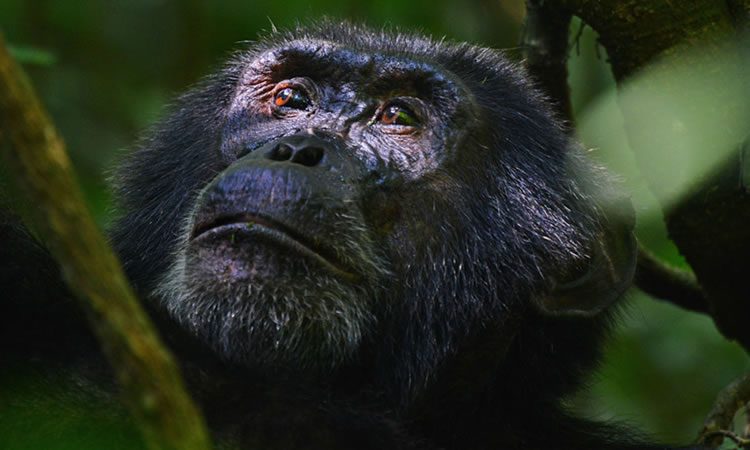
An early morning activity requiring a reasonable level of fitness for forest walking on sometimes steep terrain, rewarding patient trackers with genuine chimpanzee encounters.
At Nyungwe: Colobus Monkey Tracking and the Canopy Walk
Nyungwe’s large Rwenzori colobus troops and its suspended canopy walkway are both distinctive activities unavailable at Volcanoes National Park, adding genuine variety to the primate-focused circuit.
| Activity | Park | Duration | Advance Booking? |
| Gorilla trekking | Volcanoes NP | Half day (variable) | Yes; essential, book 6-12 months ahead for peak season |
| Golden monkey trekking | Volcanoes NP | 1-2 hours | Recommended |
| Volcano hiking (Bisoke/Karisimbi) | Volcanoes NP | Half day to 2 days | Arrange through park or operator |
| Chimpanzee tracking | Nyungwe | Half day | Yes; permits limited |
| Colobus monkey tracking | Nyungwe | Half day | Recommended |
| Canopy walkway | Nyungwe | 1-2 hours | Recommended |
Who Should Choose This Combination
Here is a direct guide to which traveller types benefit most from a Volcanoes and Nyungwe combined safari.
| Traveller Type | Recommendation | Why |
| First-time Rwanda visitors prioritising gorilla trekking | Strongly recommended | Adds genuine primate depth without diluting the core gorilla experience |
| Primate enthusiasts broadly | Essential | Covers gorillas, golden monkeys, chimpanzees and Rwenzori colobus within one trip |
| Birders | Strongly recommended | Both parks offer strong, complementary Albertine Rift endemic birding |
| Travellers wanting savannah Big Five alongside gorillas | Consider Akagera instead of or alongside Nyungwe | Nyungwe doesn’t offer savannah wildlife; Akagera does |
| Travellers with fewer than 7 days total | Consider a single park rather than both | Both parks deserve genuine time; rushing undermines the experience |
Frequently Asked Questions
How far apart are Volcanoes National Park and Nyungwe Forest?
They sit at opposite ends of Rwanda, roughly five to six hours apart by road, typically routed via Kigali and Huye (Butare). Many travellers split this into two shorter days with an overnight stop in Huye.
How many nights should I allocate to each park?
Three to four nights at Volcanoes National Park and three to four nights at Nyungwe is the standard recommendation, giving each park time for its signature activities without rushing.
Do I need separate permits for gorillas and chimpanzees?
Yes. Gorilla trekking permits at Volcanoes National Park and chimpanzee tracking permits at Nyungwe are entirely separate, each with their own cost and booking process, and both should be arranged well in advance.
Is this the most popular Rwanda multi-park combination?
Yes, this is widely considered the classic Rwanda primate circuit, combining the country’s two headline forest primate experiences within a single trip.
Can I add Akagera to this combination?
Yes, creating a three-park circuit covering gorillas, forest primates and savannah Big Five safari. This requires a longer overall trip, typically twelve to sixteen days, to give each park appropriate time.
What is the best order: Volcanoes first or Nyungwe first?
Either works well. Starting with Volcanoes lets you tackle gorilla trekking while fresh; starting with Nyungwe builds up to the gorilla trekking experience as the trip’s climax. The choice often comes down to flight logistics.