Rwanda Agritourism
This guide covers Rwanda’s best agritourism experiences, from coffee washing stations to tea estate tours to the country’s distinctive cattle culture, what each involves, what they cost, and how to fit them sensibly around a gorilla trekking or broader Rwanda itinerary, so this side of the country gets a place in your planning rather than an afterthought squeezed in only if time allows.
Rwanda’s nickname, the Land of a Thousand Hills, is not just scenic branding; those hills are terraced, cultivated, and farmed with a level of intensity and care that shapes almost every view you will have during a Rwanda trip, whether you notice it consciously or not. Agriculture employs the majority of Rwanda’s population and remains central to the country’s economy and culture, yet most visitors experience it only as scenery from a vehicle window rather than as something to engage with directly.
Agritourism closes that gap, and Rwanda’s coffee and tea sectors specifically have developed some of the most rewarding farm-based tourism experiences in East Africa, precisely because they are built on, still-active agricultural economy rather than a preserved or staged version of one.
Should You Add Agritourism to Your Rwanda Trip?
Short answer: yes, particularly if you have a spare half or full day between more intensive activities like gorilla trekking, since agritourism offers a relaxed, low-physical-demand way to understand Rwanda’s culture and economy beyond wildlife alone.
Agritourism experiences in Rwanda work particularly well as a change of pace between more demanding activities, requiring little physical exertion while offering insight into daily rural life, a useful counterbalance to a trip otherwise built around early mornings and physically demanding treks. Guests consistently mention these visits as a welcome, unhurried contrast to the more adrenaline-driven days elsewhere in their itinerary.
Why Rwanda’s Agricultural Story Matters
Rwanda’s coffee sector in particular tells a compelling development story. After the 1994 genocide, Rwanda’s coffee industry was in a state of near-collapse, producing low-grade beans through outdated processing methods.
Over the following two decades, a deliberate national strategy focused on fully washed processing, cooperative farming structures, and direct relationships with international specialty coffee buyers transformed Rwandan coffee into a respected, premium product on the global specialty coffee market, one of the country’s most significant post-genocide economic recovery successes.
This transformation is often cited internationally as a model for how smallholder farmers in a recovering economy can access premium global markets given the right cooperative structure and quality standards.
Practical implication: a coffee cooperative visit in Rwanda is not just a generic farm tour; it connects directly to a specific, meaningful national recovery story that adds real context to what might otherwise be simply a pleasant morning activity.
Rwanda’s Best Agritourism Experiences
| Experience | Location | What It Involves |
| Coffee cooperative and washing station tour | Various regions, including near Lake Kivu and Huye | Picking, processing, cupping, and tasting freshly roasted coffee |
| Tea estate tour | Gisakura (near Nyungwe Forest), Sorwathe | Walking through tea fields, observing plucking techniques, factory processing tours |
| Rwandan cattle culture experience | Various rural community locations | Learning about the Inyambo long-horned cattle tradition and their ceremonial significance |
| Community farm visits | Various cooperative-run locations | Hands-on participation in seasonal farming activities, from planting to harvest |
| Banana beer (urwagwa) brewing demonstration | Various rural communities, often paired with cultural village visits | Traditional fermentation process demonstration and tasting |
Coffee Tourism: From Cherry to Cup
A well-run coffee cooperative visit takes you through the entire process, starting with picking ripe coffee cherries alongside local farmers, moving to the washing station where cherries are pulped, fermented, and washed, and ending with a cupping session where you taste the finished, roasted coffee and learn to identify flavour notes the way professional buyers do.
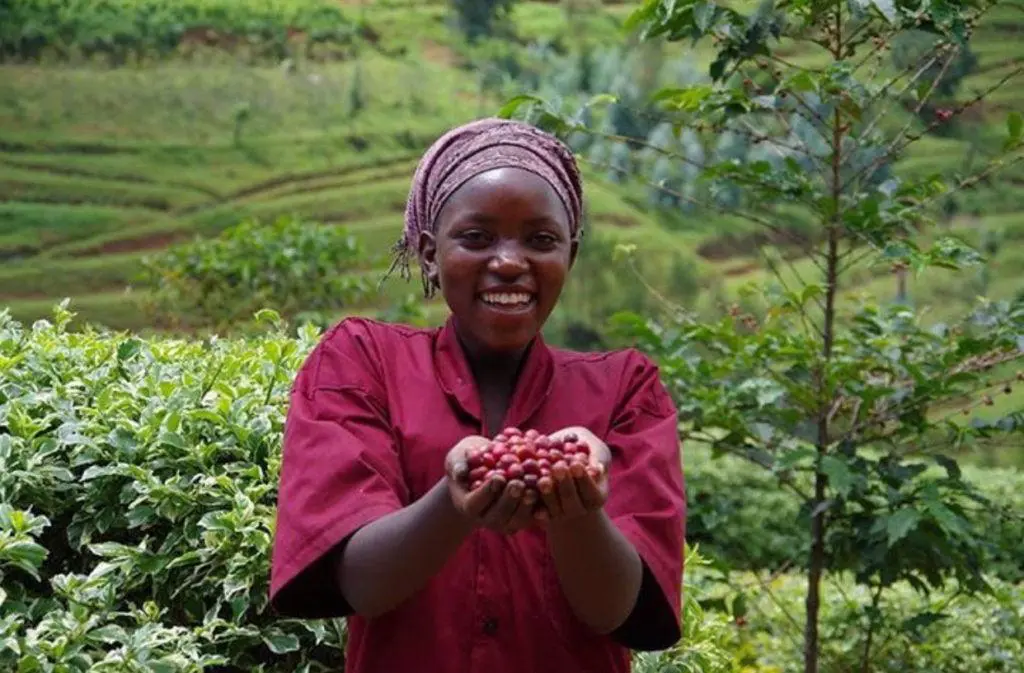
Rwanda’s high-altitude growing regions, generally above 1,500 metres, produce beans with a distinctive bright acidity and complex flavour profile that has earned recognition among specialty coffee roasters worldwide. Some cooperatives also demonstrate the sorting stage, where defective beans are removed by hand before export, a labour-intensive quality control step most coffee drinkers never see or think about.
Practical implication: visit during the coffee harvest season, generally March through June depending on the specific region, if you want to see and participate in active picking rather than just the processing and tasting stages.
Tea Tourism in the Nyungwe Region
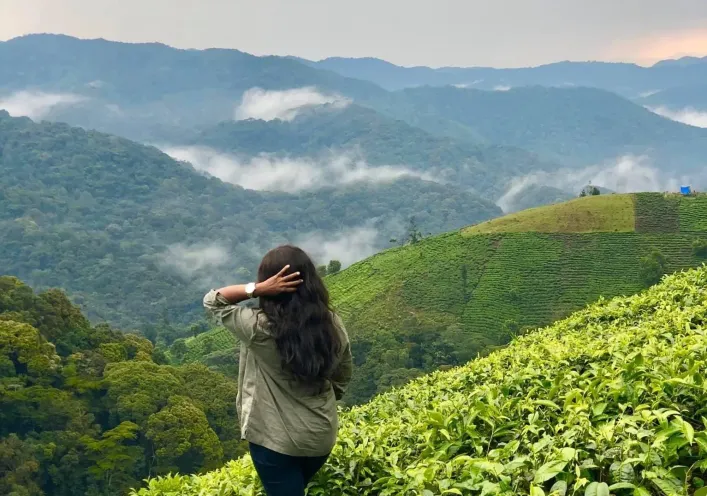
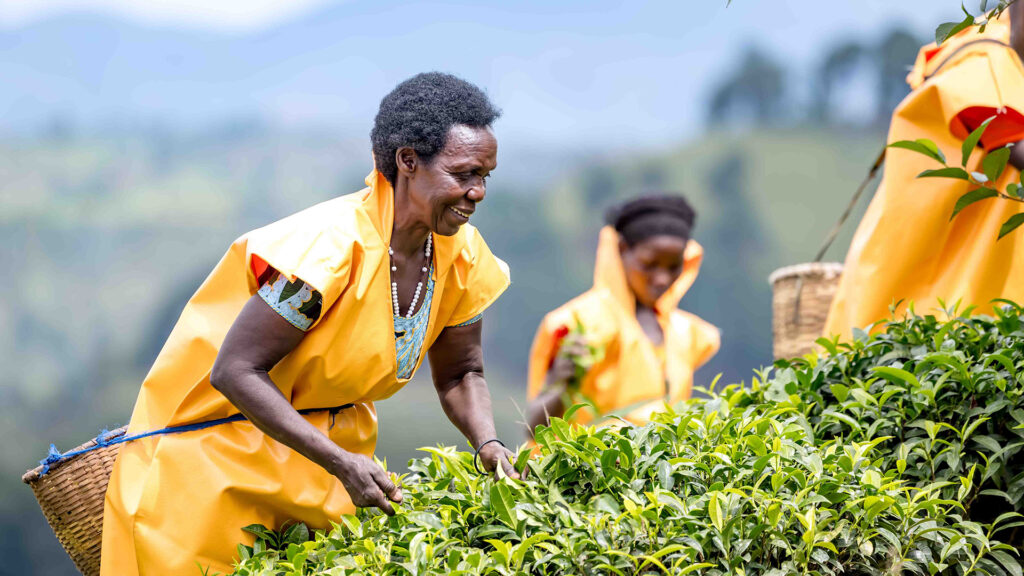
Rwanda’s tea estates, concentrated in the cooler, higher-altitude regions bordering Nyungwe Forest, offer a visually striking landscape in their own right, neat rows of vivid green tea bushes covering rolling hillsides, before you even factor in the tour content itself. A typical visit includes walking through active tea fields, observing the skilled hand-plucking technique pickers use to select only the youngest leaves, and a factory tour showing the withering, rolling, and drying processes that turn raw leaves into the finished product. Watching experienced pickers move rhythmically through the rows, selecting only the tender top leaves at remarkable speed, is itself a impressive display of a skill that takes years to develop properly.
This pairs naturally with a Nyungwe Forest chimpanzee trekking or canopy walkway visit, since the tea estates sit along the same general route most itineraries already use to reach the forest.
Rwanda’s Cattle Culture
Cattle hold deep cultural and historical significance in Rwanda, extending well beyond simple agricultural value. The Inyambo, a distinctive long-horned cattle breed historically associated with the royal court, were once kept specifically for ceremonial purposes, and while this royal tradition has evolved considerably, cattle ownership and care remain culturally significant across much of rural Rwanda today, reinforced by the government’s Girinka programme, which provides a dairy cow to vulnerable families as both an economic and social support mechanism.
The programme’s name translates roughly to “may you have a cow,” reflecting how central cattle ownership remains to ideas of dignity, stability, and social standing in Rwandan culture.
Practical implication: a cattle culture experience, arranged through the right community partner, offers insight into an aspect of Rwandan life that most standard wildlife-focused itineraries never touch on at all.
Rwanda’s Terracing: Farming as Landscape Engineering
The terraced hillsides visible across almost every road in Rwanda are not incidental scenery; they represent a deliberate response to the country’s mountainous terrain and the practical need to prevent soil erosion on steep slopes while maximizing usable farmland in a densely populated country.
Understanding this transforms what might otherwise be simply an attractive backdrop into a visible record of generations of agricultural adaptation, and several agritourism operators now include a specific stop or explanation of terracing techniques as part of a broader farm visit, particularly relevant for travellers with an interest in sustainable agriculture or land management.
Rwanda’s population density is among the highest in Africa, which makes this terracing not a picturesque choice but a practical necessity for feeding the country from a limited amount of arable land.
Farm Stays and Overnight Options
For travelers wanting a deeper agritourism experience than a half-day tour, a small but growing number of community-run farm stays offer overnight accommodation directly within a working agricultural setting, typically simple guesthouse-style rooms rather than luxury lodging, paired with the opportunity to participate in daily farm activities, morning milking, meal preparation using farm-grown ingredients, or seasonal planting and harvesting work, depending on timing.
This is a different pace from a standard safari lodge stay and suits travellers specifically seeking an immersive, slower cultural experience over a single trip, one built around daily rhythm rather than a scheduled activity list. Guests who choose this option often describe it as the part of their trip that felt least like tourism and most like simply being welcomed into someone else’s daily life for a short while.
Practical implication: a farm stay is a bigger time commitment than a standard half-day tour, generally worth considering only if you have at least one flexible day to dedicate to it within your broader itinerary.
Who Rwanda Agritourism Suits
| Traveller Type | Fit | Reasoning |
| Coffee or tea enthusiasts | Strong fit | Direct, hands-on engagement with the growing and processing story behind a product they already appreciate |
| Families with children | Strong fit | Low physical demand and hands-on, sensory activities suit a wide range of ages |
| Travellers wanting a rest day between demanding activities | Strong fit | relaxed pacing provides a welcome contrast to gorilla trekking or volcano hikes |
| Sustainability and agriculture-minded travellers | Strong fit | Rwanda’s terracing, cooperative models, and post-genocide coffee recovery offer substance beyond a typical farm tour |
| Travellers with very limited total trip time | Moderate fit | Worth including only if the itinerary has spare time; skip if every day is already fully committed to wildlife activities |
What Agritourism Experiences Cost
| Experience | Approximate Cost Per Person | Notes |
| Coffee cooperative tour and cupping | $20 to $40 | Often includes a take-home bag of roasted beans |
| Tea estate tour | $15 to $30 | Factory tour and tasting typically included |
| Cattle culture and community farm visit | $25 to $50 | Varies by specific community and activity depth |
| Banana beer brewing demonstration | Often included in broader cultural village visits | Rarely booked as a completely standalone activity |
When to Visit for the Best Agritourism Experience
| Activity | Best Timing | Why |
| Coffee harvest and picking | March to June (varies by region) | The active harvest season allows participation rather than processing and tasting alone |
| Tea plucking | Year-round, tea is harvested continuously | Rwanda’s tea regions produce across most of the year given consistent rainfall and temperature |
| General cooperative and cultural visits | Year-round | Not weather-dependent in the way trekking activities are |
Combining Agritourism With Your Broader Itinerary
- Pair a coffee cooperative visit with a rest day after gorilla trekking. The low physical demand makes it an ideal recovery-day activity.
- Combine tea estate visits with your Nyungwe Forest travel day. The estates sit conveniently along the standard route to the forest.
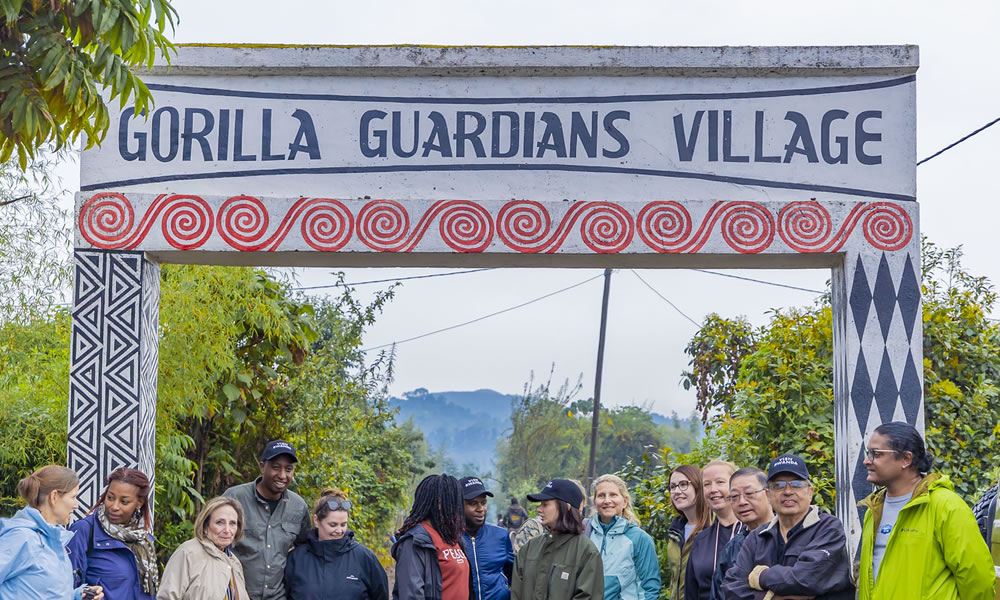
- Add a cattle culture visit near Volcanoes National Park if time allows. Several community partnerships operate specifically in this region alongside the Gorilla Guardians Village.
- Consider a full agritourism-focused day if you have a flexible itinerary. Combining a morning coffee visit with an afternoon tea estate tour makes for a full, varied day without excessive travel.
Frequently Asked Questions
Is agritourism suitable for children?
Yes, generally more so than gorilla trekking or the volcano hikes, given the low physical demand and hands-on, sensory nature of many coffee and tea activities.
Can I buy Rwandan coffee or tea to take home?
Yes, most cooperative and estate visits offer coffee beans or loose-leaf tea for purchase directly, often at a better price and with more direct community benefit than buying from a general gift shop.
Is coffee tourism only available near Nyungwe Forest?
No, coffee cooperatives operate across several regions of Rwanda, including areas near Lake Kivu and closer to Kigali, so a coffee tour can often be arranged regardless of which broader itinerary route you are following.
How long does a typical coffee cooperative tour take?
Most tours run two to three hours, covering picking or processing depending on season, plus a cupping and tasting session at the end.
Does agritourism replace or complement a cultural village visit like Gorilla Guardians Village?
The two complement rather than replace each other. Agritourism focuses specifically on farming and food production, while cultural village visits centre more on broader community history and traditional practices.
Is there a specific coffee variety unique to Rwanda I should look for?
Rwanda primarily grows Arabica coffee, specifically the Bourbon variety, which thrives at the country’s high growing altitudes and is central to the distinctive bright, fruity flavour profile Rwandan coffee has become known for internationally.
Can I visit a farm stay without booking a full overnight package?
Some operators offer a half-day taste of the farm stay experience without the overnight component, though the full immersive value comes through more clearly with at least one night actually staying on site.
Adding Rwanda’s Farming Story to Your Trip
Rwanda’s agricultural landscape is not simply scenery to admire from a vehicle window; it represents ongoing economic and cultural story that a well-chosen coffee, tea, or cattle culture visit brings to life directly. These experiences ask little physically, cost relatively little, and add a dimension to a Rwanda trip that gorilla trekking alone does not provide, rounding out a visit with the human, working side of the country alongside its extraordinary wildlife.