Hiking Mount Karisimbi in Rwanda
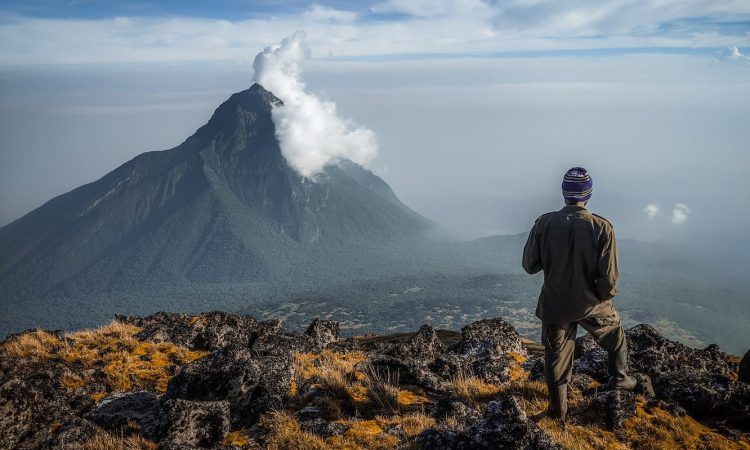
Mount Karisimbi is the tallest of the eight Virunga volcanoes and the highest point in Rwanda, at 4,507 metres, and it is the one peak in the range that cannot be done as a single-day hike at all. Reaching the summit requires an overnight camp partway up the mountain, near-freezing nighttime temperatures, and a genuinely demanding second-day push through increasingly thin air to the crater rim.
This is Rwanda’s answer to a genuine mountaineering expedition, and it draws a different kind of traveller than the country’s gorilla trekking crowd: serious hikers looking for altitude, endurance, and a summit that very few visitors ever actually reach.
It sits in a different category entirely from the other three volcanoes covered elsewhere in our hiking guides, and it deserves to be evaluated on its own terms rather than as simply the tallest option on a checklist.
This guide covers exactly what the two-day Karisimbi trek involves, what camping partway up an active volcanic massif is actually like, how to train for it properly, and how it compares to Rwanda’s other, shorter volcano hikes, so you can make a genuinely informed decision before committing to what is easily the most demanding trekking day, or two, in the entire country.
Should You Attempt Karisimbi?
Short answer: only if you have genuine multi-day trekking experience or are prepared to train specifically and seriously for it, since this is a fundamentally different undertaking from any of Rwanda’s single-day hikes, involving an overnight camp, sustained high-altitude exertion, and considerably more logistics.
Karisimbi is not an extension of a standard gorilla trekking holiday; it is closer to a dedicated mountaineering trip that happens to be bookable alongside one. Guests who approach it as “just a longer version of Muhabura” are consistently surprised by how much more demanding the second day’s altitude and terrain feel, and by how much colder the overnight camp is than anything else on a typical Rwanda itinerary. Treating this as a serious expedition rather than a slightly extended day hike is the single most important mindset shift before booking.
Why Karisimbi Is a Genuinely Different Undertaking
Three factors separate Karisimbi from every other hike in the Virunga range. First, its height, at 4,507 metres it exceeds Muhabura by nearly 400 metres, enough to introduce genuine altitude effects, including breathlessness and, for some hikers, mild altitude sickness symptoms, that the shorter single-day hikes rarely produce. Second, the mandatory overnight camp at roughly 3,700 metres means hikers experience genuinely cold, high-altitude camping conditions, nighttime temperatures at or below freezing are common, requiring proper cold-weather gear rather than standard daytime hiking layers.
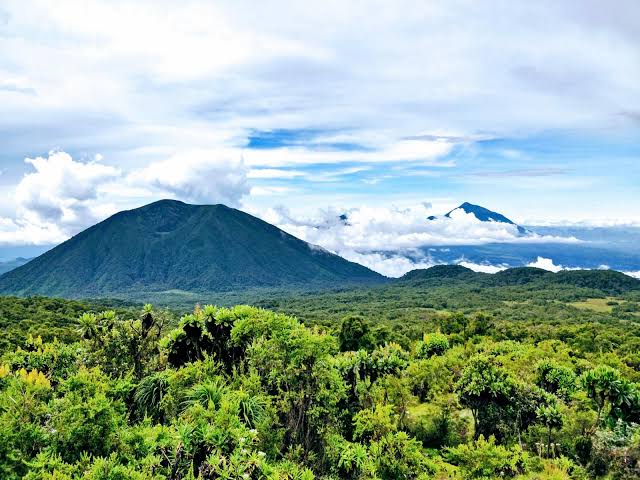
Third, Karisimbi holds specific historical significance in gorilla conservation, since Dian Fossey’s original Karisoke Research Center, the name itself a combination of Karisimbi and the neighbouring Mount Bisoke, sat on this mountain’s lower slopes. Taken together, these three factors mean Karisimbi asks something genuinely different of hikers than any of Rwanda’s other volcano trails.
Where Karisimbi Fits Among Rwanda’s Volcanoes
| Peak | Height | Difficulty | Standout Feature |
| Mount Gahinga | 3,474 metres | Moderate | Ends at a crater lake, the gentlest hike |
| Mount Sabyinyo | 3,669 metres | Strenuous, exposed ladders | Tripoint of three countries |
| Mount Muhabura | 4,127 metres | Very strenuous, single day | Summit crater lake |
| Mount Karisimbi | 4,507 metres | Extreme, two-day overnight trek | Rwanda’s highest point, genuine altitude trekking |
What the Two-Day Karisimbi Trek Actually Involves
Day one begins at Volcanoes National Park headquarters in Kinigi with the standard mandatory briefing, before a long ascent through farmland, bamboo forest, and increasingly sparse vegetation to a designated overnight camp, typically taking six to seven hours. This first day alone is comparable in demand to a full Muhabura climb, before any summit attempt has even begun, which is worth sitting with for a moment given how demanding Muhabura already is on its own.
Practical implication: day one is not a gentle warm-up; it is a genuinely full hiking day in its own right, and arriving at camp already significantly fatigued is common even among reasonably fit hikers.
The overnight camp sits at high altitude in genuinely cold conditions, and hikers sleep in tents, either their own or rented equipment arranged through their operator, before an early start on day two for the final push to the summit crater rim. This second day covers less distance than day one but at higher altitude and steeper gradient, meaning the pace slows considerably and rest breaks become more frequent as thinner air takes its toll.
How Difficult Is Karisimbi, Honestly
| Factor | What to Expect |
| Total duration | 2 days, 1 overnight camp, roughly 10 to 12 hours of hiking across both days combined |
| Elevation gain | Approximately 2,000 metres from the trailhead to the summit |
| Overnight conditions | Near-freezing temperatures at the 3,700 metre camp |
| Altitude effects | Breathlessness common; mild altitude sickness symptoms possible above 4,000 metres |
| Fitness required | Genuine multi-day trekking fitness; this exceeds the demands of any single-day Virunga hike |
When to Hike Karisimbi
| Season | Conditions | Recommendation |
| June to September, December to February (dry seasons) | Firmer trails, lower risk of a wet, cold overnight camp | The strongly preferred window given the added risk of an uncomfortable or unsafe camp night in wet conditions |
| March to May, October to November (wet seasons) | Significantly increased difficulty and discomfort at camp | Generally discouraged for this specific trek given the overnight camping element |
What the Trek Costs
| Item | Approximate Cost | Notes |
| Karisimbi hiking permit | $400 | Higher than the single-day volcano permits given the trek’s length and logistics |
| Camping equipment rental (if needed) | $50 to $100 | Tents, sleeping bags rated for near-freezing conditions, and camp meals |
| Porter fee | $15 to $20 per porter, often 1 to 2 porters recommended | Given the overnight gear, additional porter support is more commonly needed than for single-day hikes |
What Life at Camp Is Actually Like
The overnight camp is a genuinely bare-bones affair by design, a cleared, relatively flat area partway up the mountain where tents are pitched for the single night before the summit push.
There is no permanent structure, no heating, and limited facilities beyond a basic camp meal prepared by your support team and a designated area for essential needs. Once the sun sets, temperatures drop quickly, and most hikers find themselves in their sleeping bags well before a typical bedtime simply because there is little else to do once darkness falls and the cold sets in.
Practical implication: bring entertainment or a way to occupy yourself for a few hours before sleep, since evenings at camp are long, cold, and quiet, and pack a proper cold-weather sleeping bag rather than assuming a standard summer bag will suffice.
Despite the basic conditions, most hikers describe the camp experience itself, watching the sky clear to reveal an extraordinary, unpolluted view of the stars at this altitude, as one of the unexpected highlights of the whole trek, a genuine reward in its own right separate from the summit the following day. Few other moments on a Rwanda itinerary offer this particular combination of physical exhaustion and quiet, expansive night sky.
What to Pack for Karisimbi
- A sleeping bag rated for genuinely sub-zero conditions, either your own or confirmed suitable rental equipment, since standard three-season bags are inadequate for the overnight camp’s actual temperatures.
- A headlamp with spare batteries. Camp has no lighting infrastructure, and cold temperatures drain battery life faster than usual.
- Insulated, warm clothing layers for the evening and night, separate from your daytime hiking layers, since staying warm at rest is a different challenge from staying warm while moving.
- High-energy food for both days. The sustained two-day exertion burns through energy reserves considerably faster than a single-day hike.
- A basic first aid kit including blister care and any personal medication. Access to help is more limited here than on any single-day Virunga hike, given the remote overnight location.
Who Should Attempt Karisimbi
| Traveller Type | Fit | Reasoning |
| Experienced multi-day trekkers | Strong fit | This is the closest experience in Rwanda to genuine expedition-style trekking |
| Fit travellers without multi-day trekking experience | Moderate fit, with serious preparation | Achievable with dedicated training, but should not be underestimated |
| Casual hikers or first-time trekkers | Poor fit | Better served by Gahinga, Sabyinyo, or Muhabura as an introduction to Virunga hiking |
| Travellers with cold sensitivity or circulation issues | Poor fit | The overnight camp’s near-freezing conditions pose genuine discomfort and risk |
| Serious hikers seeking a bucket-list summit | Strong fit | Reaching Rwanda’s highest point is a genuine, rare achievement most visitors never attempt |
The Dian Fossey Connection
Karisimbi holds a specific place in gorilla conservation history, since the Karisoke Research Center, established by Dian Fossey in 1967, sat on a saddle between Karisimbi and Mount Bisoke, and the center’s very name combines the two peaks. Many Karisimbi trekking itineraries combine the climb with a separate visit to the Dian Fossey Tomb hike, a shorter, more accessible walk to the original research site and Fossey’s grave, giving hikers a way to connect the mountain’s physical challenge with its deeper conservation history. For guests with a genuine interest in the history of mountain gorilla research, pairing the two activities adds a dimension the summit climb alone does not provide.
How to Train for Karisimbi
- Build genuine multi-day hiking endurance, not just single-day fitness. Training for back-to-back demanding days matters more here than for any other Virunga hike.
- Practice at altitude if you have access to it. Even moderate altitude training hikes help your body adjust more readily to Karisimbi’s genuine elevation.
- Test your cold-weather camping gear before the trip. Discovering an inadequate sleeping bag at 3,700 metres in Rwanda is not the time to learn your equipment’s limits.
- Practice hiking with a loaded pack over consecutive days. This closely simulates the actual demand of the two-day structure better than single-session training.
- Allow a genuine rest day both before and after the trek. This is not a hike to squeeze between other demanding activities.
Frequently Asked Questions
Do I need mountaineering experience for Karisimbi?
No technical climbing skill is required, but genuine multi-day trekking experience and strong cardiovascular fitness are important given the sustained two-day demand and altitude.
How cold does it get at the overnight camp?
Nighttime temperatures at the roughly 3,700 metre camp commonly drop to or below freezing, requiring genuinely cold-rated sleeping gear rather than standard three-season equipment.
Is altitude sickness a real risk on Karisimbi?
Mild symptoms, headache or breathlessness, are possible given the elevation, though serious altitude sickness is uncommon at this height compared with much higher mountain trekking. Staying hydrated and pacing sensibly on day two both help reduce risk.
Can beginners attempt Karisimbi with a porter’s help?
A porter helps considerably with gear weight but does not substitute for genuine personal fitness and trekking endurance, which remain essential given the sustained, multi-day nature of this specific climb.
Is the summit view worth the effort?
Most hikers who complete it describe the sense of achievement and the genuinely rare, expansive summit views across the entire Virunga range as fully justifying the considerable effort involved.
Do I need to bring my own tent, or is it provided?
This varies by operator; many include tents and sleeping equipment as part of the permit package, while others expect hikers to bring or separately rent their own. Confirm exactly what is included when booking, since assuming equipment is provided when it is not would leave you seriously underprepared.
How many people typically attempt Karisimbi compared with the other Virunga peaks?
Considerably fewer, given the added time, cost, and physical demand. This makes it one of the more exclusive hiking experiences in the region, with a genuinely small number of visitors reaching the summit each year compared with the shorter, more accessible hikes.
Deciding If Karisimbi Is Right for You
Karisimbi is Rwanda’s ultimate trekking challenge, a genuine two-day mountaineering-style expedition rather than an extended day hike, and it rewards hikers who come prepared with real multi-day fitness, proper cold-weather gear, and realistic expectations about the altitude and exertion involved. This is not a hike to add on impulsively alongside a standard gorilla trekking trip, and honest preparation is what separates a genuinely rewarding summit from a miserable, underprepared one.