Rwanda Travel Tips | Top 10 Rwanda Travel Tips
Are you planning a safari or an excursion to Rwanda, here are some of the Rwanda travel tips. Rwanda has a different gift, unlike some destinations that impress you from a distance. It draws you in quietly, then leaves a lasting mark.
You arrive expecting rolling hills, mountain gorillas, and beautiful landscapes. Those things are real, and they are spectacular. But Rwanda offers more than scenery. Roads are clean and smooth. Cities feel orderly and calm. People greet visitors with warmth that feels genuine rather than rehearsed. Wildlife experiences are intimate, deeply moving, and surprisingly varied for a country of modest size.
Many travelers know Rwanda for gorilla trekking in Volcanoes National Park. That alone can justify the safari. Yet Rwanda is also home to classic savannah game viewing in Akagera National Park, chimpanzees and canopy walks in Nyungwe Forest, lakeside relaxation around Lake Kivu, and cultural experiences that add depth to every itinerary.
Because Rwanda is efficient and easy to move through, some visitors underestimate the need to plan carefully. They assume such a small country requires little thought. In truth, smart planning can transform a good safari into an exceptional one.
The right season changes your game viewing. The right lodge changes your pace. The right route saves hours on the road. Understanding permits, packing wisely, budgeting honestly, and knowing how to combine parks can make the difference between a rushed holiday and a journey that feels seamless.
This guide explores the top 10 Rwanda safari tips in the same thoughtful spirit as the best travel advice should be given. Not rushed lists with generic lines, but practical insights shaped around what travelers truly wonder before booking.
When should you go? How expensive is Rwanda? Is gorilla trekking worth it? Can you combine wildlife and luxury? How many days do you need? Is it safe? What mistakes should first-time visitors avoid?
By the end of this article, you will have your wanderlust polished and ready to call your favorite safari planner or travel advisor to start your next safari plan.
- Gorilla Trekking at the Center of Your Rwanda Safari
Many first-time visitors make one planning mistake. They treat gorilla trekking as just another activity on the itinerary. In Rwanda, it should usually be the centerpiece.
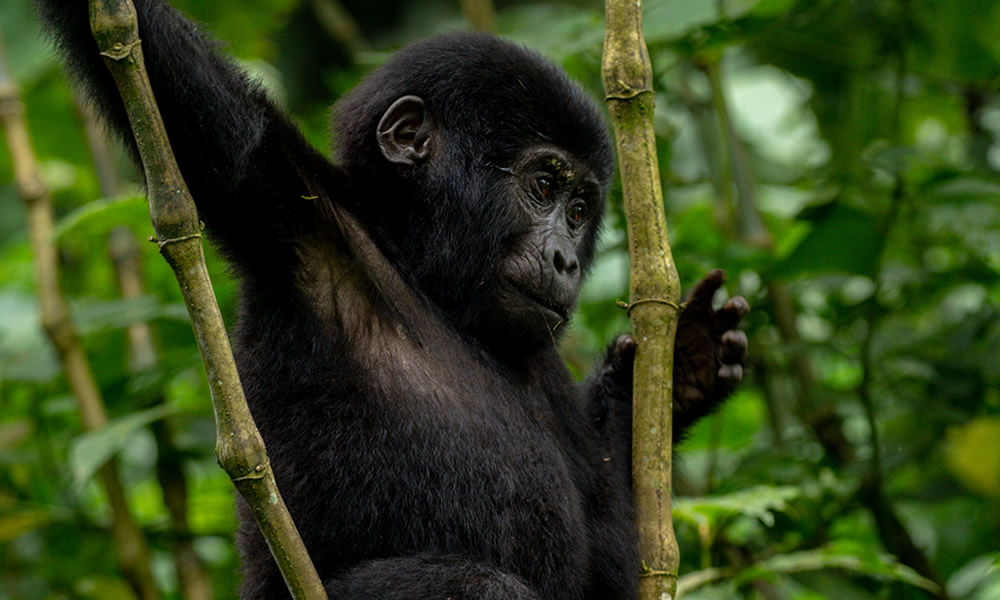
The country is globally known for Volcanoes National Park, where mountain gorillas live in the Virunga range. This park covers about 160 square kilometers and protects one of the most important gorilla habitats on earth. It is also one of Africa’s oldest national parks, first created in 1925 to help protect gorillas from hunting pressures.
That history matters. When you book a gorilla trek, you are not simply purchasing an excursion. You are participating in a conservation model that helped mountain gorilla numbers recover after decades of pressure.
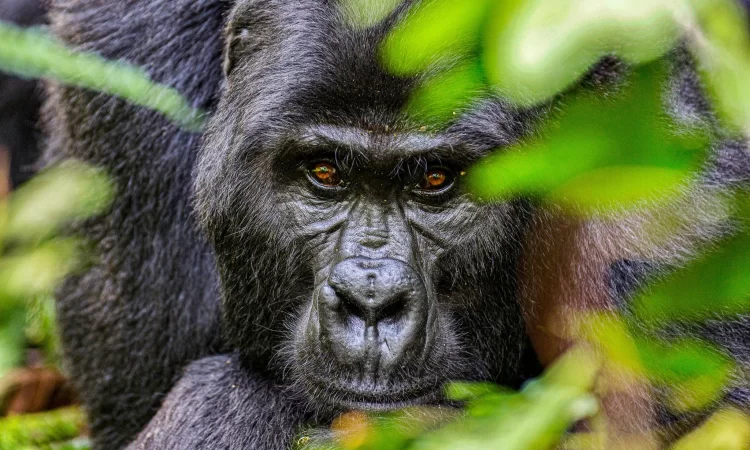
Most travelers who visit Rwanda for wildlife say the gorilla trekking becomes the emotional highlight of the journey. The trek itself can take one hour or several depending on where the gorilla family is located that morning. Rangers and trackers head out early, then guide your group through bamboo forest, volcanic slopes, and dense vegetation until the family is found.
Once there, you are allowed one carefully controlled hour.
That hour can contain more emotion than a week of ordinary sightseeing. A juvenile tumbles through leaves. A mother calmly feeds while holding her infant. The silverback watches everything with silent authority.
If your budget allows only one premium wildlife experience in Rwanda, make it this one.
A practical tip from the ground: build your itinerary around the trek date, not the other way around. Secure the permit first, then arrange hotels, drivers, and additional parks around it. Gorilla permits often sell out in peak seasons December to February and June to October.
Travelers who treat gorilla trekking as an optional extra often end up disappointed or scrambling.
Travelers who place it first usually build a far stronger Rwanda safari around it.
- Rwanda Is Premium Travel and Budget Accordingly
Rwanda is not the cheapest safari destination in East Africa. It is often one of the smoothest, cleanest, safest, and most efficient, but those advantages come with costs.
The best known example is the gorilla permit. Rwanda has long positioned itself as a premium gorilla trekking destination, with permits historically around 1,500 US dollars, though seasonal and promotional adjustments may apply in some periods.
Why do travelers still pay it?
Because Rwanda offers value in other forms.
You can land in Kigali, stay in a quality hotel, and drive to Volcanoes National Park in a matter of hours. In some neighboring destinations, reaching gorilla trekking zones may require much longer road journeys.
Road quality, hospitality standards, guiding professionalism, and logistical ease are all strong by regional standards. Many travelers with limited vacation time choose Rwanda because time itself has value.
Still, budgeting honestly matters.
A realistic Rwanda safari budget may include the following:
- Gorilla permit
- Accommodation near Musanze or inside luxury lodges
- Private transfers or driver guide
- Park activities
- Meals and drinks
- Tips
- Travel insurance
- Kigali hotel night(s)
A common mistake is focusing only on the permit and underestimating the rest.
For example, a traveler may celebrate finding a discounted hotel in Kigali, then spend more on rushed transport changes later because the itinerary was not designed properly.
The smart approach is total trip budgeting.
Ask yourself:
- How many nights do I need
- Do I want mid-range or luxury
- Do I need private transport
- Am I adding Akagera or Nyungwe National Park?
- How much comfort matters to me
Rwanda rewards travelers who spend intentionally. You do not need the most expensive lodge to love the country. But you do need a realistic plan. When expectations and budget align, Rwanda feels elegant and effortless. When they do not, even beautiful destinations can feel stressful.
- Do Not Stop at Gorillas: Rwanda Has Three Distinct Safari Worlds
Many travelers hear Rwanda and think only of gorillas. That is understandable, but incomplete.
Rwanda offers three very different wildlife landscapes, each worth understanding before you book.
Volcanoes National Park
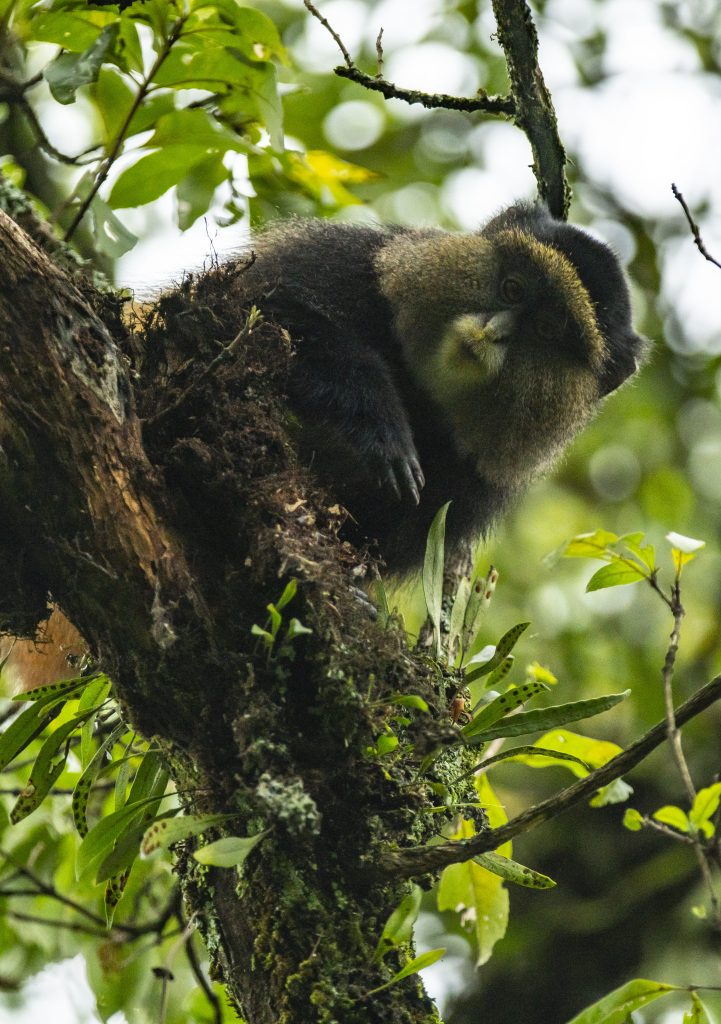
This is the mountain gorilla kingdom. Misty volcanoes, bamboo forest, golden monkeys, and one of Africa’s most iconic wildlife encounters.
Akagera National Park
This is Rwanda’s classic savanna safari landscape. Open plains, lakes, rolling hills, papyrus wetlands, and large mammals.
Akagera covers about 1,122 square kilometers and has undergone one of Africa’s most admired conservation recoveries. Lions were reintroduced in 2015 after nearly two decades of absence. Black rhinos were reintroduced in 2017, followed by white rhinos later, helping restore Big Five status.
That means in Rwanda today, you can go from seeing gorillas in the mountains to lions and rhinos in the savannah park.
Nyungwe National Park
This is an ancient rainforest. Chimpanzees, colobus monkeys, birdlife, waterfalls, and the famous canopy walkway suspended above the forest.
For travelers who love primates, Nyungwe is often underrated.
Why This Matters | Rwanda Travel Tips
A traveler who books only one night for gorillas may miss most of what makes Rwanda special.
A stronger itinerary could be the following:
- Kigali arrival
- Transfer to Akagera for the Big Five safari
- Volcanoes gorilla trekking and golden monkey tracking
- Finish in Nyungwe forest or Lake Kivu
Even seven to eight days can create a rich multi-ecosystem journey.
From the ground, travelers often say Rwanda feels larger than expected because landscapes change quickly.
In one country, you can stand before a silverback, watch hippos at sunset, and walk through the rainforest canopy within the same trip. That variety is rare.
- Choose the Right Season Instead of Chasing Perfect Weather
There is no single perfect month for a Rwanda safari. There is only the best month for your priorities.
Rwanda’s dry seasons are usually the following:
- June to September
- December to February
These months are popular because trekking trails are often easier and game drives more comfortable.
If you are nervous about muddy gorilla trekking terrain, dry months may suit you best.
But dry season also means stronger demand. Lodge’s book earlier. Premium rooms disappear first. Popular permit dates become harder to secure.
Wet seasons often include:
- March to May
- October to November
Many travelers avoid these months automatically, yet they can be excellent.
The landscapes turn intensely green. Mist around Volcanoes National Park can feel cinematic. Birdlife can be rewarding. Crowds are often lighter.
Yes, trails can be muddy. But many travelers later say the dramatic rainforest atmosphere was part of the magic.
From actual traveler reports, some trekkers had light rain at the start of the hike but still described the experience as unforgettable. Others had dry, clear mornings even in wetter months. Conditions shift quickly in mountain environments.
For Akagera National Park, dry months can improve visibility around water sources. Wet months may bring richer scenery and beautiful skies.
The best planning question is not “What is the perfect season?”
It is:
- Do I want easier trekking
- Do I want fewer people
- Do I want greener scenery
- Am I booking last minute
- How much do I mind rain
Rwanda rewards flexibility.
A traveler who expects zero rain in a rainforest country may be frustrated. A traveler who expects adventure in changing weather usually returns delighted.
- Kigali Is Not Just an Airport Stop
Many safari itineraries treat capitals as transit points. Kigali deserves more respect.
Rwanda’s capital is regularly praised for being clean, organized, calm, and easy to navigate. For many visitors, it becomes the place where they first realize Rwanda feels different from what they expected.
Instead of rushing straight to the parks, spend at least one proper night.
Why it matters:
Recovery from Travel
Long-haul flights and immediate road transfers rarely create the best safari start. One Kigali night allows rest before early departures.
History and Context
A visit to the Kigali Genocide Memorial can provide important understanding of Rwanda’s past and the country’s remarkable recovery. It adds depth and perspective to the trip.
Food and Modern Culture
Kigali’s restaurant scene has grown steadily. Cafes, contemporary dining spaces, local cuisine, and creative neighborhoods make the city enjoyable in its own right.
Practical Logistics
Buying essentials, changing money, getting a local phone line, or simply resetting after flights is easier in Kigali than remote park zones.
From the ground, many travelers who rushed through Kigali later wish they had stayed longer. Those who gave it time often describe it as one of Africa’s most pleasant capitals.
It also works beautifully as a final night after a safari. Returning from forest trails and game drives to a calm city dinner can be the perfect ending to allow you process your experience
- In Akagera, Do the Boat Safari as Well as the Game Drive | Rwanda Travel Tips
Many visitors enter Akagera focused only on land animals. That misses one of the park’s greatest pleasures. Akagera is also lakes, wetlands, channels, papyrus edges, and water-rich ecosystems. More than a third of the protected area is linked to lakes and swamps. That is why the boat safari on Lake Ihema is so worthwhile.
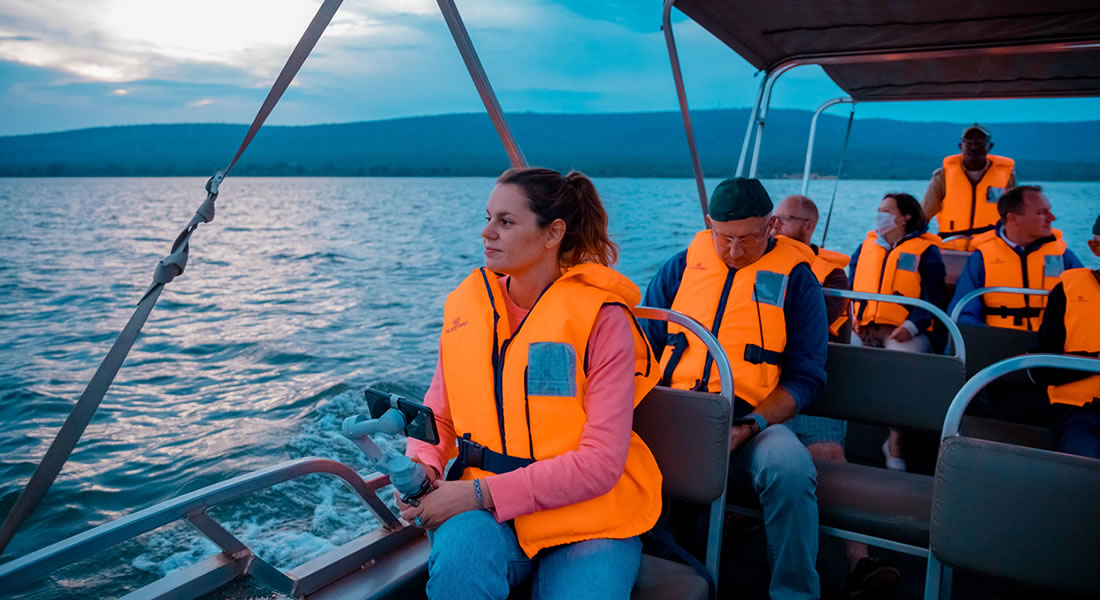
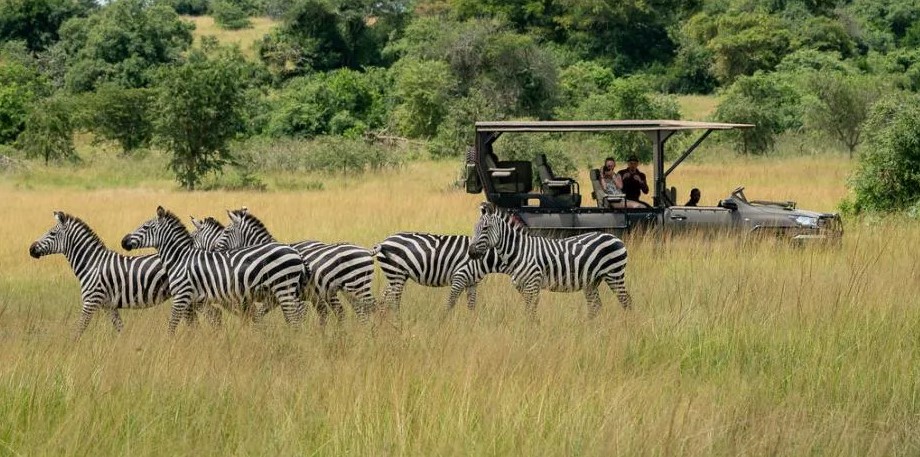
From a vehicle, you may see elephants, giraffes, zebras, buffalo, and perhaps lions or even leopards and rhinos. From the water, a different world appears. Hippos surface with snorts and ripples. Nile crocodiles warm themselves on banks. Fish eagles call overhead. Water birds gather in reeds. Light reflects off the lake in ways game drives cannot offer.
Many photographers prefer late-afternoon boat trips because of softer light and dramatic skies. It also balances the safari rhythm. A full day of only vehicle drives can be tiring. Adding a boat creates contrast, movement, and calm.
From traveler feedback, some visitors unexpectedly rank the Akagera boat safari among their favorite moments in Rwanda because it feels peaceful, scenic, and rich in wildlife without needing constant movement.
Practical tip:
If doing only one night in Akagera, consider:
- Afternoon arrival
- Sunset boat safari
- Early morning game drive next day
This combination gives two different ecosystems in a short stay.
- Pack for Mud, Sun, and Cool Mornings on the Same Trip | Rwanda Travel Tips
Rwanda confuses first-time packers because people imagine one climate. In reality, altitude, rainforest, savannah, and time of day create changing conditions.
At Volcanoes National Park, mornings can feel cool and damp. Forest paths may be muddy. Rain can appear suddenly. At Akagera later the same week, afternoons may feel warmer and sunny. That means smart layering beats over packing.
Bring:
- Waterproof hiking boots
- Light rain jacket
- Neutral safari clothing
- Breathable shirts
- Warm layer for early mornings
- Hat and sunscreen
- Daypack
- Refillable water bottle
- Gaiters if trekking in wetter months or simply longer stockings to tuck in your pants
Travelers repeatedly praise gaiters and sturdy boots after gorilla treks, especially in muddy conditions. Also consider gloves for trekking. In steep areas, grabbing vegetation for balance is common. Do not rely on city fashion-luggage logic. Rwanda safari packing should be practical first.
Another ground truth: many people pack too much clothing and not enough functional gear. A traveler with three stylish jackets but poor footwear quickly learns priorities on a wet slope.
Laundry is often available in many lodges, especially mid-range and luxury properties. That means fewer clothes, better gear.
Pack for movement, weather shifts, and comfort. The right boots may matter more just like the right camera.
- Use Distances on the Map Carefully
Rwanda is compact, but mountain roads and scenic routes mean journeys can take longer than first-time visitors expect.
People look at a map and think, “This park seems close.” Then they discover elevation, curves, rural roads, scenic stops, and park entry logistics all affect timing.
Examples:
- Kigali to Volcanoes area can be manageable in a day
- Kigali to Akagera is practical and popular
- Linking multiple parks back-to-back without buffer time can feel rushed
The smartest Rwanda itineraries do not try to “collect locations.” They build flow. Good flow might mean the following:
- Kigali night
- Two nights in the Volcanoes region
- Kigali transit or direct move
- Two nights Akagera
Or:
- Kigali
- Volcanoes
- Lake Kivu break
- Nyungwe
Travelers who overpack the schedule often spend too much time in vehicles and too little time absorbing the destination.
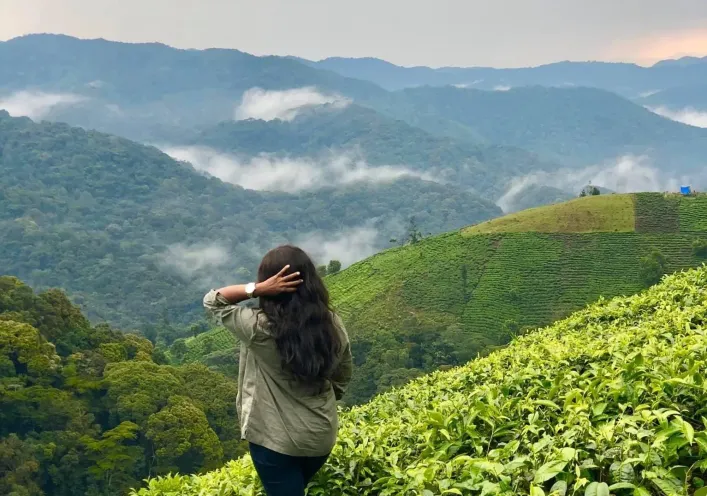
From the ground, Rwanda rewards slower pacing. Villages, hillsides, tea estates, and roadside life are part of the beauty. When every transfer feels like a race, you miss that.
My practical rule: If a plan looks possible on paper, add margin. If it looks tight, it is probably too tight. Time in Rwanda often feels best when it includes breathing space.
- Respect the conservation rules; they exist for a reason.
Some tourists anywhere in the world see rules as obstacles. In Rwanda’s parks, rules are part of what protects the experience itself.
During gorilla trekking, visitors are guided on distance, noise levels, photography etiquette, and health screening. These measures matter because gorillas can catch human illnesses and stress from unmanaged tourism.
That is why sick travelers may be asked not to trek. That can feel disappointing in the moment, but it protects endangered primates.
In Akagera, staying in vehicles where required, respecting ranger guidance, and avoiding pressure for unsafe close approaches keeps wildlife calm and people safe.
In Nyungwe, staying on marked trails protects fragile forest systems. The reason Rwanda remains a premium wildlife destination is not luck. It is management.
Akagera’s recovery from depleted wildlife numbers to a restored Big Five park happened through investment, ranger training, fencing, community engagement, and disciplined operations.
Conservation success depends on visitor behavior too. Good travelers do not ask how close they can get to breaking the rules. They ask how respectfully they can participate.
And ironically, respectful tourism often creates better wildlife encounters because animals remain calmer and ecosystems healthier.
- Leave Room for Surprise
The final tip is the least practical and perhaps the most important. Do not plan Rwanda so tightly that nothing unexpected can happen. Some of the best safari moments are unscheduled.
A juvenile gorilla beating its chest in play. A sudden rainbow over volcanic slopes. A fish eagle calls across Lake Ihema at sunset. Children waving from roadside hills. A conversation with a guide whose knowledge changes how you see the country.
Travelers who try to control every hour often return with photographs. Travelers who leave room for surprise return with stories. Rwanda is efficient, yes. Organized, yes. But it is also emotional, scenic, layered, and alive. Give yourself extra coffee time with a mountain view.
Take the longer stop when the light is beautiful. Ask your guide questions. Stay one more night if you can. Walk slowly through Kigali instead of rushing indoors.
The finest safaris are not only checklists of animals and birds seen. They are memories of how a place made you feel. Rwanda has a way of doing that quietly. You arrive for gorillas. You leave remembering much more.
In conclusion,
If you plan well, budget honestly, pace the trip wisely, and travel with curiosity, Rwanda can deliver one of Africa’s most refined and meaningful safari experiences.
Rwanda is a country where conservation has visible results, where distances are manageable, where wildlife encounters feel intimate, and where service often surprises even seasoned travelers.