What to See and Do on a Kigali City Tour
Kigali City Tour is one of the best experiences you can have during your Rwanda Safari. These half- or full-day tours, led by Rwandan guides, take visitors through five neighbourhoods for an action-packed day of sightseeing, dining, and learning about the city.
Kigali City Tour visits markets, milk bars, local restaurants, Mt. Kigali, and other attractions in just a few hours, making it an excellent way to see this beautiful city.
What to See and Do on a Kigali City Tour
Shop in Kimironko Market.
Kimironko Market is one of Kigali’s best and largest markets; it sells second-hand clothing, fruits and vegetables, fish, fabric, and baskets. Consider haggling for ovacados before purchasing gifts for loved ones. Kimironko sells Agaseke baskets, a beautiful and unique gift from Rwanda, by the dozen.
Visit and pay your respects at the Genocide Memorial Centre.
The Kigali Genocide Centre does an excellent job of commemorating the horrific and tragic event of the Rwandan Genocide of 1994. A visit to the memorial is unforgettable, as the attached and informative museum educates visitors on the events preceding, during, and following the genocide.
Survivor in photo room at Kigali Genocide Memorial Centre, drinking coffee.
Rwanda makes some of the best coffee in the world. Coffee is available everywhere, from Costco to Starbucks, so trying it while in Rwanda is a must. Question Coffee, Harvest (a coffee importing company), produces some of the best cups in Kigali City. Check out Inzora Rooftopa Café, another coffee shop option.
Check out the Gaddafi Mosque.
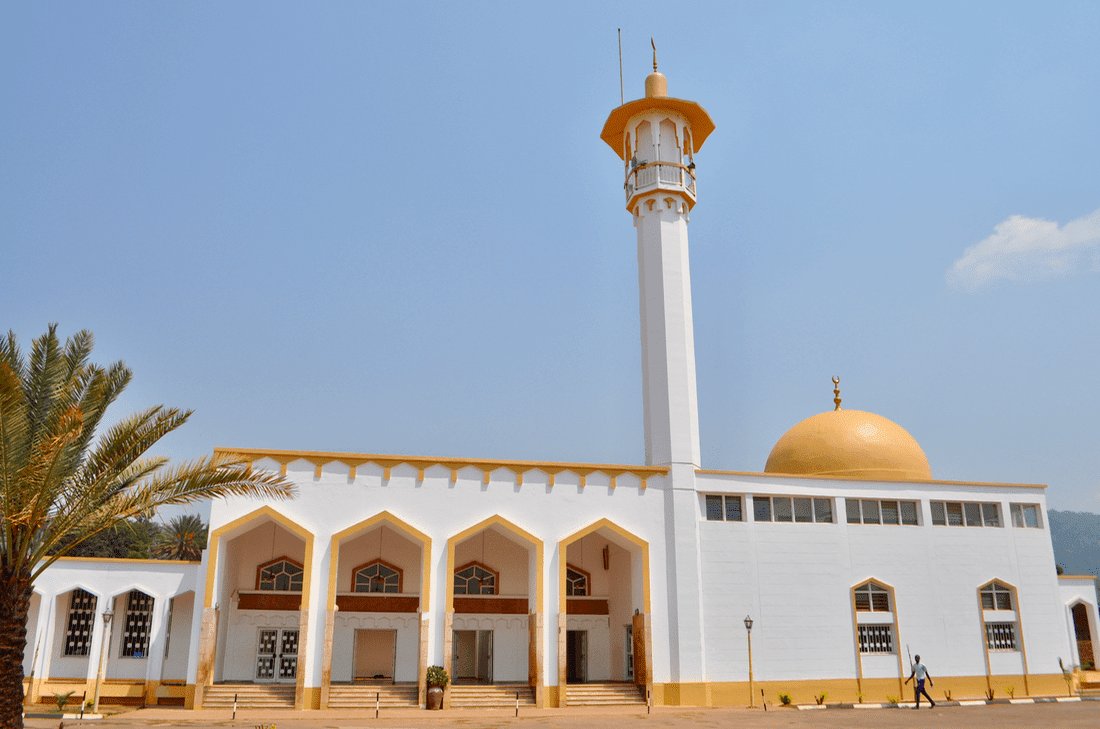
The Gaddafi Mosque, a stunning architectural and historical landmark in Rwanda, was not built by Muammar Gaddafi himself. However, it was named after the Gaddafi-built road that runs parallel to the mosque. The mosque’s official name is the Islamic Cultural Centre, though no locals refer to it that way.
The mosque is located in the Nyamirambo neighbourhood and serves as a school, clinic, and community centre for the surrounding area.
Mount Kigali towers over the rest of the city, creating a mountainous and hilly backdrop for residents. This beautiful mountain can be hiked, biked, or driven up, and on a clear day, the views from the top stretch for miles.
Visit a milk bar.
Cows are extremely important in Rwandan culture, symbolising wealth, prosperity, and identity. Cows are still used today to pay a marriage dowry or pride price. As a result, milk is culturally significant, and small shops dedicated solely to milk (known as milk bars) are traditional in Kigali.
The Nyamirambo or Kimisagara neighbourhoods of Kigali are frequently the best, and are identified as such with the phrase “Amata Meza” meaning “fresh milk in Kinyarwanda” and a drawing of a cow on the door.
Eat Big Fist in Nyamirambo.
Nyamirambo, Kigali’s Muslim quarter and an architectural landmark, is one of the city’s most lively spots for bars, restaurants, and general merriment. Big Fish, a large tilapia grilled with onions and spices, is one of Nyamirambo’s speciality dishes. Grab a friend or two (one large fish can feed a crowd) and head to Green Corner or Ten to Two Panorama for some of the best in the city.
Chez Lando
Chaz Lando is a restaurant, hotel, and Kigali institution. Chez Lando, located on Kigali’s busy Remera Roundabout, serves some of the city’s best brochettes (grilled meat or fish on a stick), chips, and cold beers.
Watch a soccer game at Amahoro Stadium.
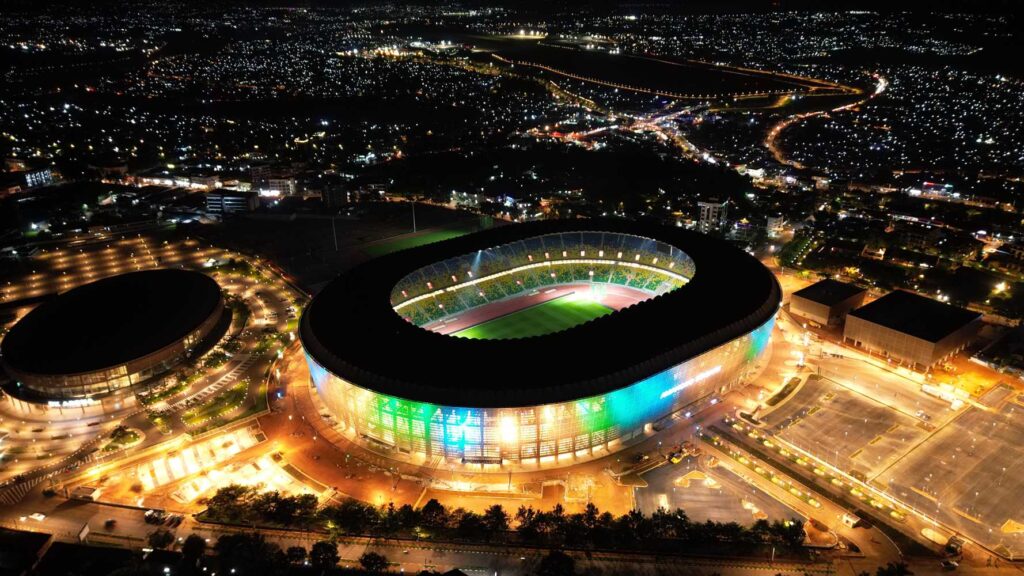
The iconic stadium, located in the Ramera neighbourhood, is Rwanda’s largest stadium, with a capacity of 30,000. Football matches are held here on a regular basis, with Rwandans coming from all over Kigali to support their teams. Police FC and Amee Patriotique Rwandese FC (called APR) are Kigali’s most popular teams, while league champions Rayon Sports FC are based in Nyanza, Rwanda’s southern province. Games are consistently rowdy, loud, and enjoyable events.
Inema Arts Centre
This lovely Art Gallery, founded by brothers Emmauel Nkuranga and Innocent Nkurunziza, houses the work of fourteen different Rwandan artists. Kigali’s art scene is on the rise. Unique and contemporary Rwandan art can be found throughout the city, including at the Inema Arts Centre, which houses some of Kigali’s best and brightest talent.
In addition to beautiful pieces, their creative space hosts happy hours (on Thursdays!), yoga classes, and other events.
Visit the presidential palace.
The presidential palace, which once housed President Habyarimana, is located in Kanombe, a neighbourhood near the airport. The remains of the presidential plane are still visible on the grounds, and the crash is attributed to the start of the Rwandan genocide. A visit to the museum is an interesting experience, and few photographs are permitted on-site.
Murals of Kimisagara.
Beautiful murals have been popping up all over the city thanks to the help, leadership and assistance of Kurema Kureba Kwiga, an arts-oriented organisation dedicated to spreading public and community art in Rwanda. Community members and students in Kigali’s Kimisagara neighbourhood helped make murals on their own stores, homes and buildings, so take a walk through the neighbourhood and check them out.
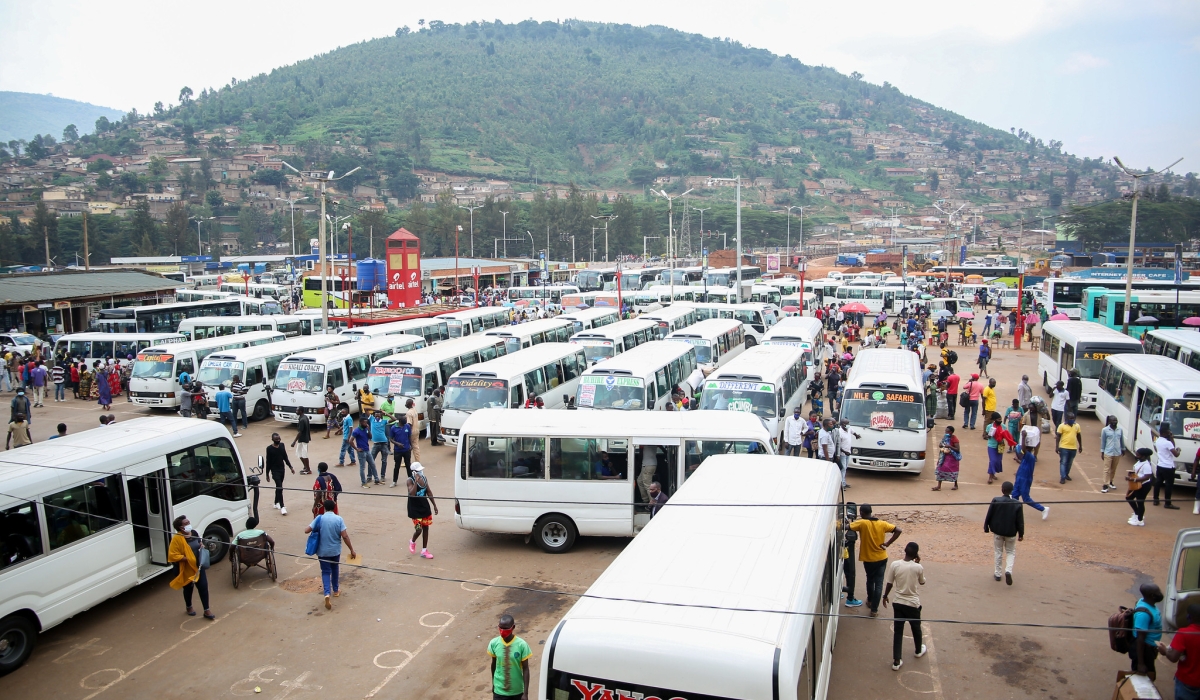
Nyabugogo Bus Terminal
Listing a bus terminal as an attraction and must-see may seem absurd, but Nyabugogo is a classic Kigali destination. Buses from all over Rwanda, Uganda, Burundi, and Tanzania congregate here, making the terminal chaotic, diverse, absurd, and ultimately amazing. You never know who you’ll meet in Nyabugogo!
Wedding Roundabout
The wedding roundabout, located next to the Kigali Convention Centre at the intersection of KN 5 Road and KG 7 Avenue, is a must-see attraction in Kigali. A physical roundabout, with a garden and fountain in the centre, is where many Rwandans go to take wedding photos. It is not uncommon to see several couples and wedding parties lining up and waiting for their turn at the roundabout, which is undoubtedly a popular spot in the city.