Best Time to visit Uganda Month by Month Guide : This comprehensive month-by-month guide to Uganda will be a valuable resource for you, offering you the opportunity to enhance your travel experience. Additionally, this monthly guide will guarantee that your plans are better created and carried out. Let’s examine the best times for you to visit Uganda and when to travel there.
Uganda in January
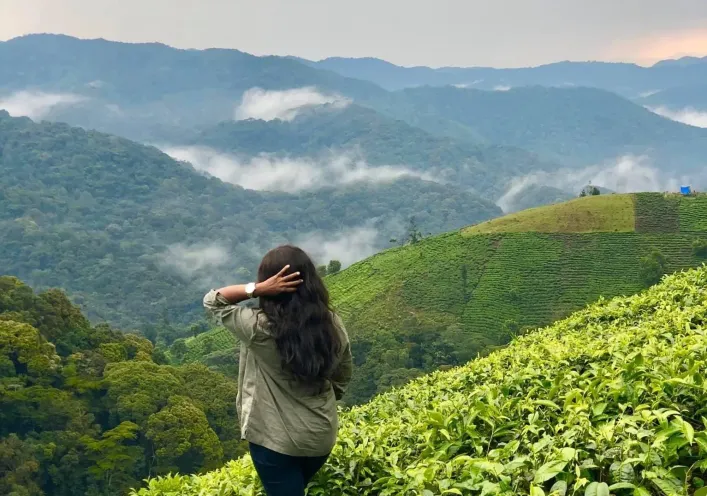
One of the best seasons to travel to Uganda is during the dry season, which begins in January. Expect to see Uganda’s breathtaking landscapes in all of their splendor throughout this month. The vivid vegetation, abundant greenery, and stunning landscape provide an enthralling setting for your explorations. The range of possible temperatures is 17°C to 30°C.
When it comes to wildlife, January provides great chances to see game. It is easier to see a wide range of wildlife in national parks like Queen Elizabeth National Park and Murchison Falls National Park since the dry weather drives animals to gather around water sources.
Uganda in February
Uganda never ceases to amaze visitors with its spectacular beauty and wide range of activities. It’s the perfect time of year to explore the nation’s varied landscapes and go on exciting wildlife expeditions because the weather is still dry. The range of temperatures that you can anticipate is 18°C to 32°C.
In Uganda, February is a great month to see animals. With their abundance of wildlife, the national parks and reserves offer fantastic chances to see the Big Five: lions, elephants, buffaloes, leopards, and rhinoceroses. Birdwatchers will also be delighted by the abundance of migrating bird species that visit the nation during this period.
Uganda in March
As wildflowers blossom, Uganda’s national parks and reserves explode with color, offering a magnificent backdrop for photographing wildlife and taking pictures. The rainy season has its own beauty with the increased presence of migratory birds and newborn animals, making it a haven for birdwatchers and wildlife aficionados, even though the dry season is best for game drives.
Uganda’s dry season ends in March and is replaced by the wet season, which offers visitors a fresh look at the country’s natural splendor and a variety of new activities. As the rains revitalize the nation’s flora and animals, the environment becomes a verdant, lush paradise. The temperature range that you should anticipate is 18°C to 31°C.
Uganda in April
April in Uganda is the wettest month, with plenty of rain showers and verdant, vibrant landscapes brimming with life. Even though April is the wettest month, there are still plenty of possibilities for travelers to discover and enjoy the natural beauty and distinctive experiences of the nation.
Rain brings Uganda’s varied vegetation and animals to life, making it an ideal season for nature lovers and birdwatchers. For those who enjoy birdwatching, the parks and reserves are brimming with a diverse range of bird species, some of which are indigenous and migratory. The range of temperatures is 20°C to 31°C.
Uganda in May
While the rainy season might make certain paths and roads muddy and difficult, it also presents a rare opportunity to take in the breathtaking scenery of the nation in all its glory. There are more magnificent waterfalls, and Uganda has an abundance of lakes and rivers that provide for great boat safaris and picturesque excursions. As migratory birds continue to come and contribute to the already diversified bird species, the abundant rainfall revitalizes the flora and fauna, making it a perfect time for birdwatchers.
Travelers should anticipate that Uganda is in the midst of its rainy season in May. The extended rainy season comes to an end this month, and although there might still be sporadic showers, the amount of rain starts to lessen. In May, Uganda’s scenery is luxuriant and verdant, exhibiting the nation’s unparalleled natural splendor. During the month, the temperature fluctuates between 12°C and 30°C.
Uganda in June
The best time to see wildlife in Uganda’s national parks and reserves is around June. An abundance of animals and lush, green flora make this an ideal time to observe a variety of wildlife, including the famous African Big Five: lions, elephants, buffaloes, leopards, and rhinoceroses.
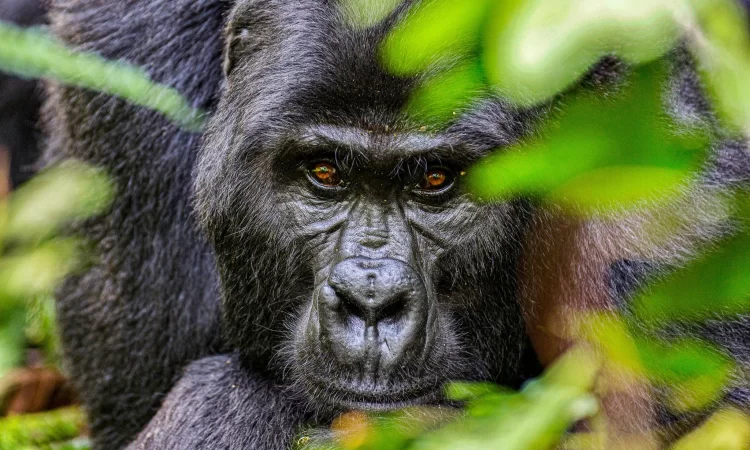
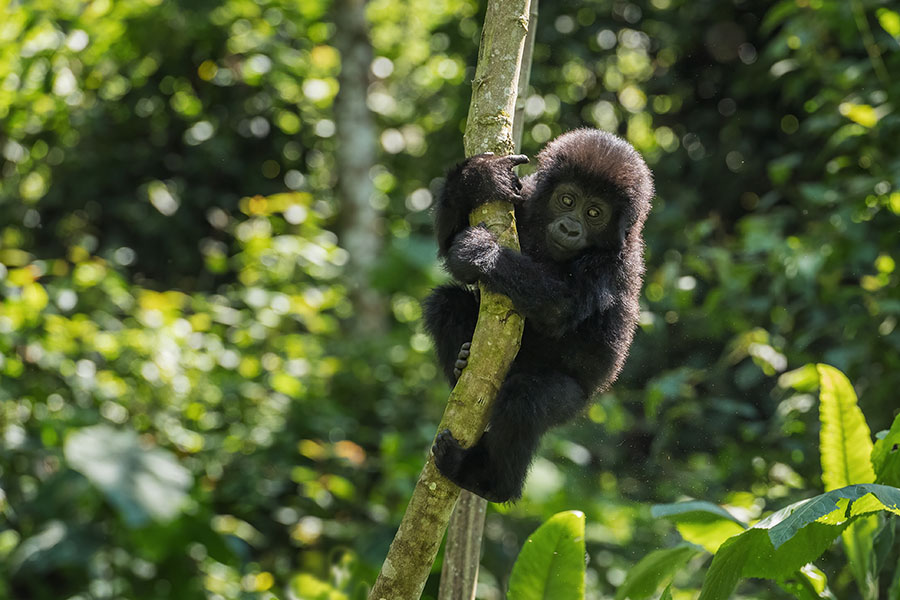
June is the best month for gorilla trekking and chimpanzee tracking for individuals who are interested in trekking among primates. The routes become more firm in the dry weather, which facilitates and enhances the enjoyment of the hikes. These amazing animals can have close encounters with visitors in their native environments. The range of possible temperatures is 11°C to 30°C.
Uganda in July
In general, July has dry weather with warm, bright days and pleasant evenings, making it the perfect month for outdoor activities. For those who are interested in primates, July is still a great month to track chimpanzees and gorillas. Visitors may have amazing interactions with these amazing monkeys thanks to the consistent weather, which guarantees more comfortable excursions. The temperature range for the forecast is also 11°C to 29°C.
In addition, the dry season makes it simpler and more pleasurable to explore Uganda’s varied topography, which includes savannahs, lakes, and waterfalls in addition to its beautiful national parks. Hippos, crocodiles, and a variety of birds can be seen on boat safaris on Uganda’s lakes and rivers.
Uganda in August
Uganda presents its breathtaking beauty to visitors in August in a way that is genuinely exceptional, resulting in an enthralling encounter. At the height of the dry season, the nation’s landscapes, from the golden savannahs beneath the African sun to the verdant national parks, are decked with a vivid tapestry of colors. August offers chimpanzee tracking and gorilla trekking for those looking for the ultimate primate experience. There is still a temperature range of 11°C to 29°C.
The chance to fully immerse oneself in the habitat of these amazing monkeys is provided by the more steady hiking conditions that are guaranteed by the dry weather. Uganda’s varied topography, which includes the striking Rwenzori Mountains as well as charming lakes and waterfalls, provides an enthralling setting for travel and adventure. A peaceful and enthralling experience, boat safaris on the nation’s lakes allow visitors to see hippos, crocodiles, and a variety of birds.
Uganda in September
September is another month when Uganda’s rich cultural diversity is on full display, with a number of traditional festivals and celebrations offering visitors a genuine look into the hospitable and energetic local communities. It presents its alluring beauty in a remarkably distinct and exceptional style, giving it the ideal moment for travelers to set out on an amazing adventure. The nation’s landscapes, which combine lush foliage with golden savannahs and dramatic mountain vistas, are a beautiful symphony of colors and textures as the dry season comes to an end.
In September, animals gather around water sources in Uganda’s national parks and reserves, which remain a wildlife haven. This makes it possible to see amazing predator-prey interactions in the wild and spot a variety of wildlife, including the recognizable African Big Five. The comfortable range of temperatures is still 11°C to 30°C.
Uganda in October
Uganda offers visitors a singular experience as it changes from the long dry season to the brief rainy season in October. Even if it’s going to get rainier, there are still a lot of things to explore and enjoy in October.
October brings with it a lovely combination of vivid colors and luxuriant foliage because the area occasionally receives rainfall. The restored vegetation enhances the natural beauty of the nation by providing a breathtaking background for seeing wildlife and taking pictures. Anticipate a temperature range of 11°C to 29°C.
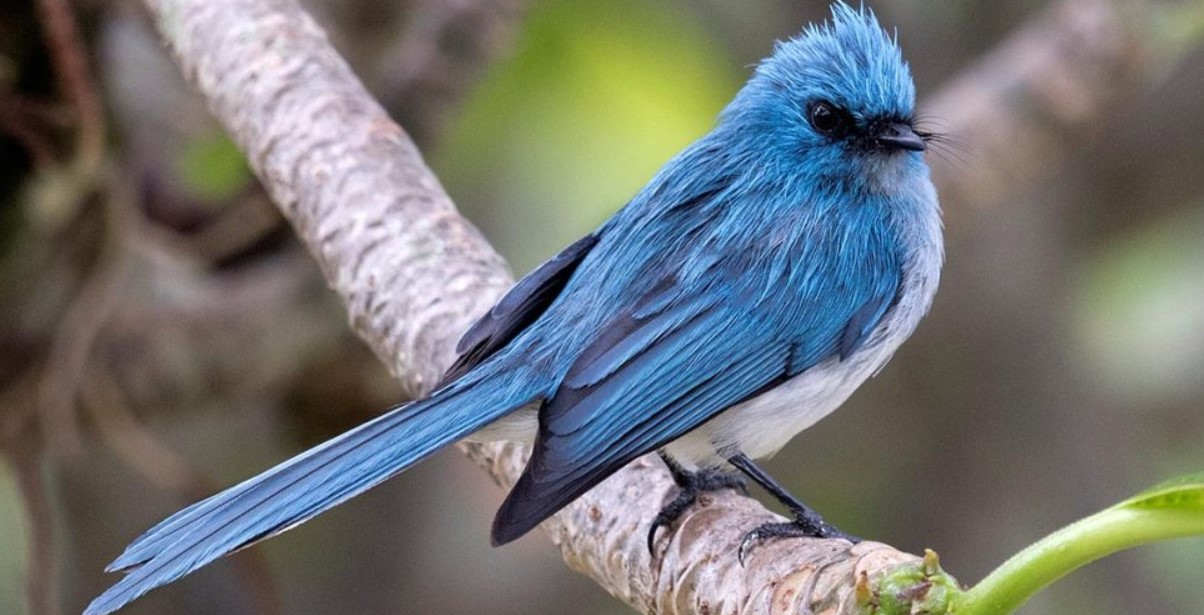
Because so many migrating bird species are continuing to arrive in Uganda and join the resident birds, October is a great month to go birdwatching. Because of this, it’s a birder’s paradise with plenty of chances to see a wide variety of bird species.
Uganda in November
As the short rainy season comes to a close and the dry season begins in November, Uganda is a fascinating and distinctive destination. Travelers will have a remarkable experience as the country’s natural beauty is revealed in a unique way during this transitional moment. November brings out the most brilliant and rich vistas because of the recent rains, which revitalize the flora and animals. The landscape transforms into a gorgeous, verdant canvas with breathtaking vistas and lively environs.
November is a great month to see wildlife since the amount of water and foliage attracts a variety of creatures. There are plenty of possibilities to see a wide variety of animals, including the well-known African Big Five, giraffes, zebras, and many bird species, in the vibrant national parks and reserves. There is still a temperature range of 11°C to 31°C.
Uganda in December
Uganda is a magical and remarkable travel destination in December because of its distinct and captivating beauty. The start of the dry season occurs this month, resulting in an ideal combination of verdant vistas and balmy days. The temperature will range from 11°C to 31°C, so there won’t be much of a difference.
In December, Uganda’s national parks and reserves are a veritable feast for the eyes, with an abundance of wildlife and vivid vegetation. Thanks to the recent rains, the lush and revitalized greenery offers a wonderful background for photographing and observing wildlife. Numerous creatures inhabit the nation’s varied ecosystems, ranging from regal African elephants and lions to jovial chimpanzees and endangered mountain gorillas.