Chimpanzee Trekking in Rwanda
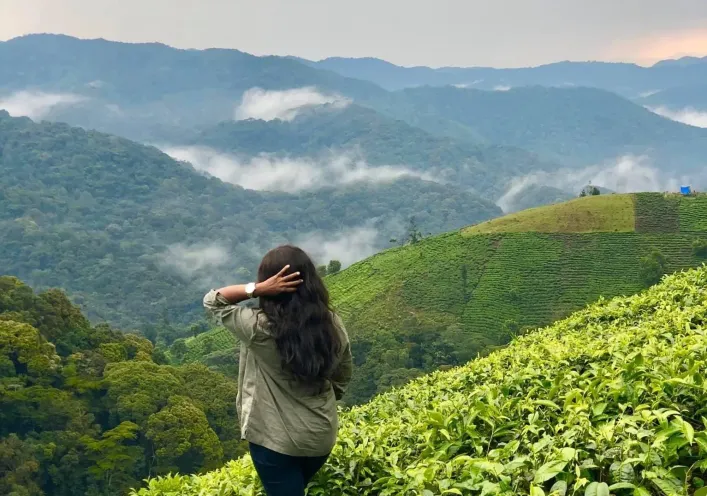
Chimpanzee trekking is offered in Rwanda’s Nyungwe forest & the new Gishwati Mukura National Park. This long stretch of montane rainforest is the largest in Africa at the moment and a great conservation site attracting researchers and scientists who are interested in primate research. The forest is part of the wider Nyungwe National Park, which now includes the Cyamudongo forest.
Nyungwe forest is a key water catchment area in the country, producing rains that feed rivers like the Nile in Uganda and others in Congo. Nyungwe forest is a great bird sanctuary with over 310 species. Birders will be able to spot paradise flycatchers, Chapin’s flycatcher, purple-breasted sunbirds, Rockefeller’s sunbird, red-collared mountain babblers and Ruwenzori turacos, among many others.
Are you considering engaging in Chimpanzee Trekking in Rwanda?
Well, read more. In the past 10 years, the government of Rwanda has positioned itself as a tourism hot spot in the region. A sizeable chunk of the government’s budget has been set aside to turn the country into a leading tourism destination through extensive marketing and promotion to the outside world.
Despite the diversification, the key attraction in Rwanda remains the primates. Gorilla trekking & Chimpanzee tracking are arguably the most attractive activities in Rwanda. Gorilla permits in Rwanda now cost $1500 per person but the increase hasn’t stopped tourists from flocking into the country to see the primates. But it has caused some to seek alternatives like chimpanzee trekking.
Chimpanzee trekking in Nyungwe Forest
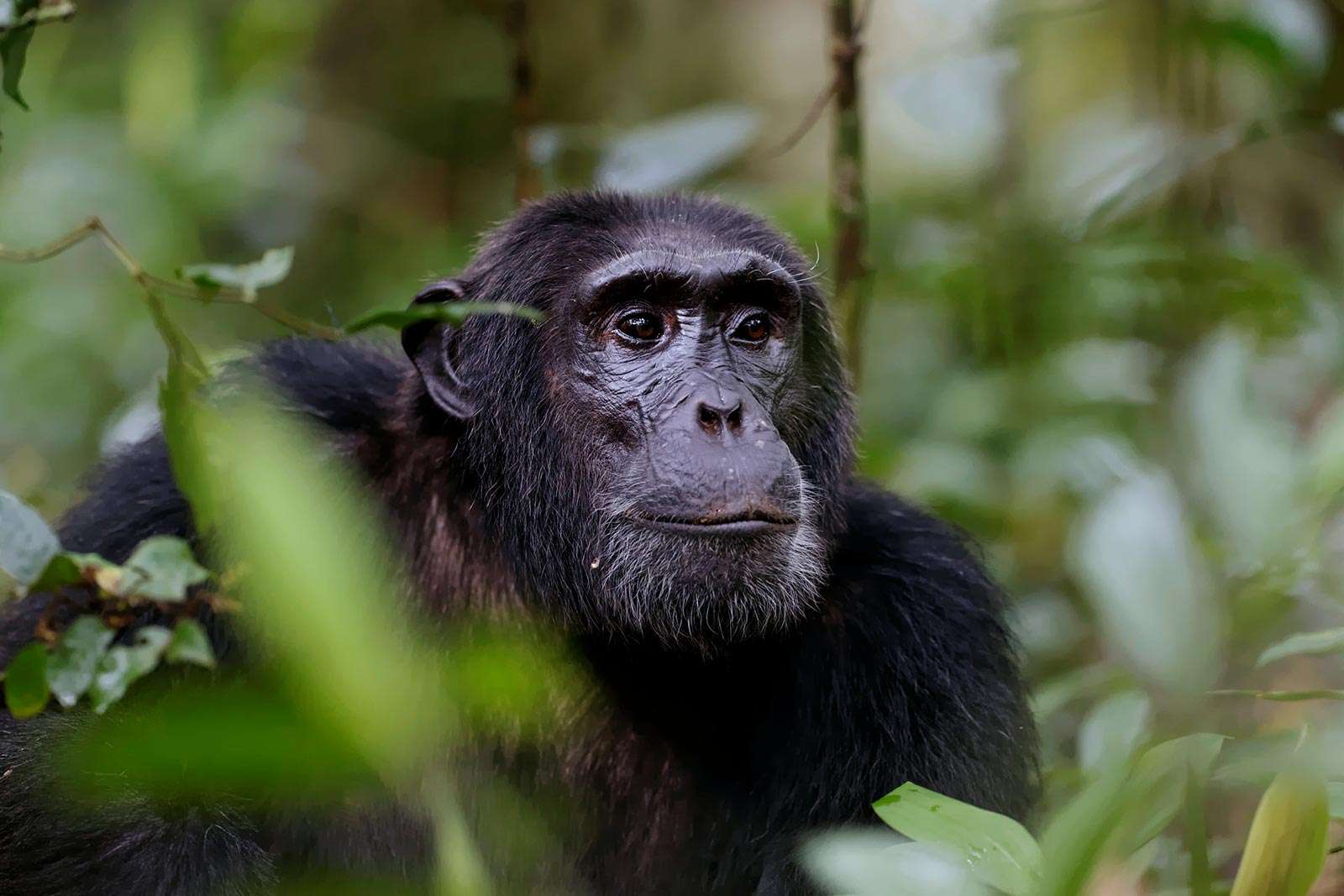
Chimpanzees are humans’ closest relatives. They share many of our traits and are the most intelligent Apes after we humans. They are known to live up to 60 years in captivity. In Rwanda, chimps can be found in three main places—Nyungwe National Park (Nyungwe and Cyamudongo forests) and Gishwati Mukura national park. Nyungwe National Park has the highest population of chimps (over 400 individuals) and other primates—13species in total.
Two chimpanzee communities have been partially habituated in Nyungwe National Park. Most of them live in Nyungwe forest (60 individuals), while the rest are found in Cyamudongo Forest (30 individuals). Other species include blue monkeys, mona monkeys, silver monkeys, owl-faced monkeys, Dent’s monkey, black-faced vervet monkeys, L’Hoest monkeys, baboons, grey-cheeked Mangabeys, Rwenzori colobus, and black and white colobus monkeys.
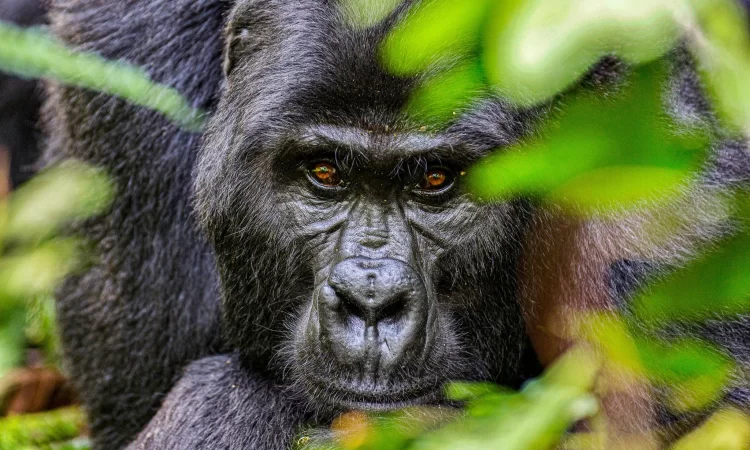
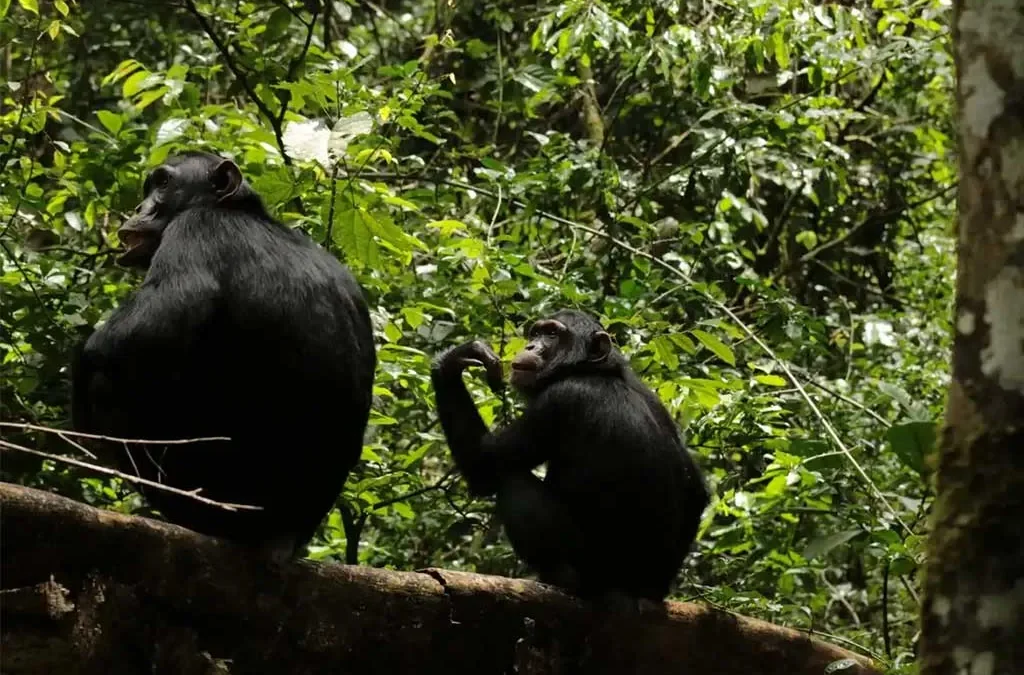
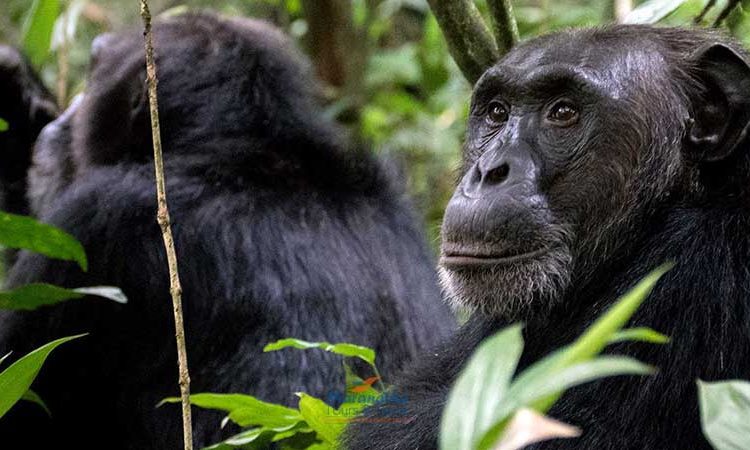
Chimpanzee trekking is different from gorilla trekking in many ways. The chimpanzees are stubborn, noisy, and very mobile. Because they are lighter, they spend a lot of their time on top of the trees, unlike mountain gorillas. Mountain gorillas are very gentle and peaceful.
They will eat quietly and interact with less provocation and drama in the group. Tracking chimpanzees requires one to be fit enough to follow the primates for long periods as they make quick movements both on the ground and on top of trees before settling down.
According to our tailored journeys to Nyungwe Forest, Chimpanzee trekking begins with a briefing at 5:00am. The briefing takes place in either Uwinka, Gisakura or Kitabi. You need to wake up as early as 4:30am so that you can eat breakfast and prepare to start the activity. As already mentioned above, the forest is large. The only way to find the chimps is to try and reach them before they head out for the day. A group of trackers goes ahead of the team to find the location of the chimps before communicating to the lead Ranger /Guide about where to find them. The trackers and rangers are well-experienced and knowledgeable about the chimp communities and where to find them.
Chimpanzee tracking in Nyungwe forest can take between 2 and 6 hours or longer. After following/chasing the chimps for a while, they may settle down and allow you to observe them more closely or take photos. While with the chimps, you will notice that they behave just like we humans. You will watch them groom each other, mate, breastfeed, play and start fights. Some members of the group are quiet, while others are more vocal. Like humans, they have their group dynamics and internal politics. Although chimps are curious about humans, they will tend to keep their distance.
As a large forest, Nyungwe presents challenges for those interested in chimpanzee tracking. The chimpanzees tend to move deep into the thick forest, reducing the chances of seeing them. It is much easier to spot the chimps in Cyamudongo forest because it is smaller and easier to cover by foot in a short time. The minimum age for chimpanzee trekking in Rwanda is 15 years. You might find this three-day safari to Kibale National Park package intriguing. We have an intriguing article about Chimpanzee Trekking in Tanzania.
Travel Tips and packing list for Chimpanzee tracking in Rwanda
The Nyungwe forest organizes chimpanzee trekking throughout the year. However, the best time for chimpanzee trekking in Nyungwe National Park is during the rainy/wet season. During this time, there is plenty of food in the forest, which limits the movement of the chimps. During the dry season, the chimps go deep in the vast forest in search of fruits, hence making it more difficult to track them. The dry season is ideal for those who are interested in the canopy and nature walks.
There is no guarantee that you will be able to see them, especially in Nyungwe forest.
Tracking the chimpanzees in Cyamudongo offers a greater chance of finding them because the forest is smaller and isolated.
The price of a Chimpanzee trekking permit is $150 per person. Additionally, a $100 park entrance fee is required. Bookings are made directly through the Rwanda Development Board or your Tour Operator. The chimpanzee permit fee includes a ranger and guide assigned to move with you and your group. You will be required to show your chimpanzee tracking permit at the park entrance just before proceeding to the beginning point.
Visitors can spend more time observing the chimpanzees, unlike with mountain gorillas, where the viewing time is strictly one hour.
Children under the age of 16 years will not be allowed to track chimpanzees.
It takes four hours of driving by road to reach Nyungwe forest from the capital, Kigali. One can also take a domestic flight from Kigali to an airstrip close to the park office.
Unlike mountain gorillas, the chimpanzees in Nyungwe forest are not fully habituated. They are not as organized as mountain gorillas. Chimpanzees don’t settle in one place and this makes for the demanding but also thrilling task of following them wherever they go. It is for this reason that sighting them is not guaranteed. However, most people who track the chimps see them eventually because of the advanced methods of tracking and the ability of the experienced Rangers to know their previous place of rest.
While planning for chimpanzee tracking in Nyungwe National Park, think about packing enough drinks, snacks, a rain jacket, good hiking shoes, a long-sleeved shirt, sun glasses and insect repellent. Please remember to move with a good camera and binoculars.