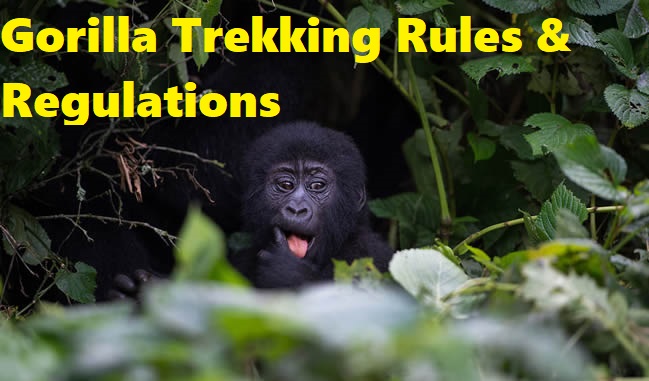
Gorilla Treking Rules and Regulations : Due to persistent poaching by people, mountain gorillas are an endangered species that nearly went extinct. However, Dian Fossey’s contributions and conservation ideas helped the gorillas survive. Certain regulations have been put in place to continue protecting the mountain gorillas’ natural environment with assistance from the Rwandan government. For your protection as well as the safety of the gorillas, everyone planning a gorilla trip must abide by the following rules:
- The minimum age requirement to trek with gorillas in Rwanda is 15 years old; anybody under that age cannot go to this activity.
- It is forbidden to feed the mountain gorillas.
- Trekkers are allotted a maximum of one hour to spend with the gorillas after finding them, during which time they can take pictures and movies and observe their behavioral patterns.
- The gorillas should be kept at least 7 to 10 meters away from you.
- Make sure to turn down your camera’s flash before shooting pictures because gorillas aren’t used to it.
- Trekking with the designated gorilla families is limited to a maximum of 8 individuals.
- Since there are no restrooms inside the national park, hikers who intend to use the restroom should dig and cover holes that are 30 cm deep.
- Leave the national park as you found it to prevent leaving trash behind.
- Avoid getting near the gorillas in any way to prevent spreading any illnesses you may have.
- If the gorillas approach you, obey the instructors’ recommendations and refrain from staring them in the eye. You should also avoid wearing sunglasses.
WHAT TO PACK FOR A GORILLA TREK SAFARI IN RWANDA?
- The packing list for gorilla trekking in Rwanda is provided below. When packing, keep in mind that you should pack light and effectively.
- For times when the weather suddenly changes, bring along some warm clothing, such as sweaters.
- Whether you are going during the dry or wet season, you must have a raincoat.
- Long-sleeved shirts and pants keep you warm, shield your skin from tree scratches, and keep insects away from your skin. Packing neutral or brown, khaki, and green outfits is a good idea. Steer clear of black, blue, and any other vividly colored clothing. Don’t forget to stay away from jeans.
- A first aid box that is completely stocked with all of the prescription medications your doctor has ordered, bandages, spirit, iodine, cotton, pain relievers for stomachaches, and other items needed to treat cuts sustained during the hike.
- Socks, gardening gloves, and gaiters are required. In addition to keeping you warm on the hike, the socks are tucked inside your pants to prevent insects from getting inside them. During the hike, your hands are shielded from tree scratches by the garden gloves and non-surgical gloves; the adjustable gaiters are primarily worn in the rainy season.

Gorilla Treking Rules and Regulations - Sturdy ankle-length boots are essential for maintaining your footing on the hike, especially in the rainy season. If possible, they should fit properly to prevent blisters and be waterproof.
- Along with them, you should bring along a sun hat, sunscreen, insect repellent, reusable water bottle, flashlight, spare batteries, camera, extra lenses, binoculars, wet wipes, biodegradable toilet paper, a scarf, sandals, and toiletries.
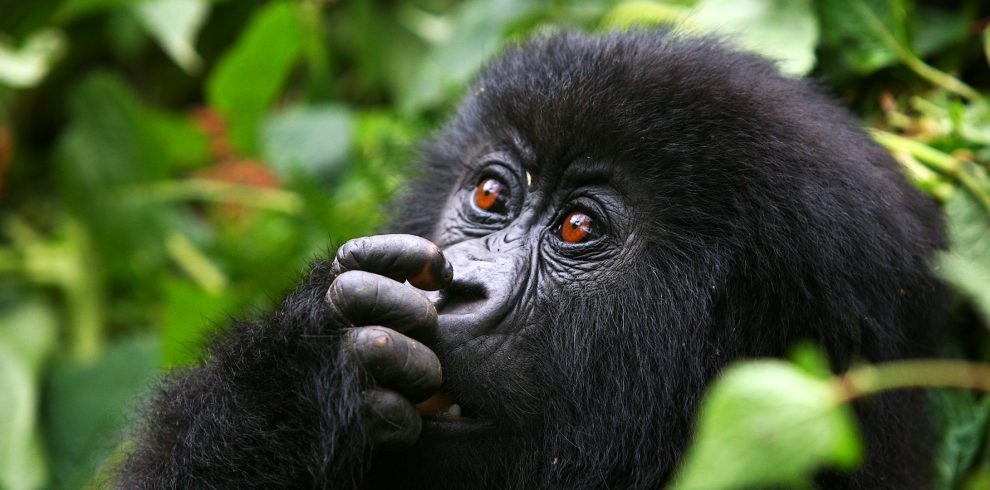
In addition to Rwanda, gorilla trekking is also conducted in Uganda and the Democratic Republic of the Congo. There are two gorilla destinations in Uganda: Bwindi Impenetrable National Park, home to half of the world’s gorilla population, and Mgahinga National Park, home to one habituated gorilla family. Virunga National Park is the location of gorilla trekking in the Democratic Republic of the Congo; however, due to ongoing conflict in the nation, trekking is not currently safe.
THE BEST TIME FOR GORILLA TREKKING IN RWANDA
In Rwanda, the months of June, July, August, September, December, January, and February are the finest times to go gorilla trekking. Because of the easy access to the trip routes and the thinning of the foliage, the dry months are seen as the best times to walk through the forest. Keep in mind that even during the dry season, rain is a real possibility in this tropical rainforest. On the other hand, if you don’t mind the rain showers and the muddy and slippery terrain, the rainy season is also a fantastic time for a gorilla hike. There are fewer people throughout the wet months of March, April, May, October, and November than during the dry season, which is the nicest thing about going gorilla trekking during these months.